Srinagar
India
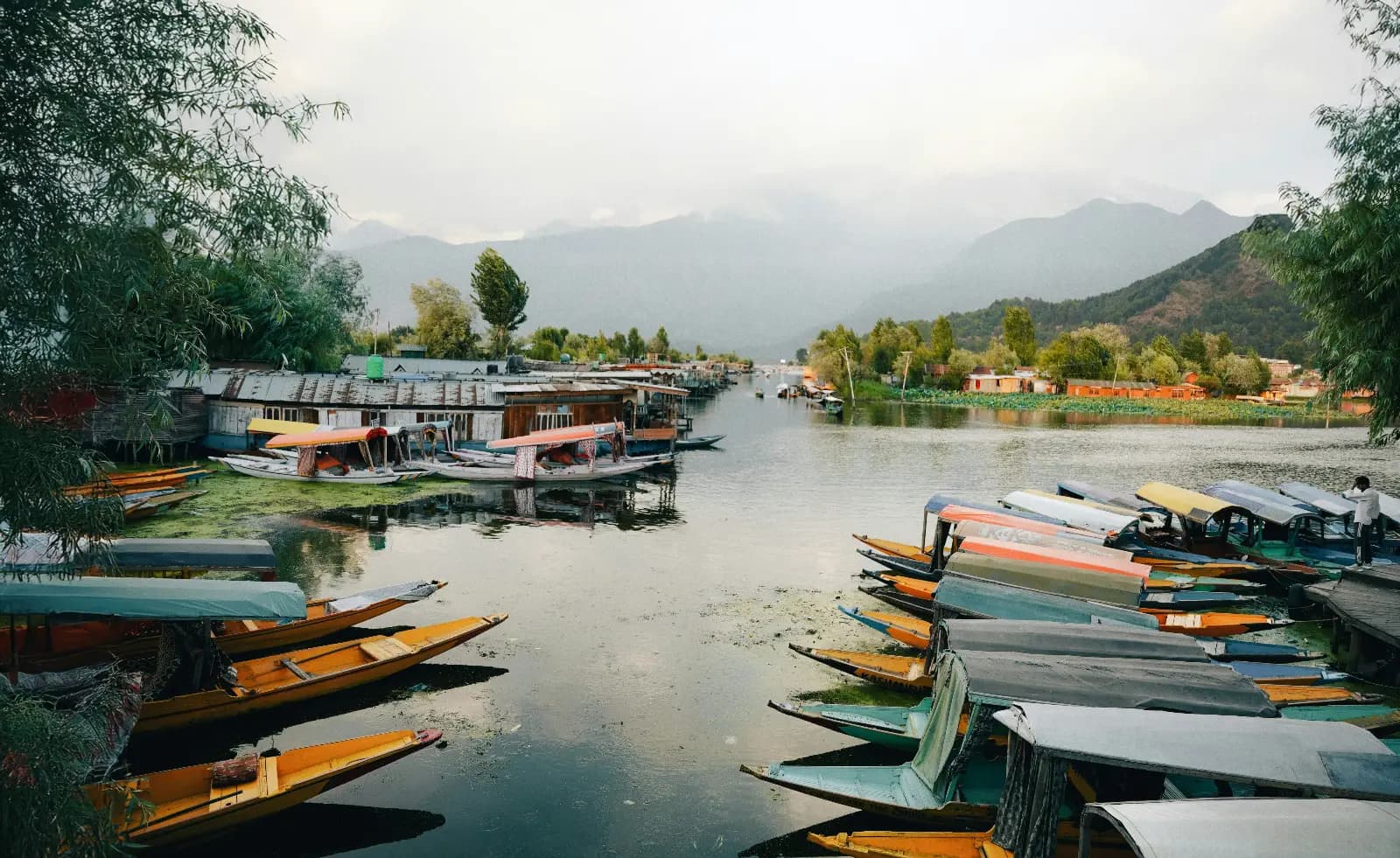
Dal Lake at dawn, wazwan at night — Kashmir's capital rewards the traveller who slows down.
Srinagar is the city that makes you forgive the journey. The airport is small and chaotic, the roads are crowded, and then you turn a corner and Dal Lake opens up in front of you w...
Photos
Top Operators


Browse by month
Upcoming trips (15)


Past trips (2)
Explore Nearby
If you like Srinagar, you might also enjoy these destinations.

Trips by Departure City
Find Srinagar trips departing from your city.
What to Expect
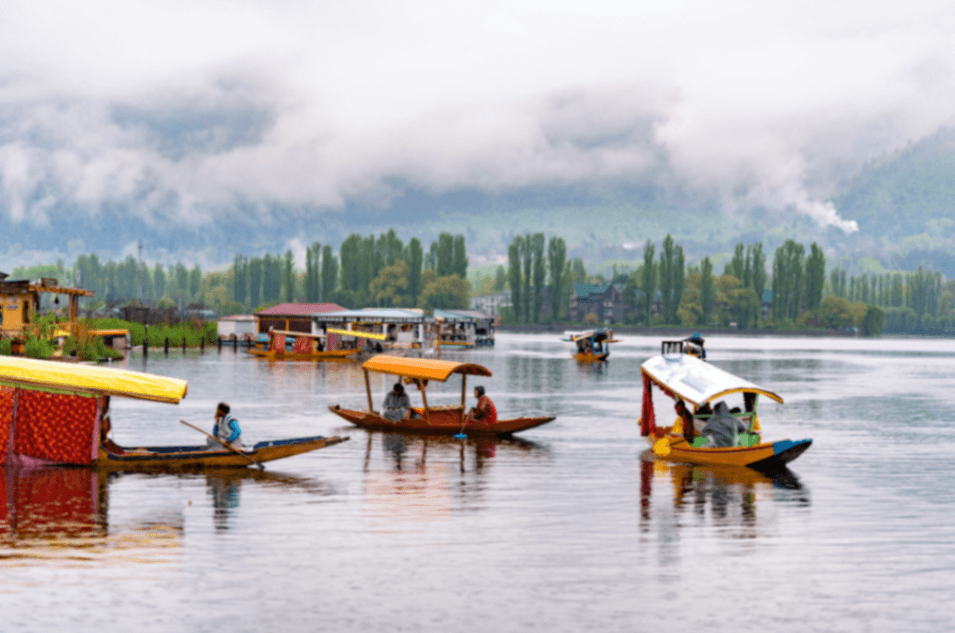
Expect a city of two halves: the tourist bubble of Dal Lake and the Mughal gardens, and the everyday Srinagar of Lal Chowk, the old town and busy bazaars. Group tours usually base you in houseboats or hotels around Dal Lake and Dalgate, which is convenient but means you'll need a cab or a walk to see the 'real' city. Days fill up fast — a shikara ride, Nishat and Shalimar gardens, Shankaracharya temple, the floating vegetable market if you're up at 5am, and a handicraft stop where you'll be politely but persistently sold pashmina. Weather is the wild card. October and November are crisp and clear; December to February is genuinely cold (sub-zero nights, houseboats with bukharis); March to May is the classic window with blossoms and pleasant days. Expect security checkpoints, ID checks at hotels, and patchy mobile internet. Expect also that Kashmiris are among the most hospitable people in India — chai will be offered, and refusing it is a small insult.
- Mobile internet in J&K can be throttled to 2G or suspended with little notice. Download offline maps and don't plan to work remotely from here.
- Security is heavy. Expect checkpoints, bag searches and ID checks. Carry your Aadhaar or passport at all times — hotels and many sites require it.
- Houseboat touts at the airport and Dalgate will claim your booked houseboat is 'closed' and offer an alternative. Insist on going to your booked property first.
- Shikara rides are negotiable and quoted prices are often per person, not per boat. Agree the total and duration in writing before boarding.
- Pashmina 'bargains' in the bazaar are frequently machine-made blends. Buy from government emporiums or established shops if authenticity matters.
Things to Do
Plan Your Trip
By air: Sheikh ul-Alam International Airport (SXR) is 14 km from the city, with direct flights from Delhi (1h 20m), Mumbai, Bengaluru, Srinagar-bound IndiGo and SpiceJet services. Fares run ₹4,000–9,000 one way depending on season. By train: Jammu Tawi is the nearest major railhead (about 270 km, 8–9 hours by road); the Banihal–Baramulla line now connects Srinagar by rail from Banihal, but most travellers fly. By road: overnight Volvo buses from Jammu (₹800–1,500, 9–10 hours) and shared cabs. The Jammu–Srinagar highway is good but subject to landslide closures in monsoon and snow closures in winter. Most group tours include airport pickup.
Local Guide
Must try: Wazwan — the ceremonial multi-course meat feast; look for a proper wazwan at a local restaurant or a wedding-style spread, Gushtaba and rista — pounded mutton meatballs in yoghurt and red gravy, the highlight of wazwan, Rogan josh — slow-cooked mutton in Kashmiri chilli and fennel, Kashmiri dum aloo — baby potatoes in a tangy yoghurt-chilli gravy, Haakh — collard greens cooked simply with garlic, an everyday staple, Nadru yakhni — lotus stem in yoghurt gravy, a Srinagar speciality, Kahwa — saffron-almond green tea; drink it everywhere, Harissa — slow-cooked mutton porridge, a winter breakfast tradition, Girda — wood-fired Kashmiri bread, best with butter and chai
Eat wazwan at lunch, not dinner — it's heavy and traditionally a daytime feast. For the best everyday food, skip the lakefront tourist restaurants and head to Lal Chowk or the old town for haakh, rajma and girda. Ask your driver where he eats; that's always the right answer.
FAQs
Is Srinagar safe for tourists right now?
Do I need a permit to visit Srinagar or the Kashmir Valley?
How many days should I spend in Srinagar?
Is the houseboat stay worth it or should I book a hotel?
What is there to do in Srinagar in winter when it's freezing?
How much does a Srinagar group tour cost?
Is Srinagar safe for solo women travellers?
Can I drink alcohol in Srinagar?
What should I buy in Srinagar and how do I avoid getting ripped off?
Will my phone and internet work in Srinagar?
Group Trips to Srinagar
A group trip to Srinagar is the most practical way for young Indian travellers to see Kashmir without the planning headache. Group tours to Srinagar start from around ₹6,500 per person for three nights, usually bundling a Dal Lake houseboat stay, a hotel night or two, airport transfers and day excursions to Gulmarg and Pahalgam. That price point is why Srinagar group packages have become a first-Kashmir choice for travellers in their twenties and thirties — you get the shikara ride at dawn, the Mughal gardens, the old town walk and a proper wazwan lunch without negotiating each element yourself. The best time to visit Srinagar is October, when the chinars turn amber and the light is extraordinary, followed by April for the tulip garden. Srinagar tour packages in November and December are the cheapest of the year, though you'll need serious winter layers and a houseboat with reliable heating. Most group itineraries run three to five nights and use Srinagar as a base for Gulmarg, Pahalgam and Sonamarg day trips. Book Srinagar group tours through an aggregator that lists the actual houseboat name, group size and what's excluded — the inclusions matter more here than almost anywhere else in India.
Destination data helps you shortlist trips quickly. Refreshed periodically.