Jalori
India
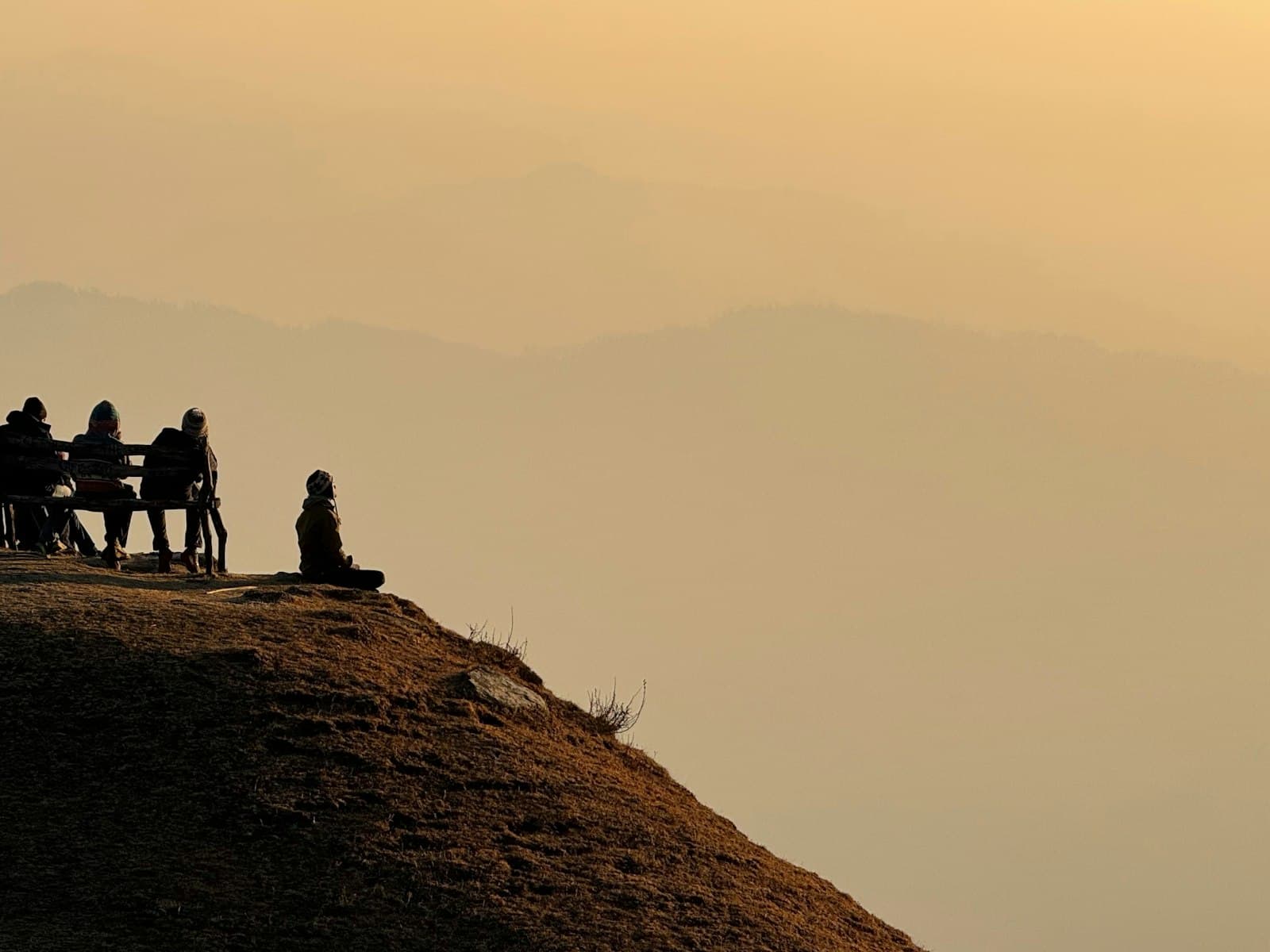
A high pass where the road ends, the pines take over, and your group finally stops talking about work.
Jalori is less a town and more a high mountain pass — the Jalori Jot at 3,120m on the old Kullu-Shoja road, connecting the Banjar/Inner Seraj valley to the Great Himalayan National...
Photos
Top Operators
Upcoming trips
Past trips (1)
Explore Nearby
If you like Jalori, you might also enjoy these destinations.




Trips by Departure City
Find Jalori trips departing from your city.
What to Expect
Expect cold nights even in summer, thin air above 3,000m, and roads that are genuinely narrow and occasionally unnerving. Homestays are basic but warm — think quilts, rajma-chawal, and a bukhari (wood stove) rather than room service. Most group tours run a van or Tempo Traveller up from Delhi overnight, so you arrive tired. Days are spent on short hikes, waterfall visits, village walks, and long lunches. Internet is patchy to nonexistent in Jibhi and Shoja; Airtel and Jio work near Banjar but die higher up. There's no nightlife, no clubs, no fancy cafés beyond a handful of backpacker spots in Jibhi. The point is the forest, the silence, and the company you came with.
- The Jalori Pass road is single-lane, unpaved in stretches, and closed or risky during heavy snow (roughly Dec-Feb) and monsoon landslides (Jul-Aug). Do not book a tour that promises the pass crossing in January without confirming the vehicle and route.
- Altitude at the pass is 3,120m — if you've come straight from Delhi overnight, you may feel breathless on the Serolsar Lake walk. Take it slow.
- Homestays in Jibhi and Shoja are basic. Expect shared bathrooms in budget properties, limited hot water, and power cuts. This is not a resort destination.
- Mobile and data connectivity is unreliable. Download offline maps and carry cash — ATMs are scarce and often empty beyond Banjar.
- Monsoon brings leeches on forest trails and landslide risk on the highway. Tour operators sometimes run trips anyway; ask about their contingency plan.
Things to Do
Plan Your Trip
Most group tours start from Delhi (10-12 hours overnight by Tempo Traveller) or Chandigarh (7-8 hours). By public transport: take a bus or train to Aut on the Mandi-Kullu highway, then a local bus or shared taxi to Banjar (about 1 hour), then onward to Jibhi or Shoja. The nearest airport is Bhuntar (Kullu), about 2 hours from Banjar; the nearest railway is Joginder Nagar, roughly 3 hours away. From Banjar, the Jalori Pass road climbs about 20km — narrow, winding, and slow.
Local Guide
Must try: Siddu (steamed wheat bread stuffed with walnut or poppy paste) — the signature Seraj dish, best in winter, Rajma-chawal with local kidney beans, slow-cooked, Kadhi and rice, a Himachali staple, Babru (fried lentil-stuffed bread), Local trout, grilled or fried, in Tirthan, Apple and plum-based desserts in season
Eat what the homestay serves — it's fresher and better than the handful of cafés. In Jibhi, the backpacker cafés do decent wood-fired pizza and coffee, but don't expect them to be open on time or at all in the off-season. Carry snacks for the pass; there's almost nothing up there.
FAQs
Is Jalori Pass worth it or should I just stay in Jibhi?
How difficult is the Serolsar Lake trek?
Is there mobile network in Jibhi and Shoja?
Are there ATMs near Jalori?
Can I do Jalori with my family or is it only for backpackers?
What's the deal with group tours at ₹6,500?
Is Jalori safe for solo female travelers?
Do I need permits for Jalori or the Great Himalayan National Park side?
What should I pack that people always forget?
Is alcohol available in Jibhi and Shoja?
Group Trips to Jalori
Jalori Pass sits at 3,120 metres in Himachal Pradesh's Kullu district, and while it's often marketed as a standalone destination, the real experience of a Jalori group trip is the villages around it — Jibhi, Shoja, Banjar, and the Tirthan and Sainj valleys that spill toward the Great Himalayan National Park. Group tours to Jalori typically run 3-5 days from Delhi or Chandigarh, starting around ₹6,500 per person for shared transport, basic homestays, and guided walks. The headline activity is the Serolsar Lake trek from the pass, a 10km round trip through deodar forest that's manageable for most fitness levels. Beyond that, Jalori tourism is about slow days — waterfall visits, village walks, orchard lunches, and nights so quiet you'll hear your own thoughts. The road to Jalori Pass is narrow and closes in winter snow and monsoon landslides, so April to June and September to October are the reliable windows, with October being the standout month. Connectivity is poor, ATMs are scarce, and homestays are simple — this is not a luxury destination. But for Indian travelers in their twenties and thirties looking for an honest, affordable mountain escape with a small group, Jalori and its surrounding valleys deliver exactly what they promise: forest, altitude, and a proper break from the city.
Destination data helps you shortlist trips quickly. Refreshed periodically.