Chicham
India
Asia's highest suspension bridge, and a village that feels like the edge of the map.
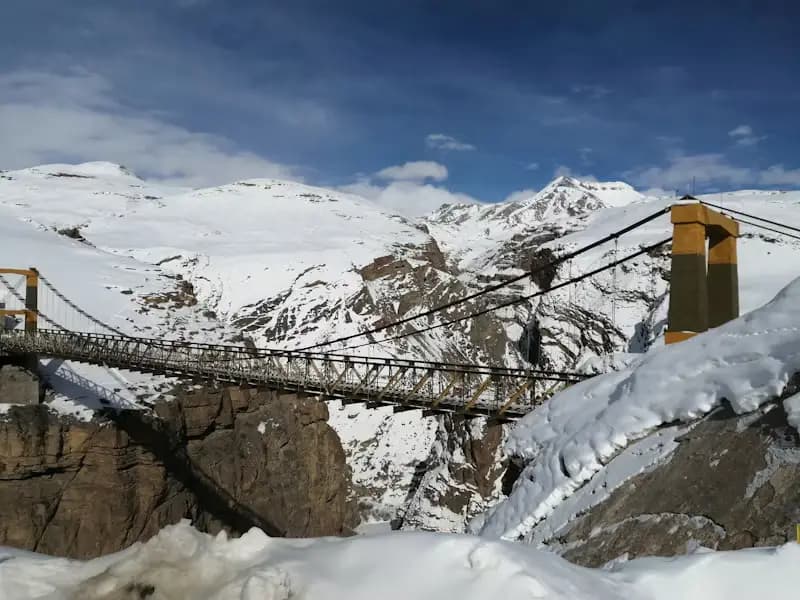
Chicham is a tiny, wind-scoured village in the Spiti Valley at roughly 4,200 metres, and the reason people know its name is the Chicham Bridge — Asia's highest suspension bridge, s...
Photos
Top Operators

Browse by month
Upcoming trips (1)
Explore Nearby
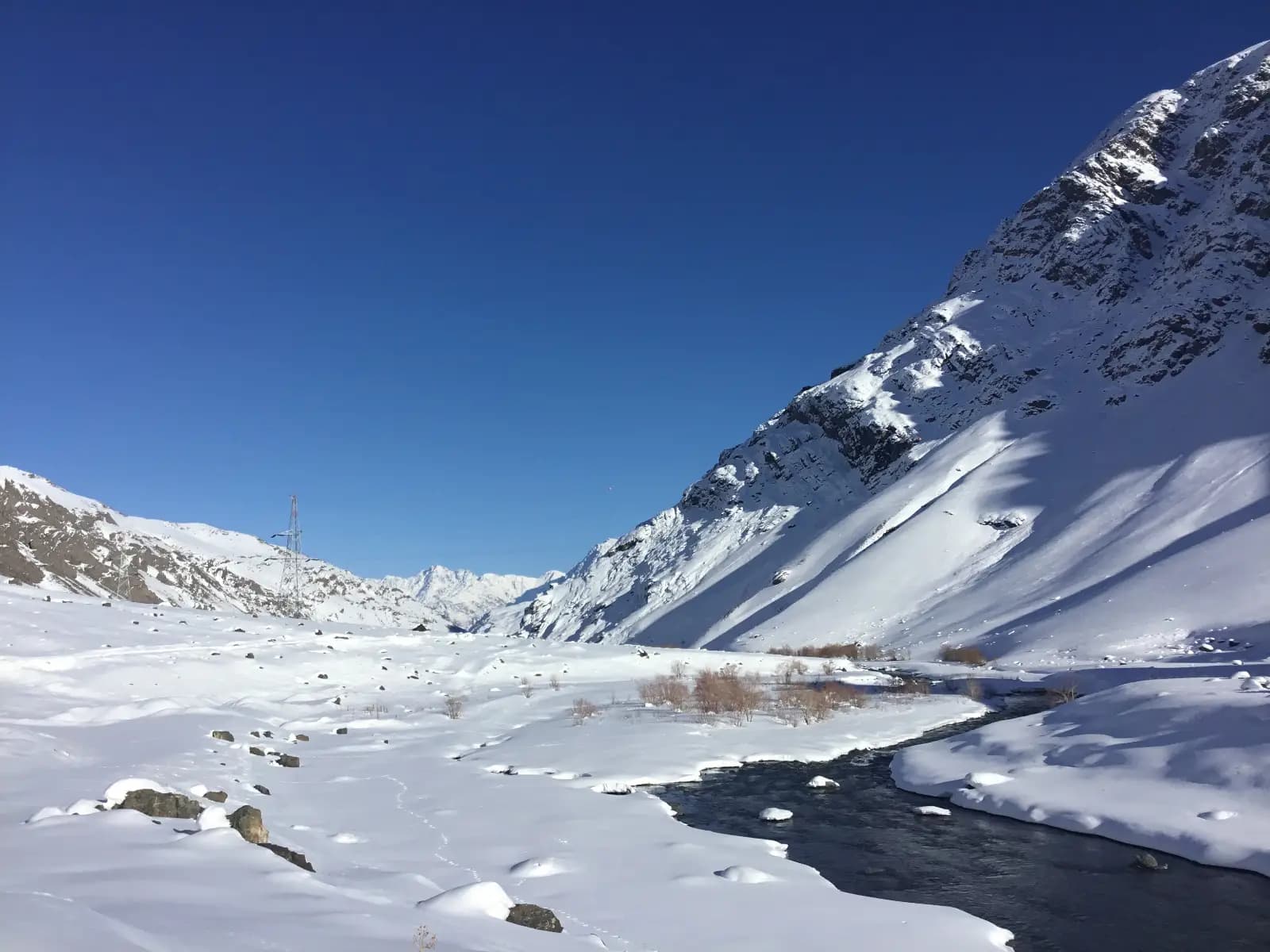
If you like Chicham, you might also enjoy these destinations.


Trips by Departure City
Find Chicham trips departing from your city.
What to Expect
Expect brutal beauty and very basic infrastructure. The air is thin at 4,200m — walking 100 metres uphill will leave you puffing. Homestays are simple: a room, a blanket, dal-chawal, maybe a bukhari (wood stove) in winter. Electricity is erratic, water is limited, and mobile signal is patchy (Jio works in patches, Airtel less so). The bridge is the star — a steel-girder suspension span over the Parilungbo gorge, and the photo you've seen on Instagram is real. The drive from Kaza via Key and Kibber is itself the attraction: switchbacks, snow-capped peaks, and the odd herd of blue sheep. Don't expect a 'town' — there are maybe 30-40 households.
- Altitude is serious here — 4,200m. If you've flown or driven up from Shimla/Manali quickly, you may get AMS. Acclimatise in Kaza for a day first.
- Homestays are basic. Don't expect hot showers, reliable Wi-Fi, or room service. Carry cash — there are no ATMs in Chicham.
- The bridge is a road bridge, not a tourist attraction with railings and safety barriers. Don't do risky poses on the edge.
- Winter (Dec–Feb) temperatures drop to -20°C and below. Many homestays shut. Confirm heating before booking.
- Roads from Kaza to Chicham can be blocked by snow or landslides even in shoulder months. Build buffer days.
Things to Do
Plan Your Trip
Fly to Bhuntar (Kullu) or Chandigarh, then drive. The classic route is Shimla → Narkanda → Nako → Tabo → Kaza (2 days) or Manali → Kunzum Pass → Kaza (1 long day, only when Kunzum is open, roughly June-October). From Kaza, Chicham is about 12 km via Key and Kibber — a 45-minute drive on a mix of tarmac and rough road, crossing the Chicham Bridge. Group tours usually include this loop. In winter, access is from Kaza only, via the bridge, in a 4x4.
Local Guide
Must try: Thukpa (noodle soup) — the Spiti staple, Momos, steamed or fried, Skyu (hand-pressed pasta stew), Butter tea (po cha) — an acquired taste, try it once, Chhurpi (dried cheese), Barley-based dishes and tsampa
Eat at your homestay — meals are included in most packages and freshly cooked. Carry dry snacks (nuts, biscuits, energy bars) for the drive, since food stops between Kaza and Chicham are limited.
FAQs
Is Chicham Bridge really the highest in Asia?
Can I visit Chicham as a day trip from Kaza?
Do I need a permit for Chicham?
Is there mobile network in Chicham?
How cold does it get in winter?
Are there ATMs or shops in Chicham?
Is altitude sickness a real risk?
Can I stay overnight in Chicham or should I return to Kaza?
What is the Chicham Bridge story about the village being cut off?
Is Chicham suitable for families or older travellers?
Group Trips to Chicham
Chicham is the kind of place that ends up as the photo on your lock screen. A tiny Spiti village at 4,200 metres, it's home to the Chicham Bridge — widely billed as Asia's highest suspension bridge — strung across a gorge so deep it makes your stomach drop. Group trips to Chicham usually run as part of a larger Spiti Valley circuit, looping from Kaza through Key Monastery and Kibber before crossing the bridge and heading back. If you're searching for Chicham group tour packages, expect a mix of road trip, high-altitude sightseeing, and basic but warm homestay hospitality. Prices for Spiti group tours including Chicham start around ₹35,999 and typically cover transport, stays, and most meals. The best months are June to September, with September being the sweet spot for clear skies and manageable crowds; winter trips (November to February) are for the brave and the properly equipped, when the bridge becomes the village's only lifeline. Chicham isn't a place for luxury or nightlife — it's for travellers who want raw Himalayan landscape, thin air, and the feeling of standing somewhere genuinely far from everything. Come acclimatised, carry cash, and leave your expectations of comfort behind.
Destination data helps you shortlist trips quickly. Refreshed periodically.