Rishikesh Trip (2026): Rafting, Camping and How to Plan a Group Getaway
Plan a Rishikesh trip in 2026 with real info on rafting stretches, camping spots, costs and the best months to go.
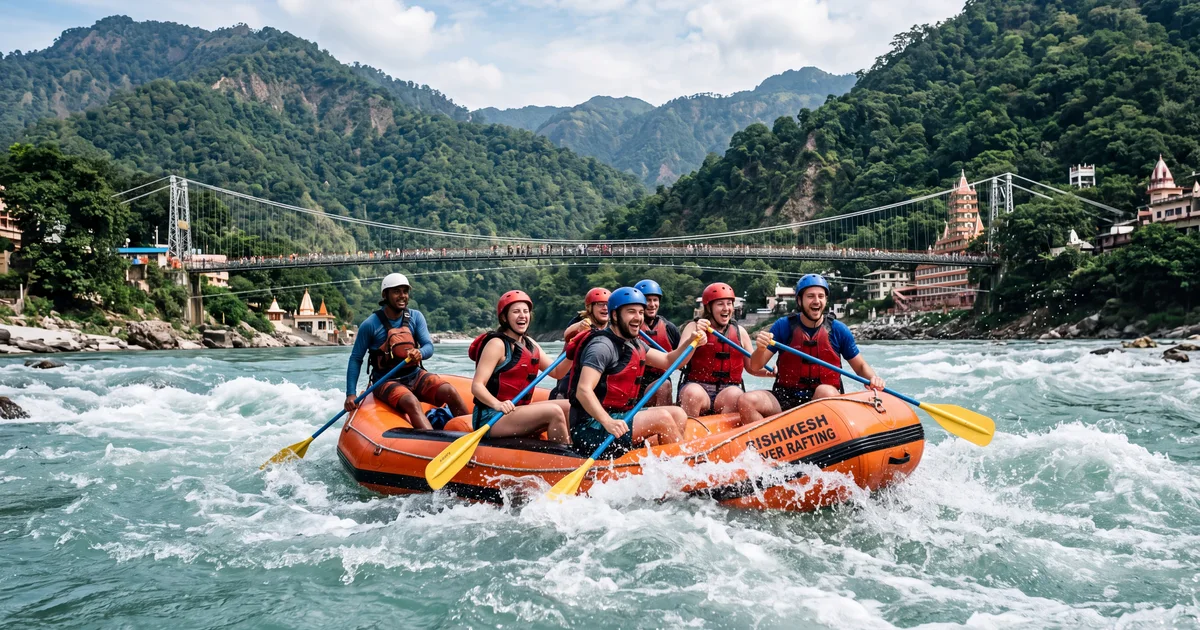
A Rishikesh trip fits into a single weekend from Delhi. That alone makes it one of the most popular short getaways in north India, especially for groups of friends looking to combine rafting, cliff jumping, and sleeping outdoors without burning annual leave.
But the sheer number of "Rishikesh packages" online makes it hard to figure out what is actually worth the money. Some operators charge 6,000 rupees for a glorified bus ride and a damp tent. Others deliver a genuine 16 km paddle down the Ganges with proper safety kayakers and a riverside camp that does not smell like diesel. The gap is huge.
This is what you need to know to plan it right, whether you are going with a group operator or stitching it together yourself.
TL;DR
- Best months: September to November and February to May. Monsoon shuts rafting entirely.
- Budget: 3,500 to 6,000 per person for a 2 day group trip from Delhi including transport, camping, and rafting.
- Rafting stretches: Brahmapuri (9 km, beginners), Shivpuri (16 km, intermediate), Marine Drive (24 km, full day).
- Getting there: 240 km from Delhi, 5 to 6 hours by road. Haridwar is the nearest rail link.
- Book 2 weeks ahead for October and November weekends. Camps fill fast once temperatures drop in Delhi.
Why Do Groups Keep Picking Rishikesh Over Everything Else?
Three reasons. It is close to Delhi. It has actual adventure activities, not just sightseeing. And you do not need prior fitness or experience to raft the beginner stretches.
Most groups travel on a Friday night, arrive by early Saturday morning, raft the same day, camp overnight, and return by Sunday evening. That two day window covers more ground than most three day trips elsewhere. The town is also compact enough that you can walk from a campsite on Shivpuri Road to a cafe in Tapovan within 15 minutes.
The honest caveat: Rishikesh gets crowded between October and December. If your group has more than 8 people and you want a private campsite, book at least 3 weeks ahead during that window. January and February are quieter, but mornings are cold (below 10°C along the river) and you will need layers.
Which Rafting Stretch Should You Pick?
Not all 36 km of raftable Ganges are the same. The rapids, time commitment, and fitness required change sharply depending on where you start.
Brahmapuri to Rishikesh (9 km). Grade I to II rapids. Takes about 90 minutes on the water. This is where first timers, families, and groups with mixed fitness levels should start. The rapids have names like Three Blind Mice and Crossfire, but they are playful splashes, not serious whitewater.
Shivpuri to Rishikesh (16 km). Grade III to IV. Takes 3 to 4 hours. This is the most popular stretch for groups of friends. Roller Coaster, Golf Course, and Club House are the big rapids here. You will get flipped at least once if the water is high (September and October). A safety kayaker follows each raft.
Marine Drive to Rishikesh (24 km). Grade III to IV with a longer paddle. Full day commitment (5 to 6 hours on water). Includes everything the Shivpuri stretch has, plus the Daniel Dip and Return to Sender rapids upstream. Only worth it if your group genuinely wants a full day on the river rather than rushing back.
My opinion: the 16 km Shivpuri stretch hits the sweet spot for most groups. You get enough rapids to feel the adrenaline, enough calm stretches to swim and cliff jump, and you are done by early afternoon, leaving time for the campsite bonfire.
How Much Does a Rishikesh Trip Actually Cost?
Costs vary wildly depending on whether you join a fixed departure group trip or go solo. Here is what you are really looking at in 2026:
A group trip from Delhi that includes Friday night transport (Volvo bus or tempo traveller), one night at a riverside camp, the 16 km raft, meals, and return transport costs 3,500 to 6,000 per person. The range depends on camp quality, group size, and whether the raft is shared or private.
Going independently is cheaper on paper: a state bus to Haridwar is under 500 rupees, shared autos to Rishikesh cost 30 to 50, and you can book a raft slot on the spot for 1,000 to 1,800. But you lose the coordination, and finding a decent campsite on arrival during peak season is a gamble.
One real cost trap: some operators quote "starting from 2,999" and then add separate charges for the raft, meals, and bonfire. Ask explicitly what is included before you transfer money. On TripzSearch, every listing shows the full price and what it covers, so you can compare without surprises.
What Is the Best Time to Visit Rishikesh?
The answer depends on what you want to do.
September to November. Post monsoon. The Ganges runs strong, rapids are at their best, and the weather is warm during the day (28 to 32°C) with cool nights. This is peak rafting season. Water is slightly murky from monsoon sediment in early September but clears up by mid October. Crowds peak during Dussehra and Diwali weekends.
February to May. The river is calmer, the water turns a clear blue green, and daytime temperatures climb to 35°C by April. Rafting is open but rapids are tamer (Grade II to III on the Shivpuri stretch). Best for groups that want rafting plus bungee, plus an afternoon at the Beatles Ashram without sweating through their shirts.
December to January. Cold. Morning temperatures along the river hit 5 to 8°C. Rafting is technically open, but very few people want to get wet at 7 AM in January. Camping requires serious layering. That said, the town is quiet and hotel prices drop by 30 to 40 percent.
June to mid September. Monsoon. All commercial rafting is shut by the Uttarakhand government. The river floods, roads sometimes close, and landslides on the Delhi Rishikesh highway are not unusual. Skip this window entirely unless you are going only for yoga retreats in town.
How to Get to Rishikesh from Delhi (and Other Cities)
Rishikesh is 240 km from Delhi by the Haridwar expressway route. Most group operators run overnight buses departing from Kashmere Gate ISBT or Majnu ka Tilla around 10 to 11 PM on Friday and reaching Shivpuri by 4 to 5 AM Saturday.
If you are driving, the NH58 route through Muzaffarnagar and Roorkee takes 5 to 6 hours without stops. Toll costs add up to about 600 to 700 rupees one way.
From Bangalore, the most practical option is a flight to Dehradun (Jolly Grant Airport, 35 km from Rishikesh) followed by a taxi or shared cab. Direct flights on IndiGo and Air India take about 2.5 hours. Budget around 4,000 to 7,000 one way depending on how early you book.
The nearest major railway station is Haridwar Junction (20 km from Rishikesh), served by multiple Shatabdi and Jan Shatabdi trains from Delhi. A shared auto from Haridwar to Rishikesh costs 30 to 50 rupees per person.
What to Do in Rishikesh Beyond Rafting
Rafting is the headliner, but most groups that stay two nights find themselves filling time with these:
Cliff jumping at Shivpuri. Several spots along the rafting route have 20 to 30 foot cliffs where your guide will stop and let you jump. This is usually included in the raft booking. No extra charge.
Bungee jumping at Jumpin Heights. India's highest commercial bungee at 83 metres, run by a New Zealand trained crew. Costs around 3,550 rupees per jump (2026 prices, check current rates on /trips). Slots book out on weekends, so reserve online 3 to 4 days ahead.
The Beatles Ashram (Maharishi Mahesh Yogi Ashram). Entry is 150 rupees for Indians. Worth an hour for the graffiti covered meditation halls and the river views from the upper floors. Gets photogenic in late afternoon light.
Neer Garh Waterfall. A 2 km walk from Laxman Jhula. Small entry fee, shallow pool at the base. Good for a quick dip on a hot afternoon but not worth a special trip.
Yoga and cafes in Tapovan. If your group has even one person interested in yoga, Tapovan is the neighbourhood to stay in. Studios offer drop in classes for 300 to 500 rupees. The cafes here serve proper filter coffee and Israeli food, which makes the mornings pleasant.
How Do You Pick a Rishikesh Group Trip Operator?
The market is crowded and unregulated. Hundreds of operators list on Instagram and Google, and the quality gap between the best and worst is enormous. Here is what to look for:
Safety gear that is actually CE certified. Ask for photos of the helmets and life jackets. If they look sun bleached and cracked, walk away.
A stated guide to raft ratio. Good operators put one trained guide per raft of 6 to 8 people, plus a safety kayaker following behind. If the listing says "up to 12 per raft," the experience will be cramped and under supervised.
Campsite location. Camps directly on the Ganga bank (Shivpuri, Byasi) are the ones worth paying extra for. Camps "near Rishikesh" that are actually 8 km inland on a random farm road are not the same experience.
Cancellation and refund policy. Post monsoon trips sometimes get cancelled due to sudden water level rises. A good operator refunds or reschedules without eating your money.
Browse verified group trips to Rishikesh with real operator names, itineraries, and reviews on TripzSearch. No aggregated reviews from unknown sources, just actual trip pages you can verify.
Camping in Rishikesh: What to Expect
Most group trips include one night at a riverside camp. The standard experience looks like this: you arrive by early morning, raft during the day, return to camp for lunch, then have free time until the bonfire starts around 7 PM. Dinner is served by 9, and most camps enforce quiet hours by 11.
Camp quality varies. The better camps provide Swiss cottage tents (semi permanent canvas structures with proper beds), attached washrooms, and a designated bonfire area with seating. Budget camps offer dome tents on the ground with shared toilets.
Things most camps include: all meals (usually vegetarian, with an option to add non veg for extra), bonfire, music (sometimes a live guitar session), and basic first aid. Things they do not include: personal snacks, alcohol (most camps ban it openly but enforcement varies), and towels.
One reality check: camping along the Ganges sounds romantic, but the mosquitoes between September and November are aggressive. Carry repellent. And if you are a light sleeper, the sound of the river is constant and loud. Some people love it. Others find it impossible to sleep through.
A Sample 2 Day Rishikesh Itinerary from Delhi
Friday night. Board the bus at Kashmere Gate (10 PM). Sleep on the road.
Saturday, 5 AM. Arrive at camp near Shivpuri. Freshen up, tea and breakfast.
Saturday, 9 AM. Start the 16 km raft from Shivpuri. Cliff jumping stops along the way. Reach the endpoint by 12:30 to 1 PM.
Saturday afternoon. Free time. Walk to Laxman Jhula (3 km), visit the Beatles Ashram, or just nap at camp.
Saturday evening. Bonfire, dinner, music. Lights out by 11.
Sunday, 7 AM. Breakfast and check out. Optional: bungee jump at Jumpin Heights (book a slot for 8 AM to avoid queues).
Sunday, 12 PM. Board the return bus. Reach Delhi by 6 to 7 PM.
This is what most 2 day group trips follow, give or take an hour. If you want a third day, add a trip to Neer Garh waterfall and a morning yoga session in Tapovan.
Is Rishikesh Worth It, or Is It Overhyped?
Honest answer: it depends on your expectations. If you want genuine wilderness solitude, Rishikesh is not it. The town is touristy, the camps play Bollywood remixes at night, and you will share the river with 15 other rafts on a busy Saturday.
But if what you want is an accessible, affordable, one weekend adventure with friends that involves actual physical activity and not just another hotel stay, Rishikesh still delivers. The rafting is real whitewater. The cliff jumps are genuinely scary the first time. And sleeping next to a river under open sky with your group is a different kind of experience than any hotel can offer.
For groups coming from Delhi, it remains the easiest high value weekend trip available. Nothing else within 6 hours gives you this combination of adventure, campsite, and river. For those coming from further away (Bangalore, Mumbai), pair it with a visit to Haridwar or Mussoorie to justify the flight.
Compare options and find group trips to Rishikesh with transparent pricing on TripzSearch.
Frequently asked questions
- What is the best time to visit Rishikesh for rafting?
- September to November and February to May are the best windows. The Ganges runs at moderate levels with rapids graded III to IV on the Shivpuri stretch. Rafting shuts down during the monsoon from mid June to mid September when water levels make the rapids too unpredictable.
- How much does a Rishikesh trip cost from Delhi?
- A weekend trip covering transport, one night camping, and a 16 km rafting run typically costs between 3,500 and 6,000 rupees per person with a group operator. Self planned trips can go lower, but you lose the pre booked campsite and safety gear logistics.
- Is Rishikesh safe for solo travellers and women?
- The Tapovan and Laxman Jhula areas are well lit and frequented by backpackers year round. Organised group trips add a layer of convenience because logistics, campsites, and guides are pre vetted. Check operator reviews and group size caps before booking.
- Can beginners do rafting in Rishikesh?
- Yes. The Brahmapuri to Rishikesh stretch (9 km) has Grade I and II rapids and is designed for first timers. No swimming skill is required since you wear a life jacket, but you should be comfortable being in water. The longer Shivpuri and Marine Drive stretches are grade III to IV.
- What should I pack for a Rishikesh camping trip?
- Carry quick dry clothes, a headlamp, sunscreen, a refillable water bottle, and personal medications. Camps provide tents, sleeping bags, and meals. From November to February, pack a fleece or light jacket because nights along the river drop to 8 to 10 degrees Celsius.
- How far is Rishikesh from Delhi and how do I get there?
- Rishikesh is roughly 240 km from Delhi, about 5 to 6 hours by road via Haridwar. Most group trips run Volvo or tempo traveller buses overnight from Kashmere Gate ISBT. The nearest railway station is Haridwar (20 km), and Jolly Grant airport in Dehradun is 35 km away.