Skip to content
Rishikesh

Rishikesh

India

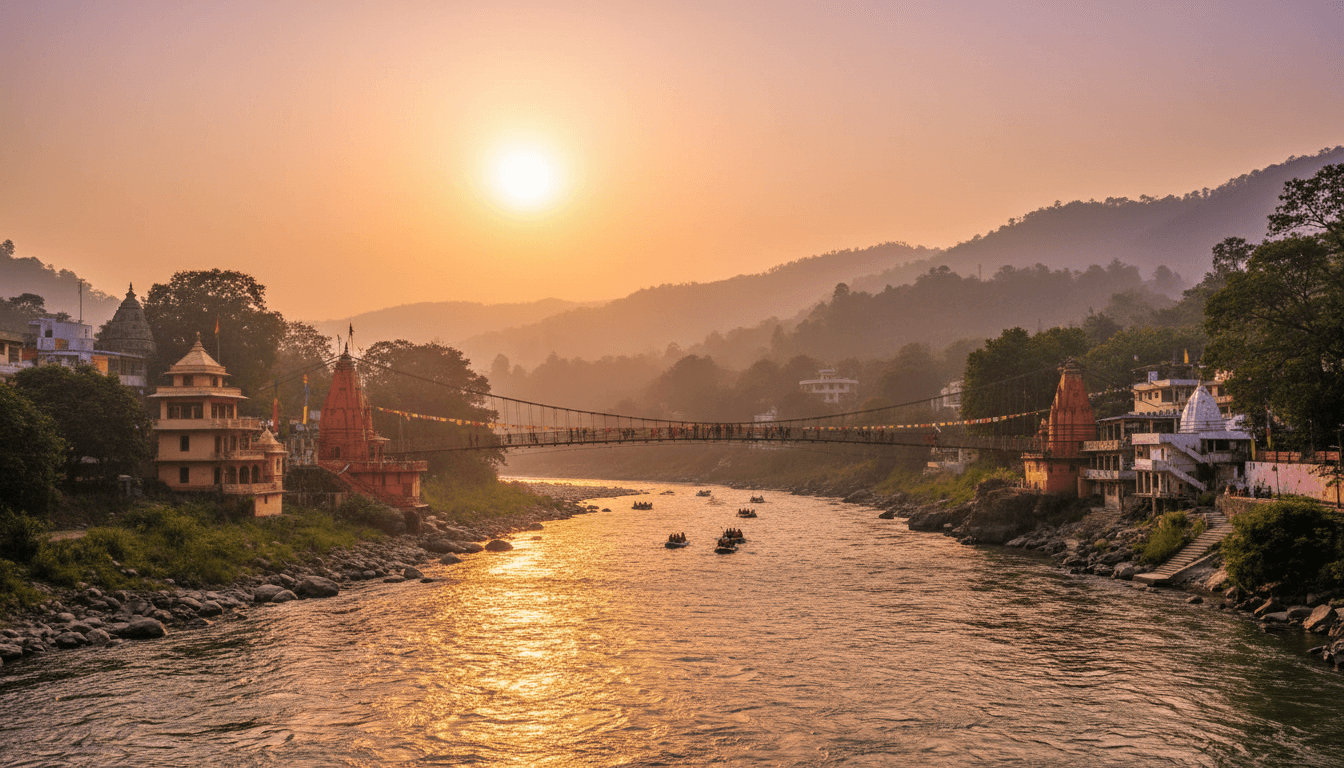
Raft in the morning, aarti at dusk — the Ganges does both.

15 Group Tours·11 Operators·from ₹1,499

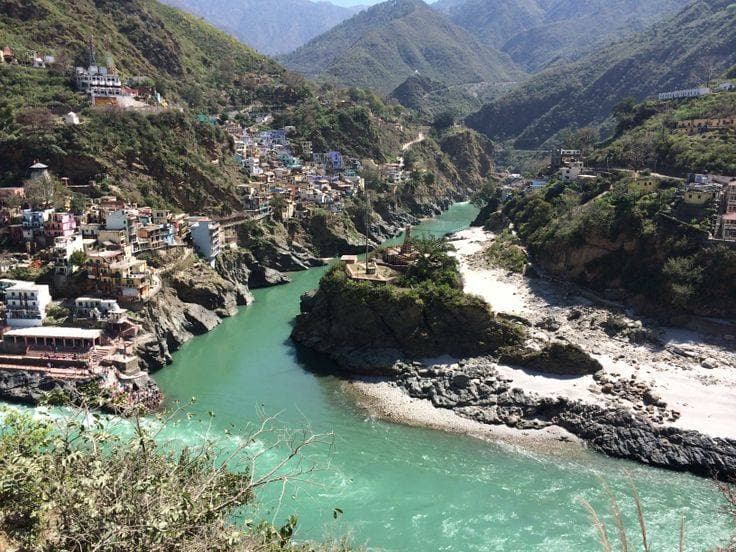
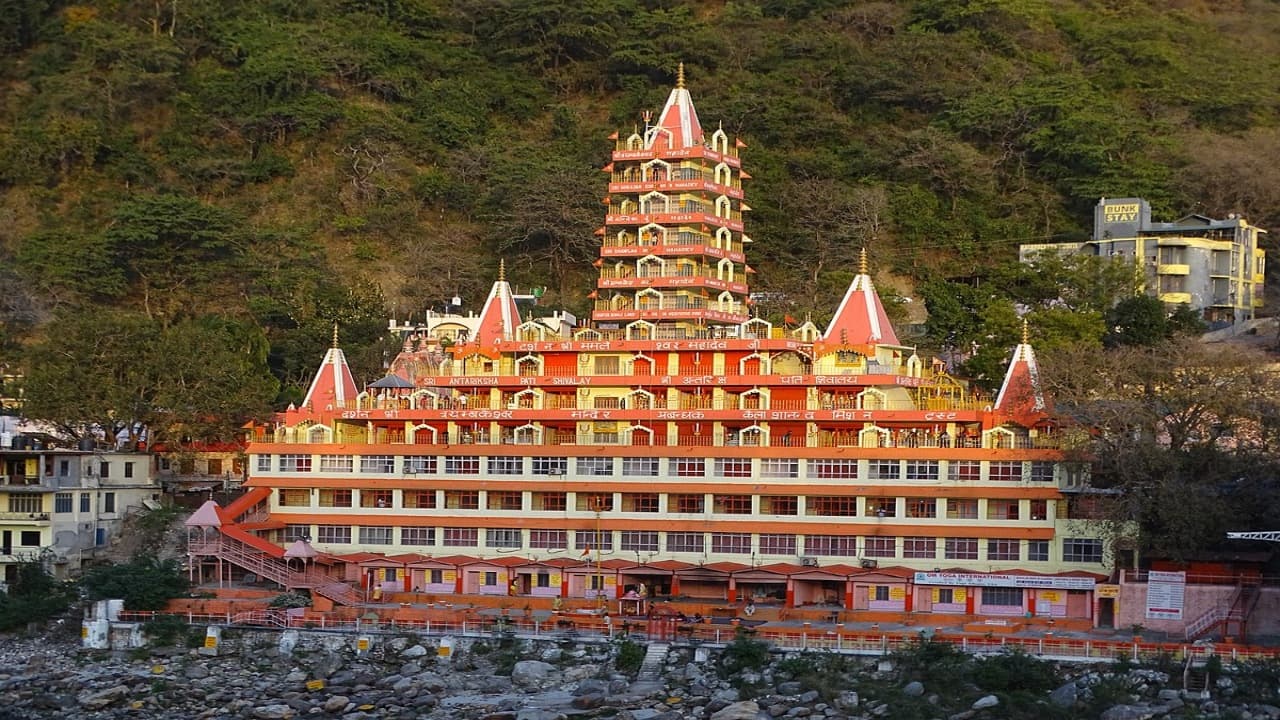
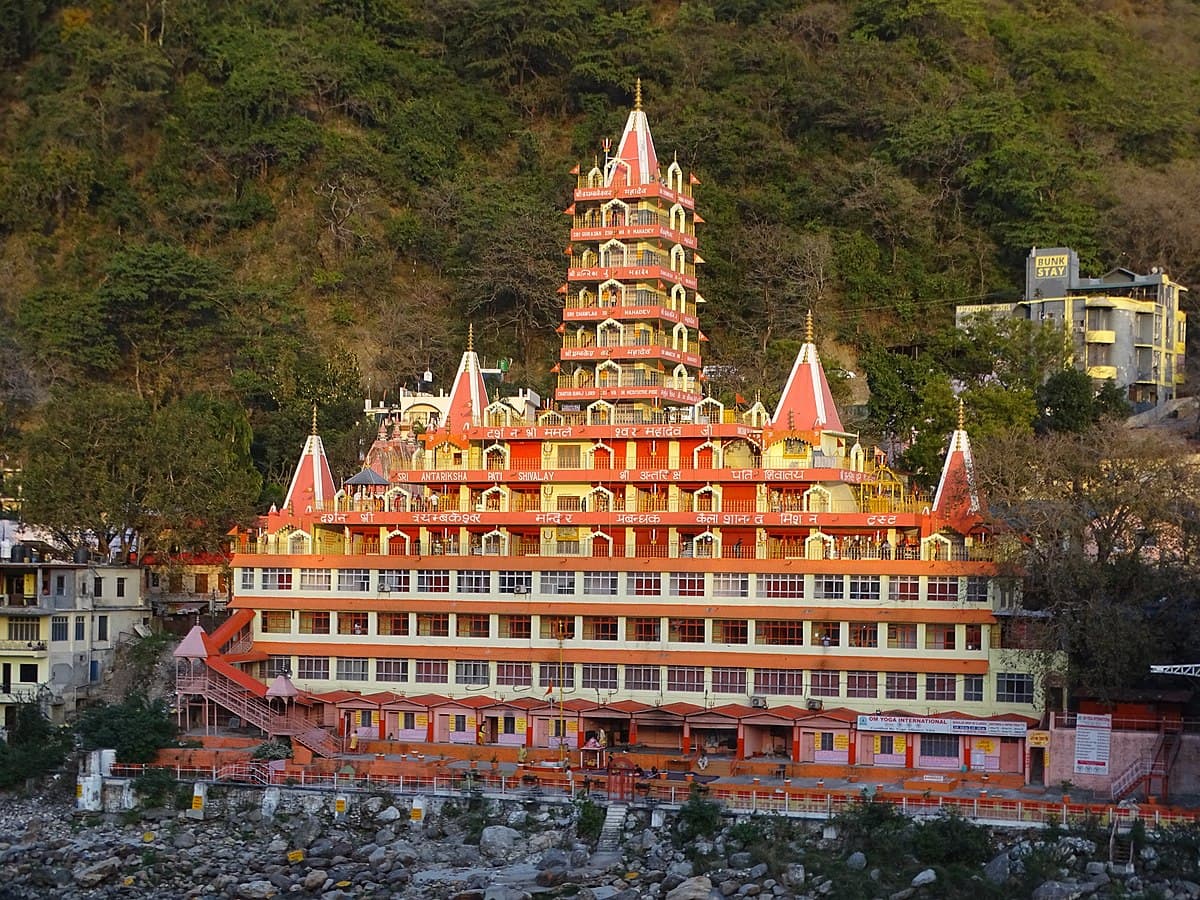
Rishikesh sits where the Ganges leaves the Himalayas and flattens out, about 25 km upstream of Haridwar. It's a town of two halves: the temple-and-ashram side around Triveni Ghat a...

Best forAdventure groupsBudget weekend tripsCollege friendsYoga and wellness seekersSpiritual travellersFirst-time raftersPhotographersSolo travellers joining groups
Easy to Moderate
|Basic fitness is enough for the standard 16 km rafting stretch, the Neer Garh walk and the aarti circuit. The Shivpuri 26 km rafting and the Kunjapuri sunrise trek need reasonable stamina — if you can walk 5 km comfortably, you're fine. Bungee has weight limits (40-110 kg) and a basic health declaration.
Updated today

Browse by month

Upcoming trips (14)
Past trips (1)

Explore Nearby

If you like Rishikesh, you might also enjoy these destinations.

Trips by Departure City

Find Rishikesh trips departing from your city.

What to Expect

Expect a walkable, mostly flat riverside town with two suspension bridges (Ram Jhula and Laxman Jhula) that are pedestrian-only and constantly crowded. Expect cows on the ghats, sadhus under trees, and Israeli cafes next to 200-year-old temples. Rafting season runs September to June; the monsoon (July-August) shuts most river activity down. The water is cold and fast even in summer. Tapovan has the hostels, cafes and adventure operators; the Ram Jhula side has the ashrams and quieter ghats. Mobile connectivity is patchy in Tapovan's upper lanes. Most group tours are 2 nights/3 days and pack in rafting, a waterfall trek, and one aarti.

Honest Heads-Up
  • Rafting is suspended during monsoon (roughly July 1 to September 15) — if you book a 'rafting package' in those months, confirm what you're actually getting.
  • Laxman Jhula was closed for repairs and vehicle traffic is restricted; don't assume you can drive across. Crossings can mean long walks with luggage.
  • The ghats and riverbanks are not clean. Plastic and ritual waste are visible in places — manage expectations if you're bringing family.
  • Alcohol and non-veg food are officially banned in Rishikesh municipal limits. Some Tapovan places bend this quietly, but don't plan a party trip around it.
  • 'Yoga capital' marketing is real but uneven — plenty of 90-minute drop-in classes are tourist yoga, not authentic teaching. Vet your ashram.

Things to Do

White-water rafting (Shivpuri stretch)
3-4 hours·₹900-1,500 per person
Group
Bungee jump at Jumpin Heights
1-2 hours (plus queue)·₹3,500-4,000 per person
Group
Neer Garh Waterfall trek
2-3 hours round trip·₹30 entry + ₹200-400 guide
Group
Kunjapuri Temple sunrise trek
3-4 hours (start 4 am)·₹500-800 shared cab
Group
Neelkanth Mahadev Temple visit
Half day·₹300-600 shared taxi
Group
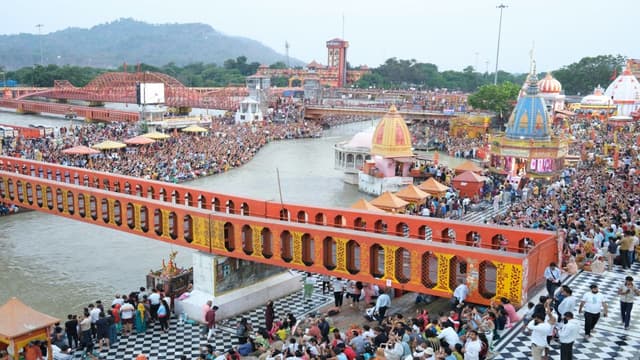
Ganga Aarti at Parmarth Niketan
1 hour (sunset)·Free
Group
Beatles Ashram (Chaurasi Kutia)
1-2 hours·₹150 entry
Group
Cliff jumping and riverside camping at Shivpuri/Byasi
Overnight·₹1,200-2,500 per person
Group

Plan Your Trip

How to Reach

By air: Jolly Grant Airport (Dehradun) is 20 km away, about 45 minutes by taxi (₹800-1,200). Delhi to Dehradun flights run daily. By train: Haridwar Junction is 25 km away and the main railhead — trains from Delhi take 4-5 hours. From Haridwar, shared autos and taxis to Rishikesh cost ₹50-100 per person or ₹600-800 for a full cab. By bus: direct Volvo and AC buses from Delhi's Kashmiri Gate and Anand Vihar take 6-7 hours (₹500-900). By road: self-drive from Delhi via NH-334 is 240 km, roughly 6 hours with a breakfast stop at Cheetal Grand or Muzaffarnagar. Most group tours include Delhi-to-Rishikesh transport or pick up from Haridwar station.

Travel Tips
1Book rafting directly with a registered operator rather than through a hotel middleman — you'll pay 20-30% less and can inspect the gear.
2Weekday trips are dramatically better than weekends in Oct-Dec. A Tuesday-Wednesday trip avoids the Delhi crowd entirely.
3The two suspension bridges get jammed 5-7 pm. Cross earlier or later if you're moving between Tapovan and Ram Jhula.
4Carry cash. ATMs in Tapovan run dry on weekends and many cafes are cash-only.
5Don't book a 'rafting + camping + bungee + trek' combo at ₹999 — it's either not real or not safe. Expect ₹2,500-4,000 for a genuine 2N/3D adventure package.
6Leave your luggage at the hotel on rafting day. Operators don't have secure storage at the put-in point.
7For the aarti, arrive 30 minutes early at Parmarth Niketan to get steps seating. It fills up fast in season.
8If you're driving, park at the Tapovan taxi stand and walk — the lanes are too narrow for cars and you'll get stuck.

Local Guide

Food & DiningVeg friendly

Must try: Aloo poori and kachori at the Chotiwala restaurants near Ram Jhula, Garhwali thali — mandua roti (finger millet), kafuli (spinach curry), bhatt ki churkani, Ganga-side maggi and chai at the Tapovan cafes — a rite of passage, Wood-fired pizza and Israeli shakshuka at the Tapovan backpacker cafes, Rabri and jalebi at the sweet shops near Triveni Ghat

Eat dinner before 9 pm at the Tapovan cafes — kitchens close early and the lanes get dark. For the cheapest good thali, walk one lane back from the main Tapovan strip. Carry cash; several good cafes don't take cards.

FAQs

Is Rishikesh safe for a group of girls on a trip?
Yes, it's one of the safer Indian destinations for women — the town is used to solo and female travellers, and the Tapovan cafe strip is busy late. Standard precautions apply: avoid the dark upper lanes after 10 pm, don't walk alone on the beach side at night, and be careful with 'free' yoga class invitations that turn into donation pressure. Choose a hostel or hotel with a 24-hour desk.
Can we drink alcohol in Rishikesh?
Officially no — Rishikesh is a dry, holy city and non-veg food is also banned within municipal limits. In practice, some Tapovan guesthouses and cafes serve discreetly, but you cannot buy liquor in town and there's no bar scene. If a party is the point of the trip, go to Goa or Kasol. If you want a bonfire and music, that's very much available.
Is rafting worth it, and which stretch should we book?
Yes, it's the main reason most groups come. The 16 km Marine Drive to NIM Beach stretch (Grade II-III) is the standard 2-3 hour run and is right for first-timers. The 26 km Shivpuri stretch adds Grade III+ rapids like Roller Coaster and Golf Course — better if your group is reasonably fit. The 34-36 km Kaudiyala run is a full day and only for confident swimmers. Prices run ₹600-1,500 per person depending on stretch and operator.
What's the difference between Tapovan and Ram Jhula?
Tapovan (near Laxman Jhula) is the backpacker and adventure hub — hostels, cafes, rafting operators, younger crowd, more noise. Ram Jhula and Swarg Ashram are the spiritual side — ashrams, temples, quieter ghats, older crowd and families. Most group tours base in Tapovan and visit Ram Jhula for the aarti.
How many days do we need in Rishikesh?
Two nights/three days is the sweet spot: one day for rafting plus a waterfall, one morning for yoga and the aarti, and a half-day for Neelkanth Mahadev or Kunjapuri. One night feels rushed and you'll miss the aarti. Four days is only worth it if you're doing a yoga course or the Kunjapuri sunrise trek.
Is the Ganga Aarti at Parmarth Niketan or Triveni Ghat better?
Parmarth Niketan (Ram Jhula side) is the more choreographed, sit-on-the-steps experience with chanting and lamps — better for first-timers and groups. Triveni Ghat is the bigger, more chaotic local aarti with hundreds of diyas floating on the river — more atmospheric but harder to follow. Do Parmarth if you want to sit and absorb; Triveni if you want the spectacle.
Do we need permits for rafting or camping?
No permits for standard commercial rafting or riverside camping — the operator handles everything. You do need ID proof (Aadhaar/passport) for hotel check-in and for the rafting waiver. If you're doing the Kunjapuri or Neer Garh trek independently, no permit is required. Forest camping in the Rajaji area needs operator-arranged permissions, which is why you should book through a registered company.
What's the phone and internet situation?
Jio and Airtel work in most of Tapovan and Ram Jhula, but speeds drop in the upper lanes and near the bridges. BSNL is unreliable. Many cafes have decent Wi-Fi. If you need to work, pick a hotel with confirmed Wi-Fi rather than relying on mobile data.
Is Rishikesh expensive?
No — it's one of the cheaper Indian destinations. Hostel dorms run ₹400-800 a night, private rooms ₹1,200-2,500, meals ₹150-350 at cafes. A 2N/3D group tour with rafting typically lands at ₹1,499-4,000 per person depending on inclusions. Budget ₹1,500-2,500 per day for a comfortable independent trip.
Can we do Rishikesh in monsoon?
You can, but manage expectations hard. Rafting, bungee and most adventure activities are shut from July to mid-September. What's open: yoga, ashrams, the aarti (weather permitting), cafes, and the waterfalls in full flow. It's cheap and quiet, and genuinely beautiful if you like rain — but it's a wellness trip, not an adventure trip.

Group Trips to Rishikesh

Rishikesh group trips have become the default weekend escape for Delhi and NCR twenty-somethings, and it's easy to see why — 240 km, six hours, and you're on a raft in the Ganges by lunchtime. Group tour packages to Rishikesh typically run two nights and three days, bundling riverside camping or a Tapovan hostel stay with the 16 km Marine Drive rafting stretch, a Neer Garh waterfall trek, and an evening at the Ganga Aarti. Prices start around ₹1,499 per person for basic packages and climb to ₹4,000 for ones that include bungee jumping, private transport, and better stays. The honest version: Rishikesh is not a party destination. Alcohol and non-veg food are banned, cafes close by 10 pm, and the town's rhythm is set by the river and the temples. What you get instead is a genuinely mixed trip — adventure in the morning, spirituality at sunset, and a cafe culture that's unusually good for a small Himalayan town. Group tours work well here because transport and activities are cheap to share, and the compact geography means you're never more than 15 minutes from anything. Book October to November or March to April for the best rafting conditions and weather; avoid the monsoon months when the river closes and the adventure operators shut down. Whether you're chasing rapids or a yoga mat, Rishikesh delivers — just go in with the right expectations.

Destination data helps you shortlist trips quickly. Refreshed periodically.