Best Places to Visit in North India (2026): Mountains, Heritage Cities and Weekend Escapes
A practical guide to the best places to visit in North India in 2026 covering the Himalayas, heritage cities and weekend trips from Delhi.
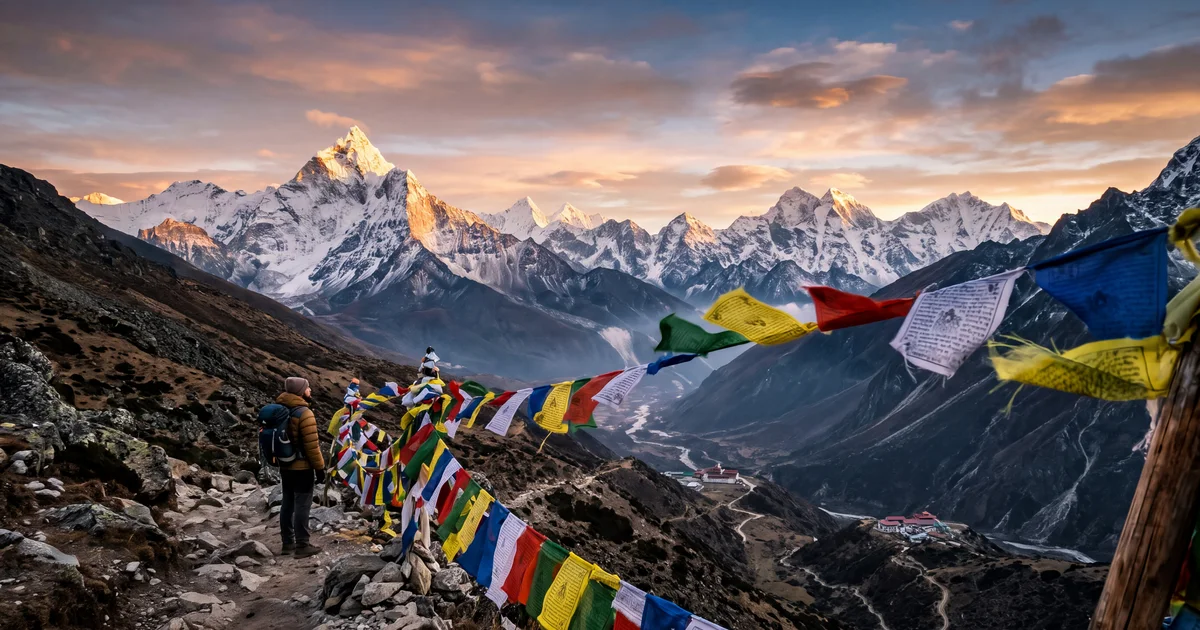
North India covers an enormous amount of ground, from the Thar Desert in Rajasthan to the glaciers of Ladakh, from the Ganges plains to the forests of Jim Corbett. Lumping all of it into one "places to visit" list sounds absurd, and it partly is. But most people searching for this are doing what you are probably doing right now: trying to figure out where to start.
So here is how this guide works. It is organized by the kind of trip you want, not by state. Mountains go together. Heritage cities go together. Weekend escapes from Delhi go together. Each section has enough practical detail (distances, costs, best months) to decide whether it belongs on your itinerary or not.
The geography helps narrow things down. Nearly every North India trip begins or passes through Delhi. The Himalayas run east to west across the top. Rajasthan fills the west. The Gangetic plain stretches through the middle. Your trip is some combination of these three zones.
TL;DR
- October to March for plains and heritage cities; April to June for hill stations; June to September for Ladakh and Spiti
- The Golden Triangle (Delhi, Agra, Jaipur) takes 5 to 7 days and is the most common starting route
- Himachal and Uttarakhand hill stations are 5 to 10 hours from Delhi
- Budget ₹1,500 to ₹3,000 per day for mid range travel (trains, guesthouses, local food)
- Two weeks covers the plains and one mountain region comfortably
What are the best heritage cities to visit in North India?
Start with the Golden Triangle. It is the most popular route for a reason.
Delhi is where most trips begin. The city is 3,000 years of history compressed into one metro area. Old Delhi (Chandni Chowk, Jama Masjid, Red Fort) takes a full day. New Delhi (Humayun's Tomb, India Gate, Qutub Minar) takes another. Two days minimum for Delhi, three if you eat your way through the street food in Chandni Chowk, which you should.
Agra is 230 km from Delhi (3 to 4 hours by Expressway, or 2 hours by Gatimaan Express). The Taj Mahal opens at sunrise and that is genuinely the best time to visit: fewer crowds, better light, and the marble changes colour as the sun rises. Entry is ₹50 for Indians, ₹1,100 for foreigners. Most people spend 2 to 3 hours here. Agra Fort, 2.5 km away, is almost as impressive and gets a fraction of the visitors. One day covers both.
Jaipur is 270 km from Agra (4.5 to 5 hours by road). The Pink City has Amber Fort (the single best fort experience in Rajasthan, if you ask me), Hawa Mahal, the City Palace, and Jantar Mantar. Two days feels right. The bazaars in the old city (Johari Bazaar, Bapu Bazaar) are worth an evening.
Beyond the triangle, Varanasi is the city that changes most people's idea of India. It is chaotic, intense, and 800 km from Delhi (an overnight train or a 1.5 hour flight). The morning boat ride on the Ganges at sunrise past the burning ghats is unlike anything else in the country. Two nights minimum.
Lucknow rounds out the heritage list with Mughal era architecture and the best food culture in North India. The kebabs on Aminabad's street stalls are not a cliché. They are genuinely better than what you get anywhere else. 500 km from Delhi, easily reached by Tejas Express in about 6 hours.
Which Himalayan hill stations are worth the drive from Delhi?
The Himalayas are the reason North India trips keep getting extended. Once you see the mountains, the plains feel flat in every sense.
Shimla is 350 km from Delhi (7 to 8 hours by road, or a flight to Jubbarhatti airport followed by a 23 km taxi ride). The Mall Road, Christ Church, and Ridge are the standard stops. The Kalka to Shimla toy train (UNESCO Heritage) takes 5 hours and runs through 102 tunnels. It is slow. Take it anyway if you have the time.
One caveat: Shimla gets overcrowded on weekends from April to June. Hotel prices triple and the Mall Road becomes shoulder to shoulder. Visit on weekdays or in October when the weather is still good and the crowds disappear.
Manali is 540 km from Delhi (12 to 14 hours by road; no direct flights). Solang Valley, Hadimba Temple, and Old Manali are the main draws. The Rohtang Pass opens May to October and the drive up leaves you short of breath (the altitude hits 3,978 metres). If you are going between January and March, Solang Valley has skiing. Most people skip it. That is a mistake if the snow conditions are right.
Read the full Manali trip guide for detailed itineraries from Delhi.
Mussoorie is the closest hill station to Delhi at 280 km (6 to 7 hours). Kempty Falls, Gun Hill cable car, and Camel's Back Road are the highlights. The town is compact and walkable. It works well for families and short breaks.
Rishikesh is technically in the foothills, not a hill station, but it deserves mention. It is 230 km from Delhi (5 to 6 hours). White water rafting on the Ganges (Class III and IV rapids, 16 km stretch, ₹800 to ₹2,000 per person), Laxman Jhula, and the ashrams along the river bank fill 2 to 3 days easily. The cafes in Tapovan are better than they have any right to be.
Dharamshala and McLeodganj are 480 km from Delhi (9 to 10 hours, or a flight to Gaggal airport). McLeodganj is the seat of the Tibetan government in exile and the Dalai Lama's residence. The Triund trek from McLeodganj (9 km one way, 6 to 7 hours round trip) ends at a ridge with views of the Dhauladhar range that make every minute of the climb worth it.
Browse more weekend getaways from Delhi if you are planning a short trip.
Are Ladakh and Spiti Valley worth the difficulty?
Yes, but they demand preparation.
Ladakh sits above 3,500 metres. Leh, the capital, is reachable by flight from Delhi (1.5 hours) or by the Manali to Leh Highway (2 days, 490 km, open June to September only). The first day in Leh is for acclimatization. Do not skip this. Altitude sickness is real and it ruins trips.
Pangong Lake (160 km from Leh, 5 hours) is the lake from the 3 Idiots ending. It sits at 4,350 metres and the water changes from blue to turquoise to green depending on the time of day. Nubra Valley (120 km from Leh) has the Diskit Monastery perched on a cliff and double humped Bactrian camels at Hunder sand dunes.
Seven to ten days is the minimum for Ladakh. Less than that and you are either rushing or sick from altitude.
Spiti Valley is the colder, emptier, less touristy version of Ladakh. The road from Manali enters through the Kunzum Pass (4,590 metres) and the landscape looks like a different planet. Kaza is the base town. Key Monastery (1,000+ years old, perched on a cliff above the Spiti River) and Chandratal Lake are the two places you cannot miss.
Spiti is accessible from mid June to early October. The rest of the year, the passes close. There is no airport. The nearest train station is Shimla, 12 hours away by bus. This is deliberately difficult to reach, and that is part of the point. Eight to ten days minimum.
What should you see in Rajasthan beyond Jaipur?
Rajasthan could fill an entire trip by itself. Three cities stand out beyond Jaipur.
Udaipur is the lake city, 670 km from Delhi. The City Palace sits on the edge of Lake Pichola and is the largest palace complex in Rajasthan. A boat ride to Jag Mandir at sunset costs ₹400 to ₹800. The old city is walkable and the rooftop restaurants on the lakefront serve food with views that justify any price. Two to three days.
Jodhpur is 600 km from Delhi. Mehrangarh Fort towers 125 metres above the blue city and is the most imposing fort in India by sheer vertical presence. The audio guide (included with entry) is one of the best museum audio guides anywhere. Below the fort, the blue painted houses of the Brahmin quarter are what everyone photographs. Two days.
Jaisalmer sits in the Thar Desert, 800 km from Delhi. The living fort (people still live inside the 12th century walls) and the Sam Sand Dunes (42 km from town) are the two essentials. A camel safari into the dunes with an overnight camp under the stars runs ₹1,500 to ₹5,000 depending on the level of comfort.
The Rajasthan circuit (Jaipur, Jodhpur, Jaisalmer, Udaipur) takes 10 to 14 days at a relaxed pace. Overnight trains connect most of these cities and the journey itself is part of the experience.
Which North India treks work for beginners?
If you have not trekked before, North India has some of the most accessible high altitude trails in the world.
Kedarkantha (Uttarakhand) is the classic winter trek. 6 days, summit at 3,800 metres, and the trail passes through pine forests and snow covered meadows from December to April. No prior trekking experience required. Organized groups cost ₹7,000 to ₹12,000 all inclusive from Sankri base camp.
Triund (Himachal Pradesh) is a day trek from McLeodganj. 9 km one way, moderate difficulty, and the campsite at the top has Dhauladhar peaks on one side and the Kangra Valley on the other. Bring your own tent or rent one at the top for ₹500 to ₹1,000.
Brahmatal (Uttarakhand) is a 6 day winter trek with frozen lake views at 3,500 metres. The summit offers a panorama of Trishul and Nanda Ghunti peaks. It is less crowded than Kedarkantha and arguably more scenic.
Valley of Flowers (Uttarakhand) is a UNESCO Heritage trek that opens from July to September during monsoon season. The valley fills with hundreds of species of alpine flowers and the 3.5 km trail from Ghangaria is flat enough for anyone who can walk for 3 hours.
Check out the full guide to the best treks in India for detailed trail information.
How to plan a North India trip from Delhi
Delhi is the natural starting point. The airport connects to almost every city in the region, the train network fans out in all directions, and bus terminals cover whatever trains miss.
For the Golden Triangle (Delhi, Agra, Jaipur): take the Gatimaan Express to Agra (2 hours), spend a day, then drive or take a bus to Jaipur (4.5 hours). Return to Delhi from Jaipur by Shatabdi Express (4.5 hours). Five days total, fairly relaxed.
For Himachal Pradesh (Shimla, Manali, Dharamshala): HRTC Volvo buses from Delhi's Kashmere Gate ISBT run to all three. Shimla buses depart every 30 minutes (₹700 to ₹1,200). Manali is an overnight journey (₹1,000 to ₹1,500). Book HRTC buses through the official website; private operators are inconsistent.
For Uttarakhand (Rishikesh, Mussoorie, trekking): Rishikesh is a 5 to 6 hour drive from Delhi. From Rishikesh, Mussoorie is 3 hours. Most trekking base camps (Sankri, Lohajung, Ghangaria) are reached by bus or shared jeep from Rishikesh or Haridwar.
For Ladakh: fly to Leh from Delhi (daily flights, ₹4,000 to ₹10,000). Alternatively, drive from Manali (2 days). The flight saves time but misses the scenery. The road trip is one of the best drives in India if you can handle the altitude.
Budget guide: Trains in Sleeper or 3AC class are the cheapest way to cover distance. A Delhi to Jaipur Sleeper berth costs ₹250. A Delhi to Varanasi 3AC berth costs ₹1,200. State transport buses are ₹100 to ₹300 for most routes. Mid range hotels in North India run ₹1,500 to ₹3,500 per night. Street food meals cost ₹50 to ₹150. Budget ₹1,500 to ₹3,000 per day for comfortable, not luxurious, travel.
When to go where (month by month)
The timing question is the most important one for North India because the same region can be perfect or miserable depending on the month.
October to February: The plains (Delhi, Agra, Jaipur, Varanasi, Lucknow) are at their best. Daytime temperatures in Rajasthan hover around 25°C. Delhi gets cold at night (5°C to 8°C in January) but the days are pleasant. This is peak season for the Golden Triangle and Varanasi.
March to June: Hill stations come alive. Shimla, Manali, Mussoorie, and Dharamshala are comfortable (15°C to 25°C) while the plains bake above 40°C. Avoid the plains entirely from April onwards unless you enjoy sweating through historical monuments.
June to September: Ladakh and Spiti open. The passes clear by mid June. This is the only time to visit these high altitude deserts. Meanwhile, the rest of North India is in monsoon: the Himalayas get heavy rain, the plains are humid, and Rajasthan has scattered but intense downpours that fill the step wells.
December to April: Winter trekking season for Kedarkantha, Brahmatal, and Nag Tibba. Snow starts in late November at altitude and stays through March.
The month you choose determines the trip. Decide the season first, then pick destinations and trips that match.
Frequently asked questions
- What is the best time to visit North India?
- October to March is ideal for the plains and heritage cities (Delhi, Agra, Jaipur, Varanasi). Hill stations and lower Himalayas (Shimla, Manali, Mussoorie) are best from March to June and again in September to November. High altitude destinations like Ladakh and Spiti open only from June to September. Avoid the plains in May and June when temperatures cross 45°C.
- How many days do you need for a North India trip?
- A focused Golden Triangle trip (Delhi, Agra, Jaipur) takes 5 to 7 days. Add Varanasi and you need 8 to 10 days. A Himachal or Uttarakhand hill station trip is comfortable in 4 to 6 days from Delhi. Ladakh or Spiti need at least 8 to 10 days including acclimatization. Two weeks covers the plains and one mountain region without feeling rushed.
- Is North India safe for solo travellers?
- Major tourist cities (Delhi, Jaipur, Agra, Varanasi, Rishikesh) are well connected and have established tourism infrastructure. Exercise the same caution you would in any large Indian city: avoid isolated areas at night, use registered transport, and keep copies of your ID. Hill stations and trekking areas are generally safe, though weather conditions at altitude require preparation.
- What is the cheapest way to travel in North India?
- Trains are the most affordable option for covering long distances. Book Sleeper or 3AC class on IRCTC 60 to 120 days in advance for the best fares. Delhi to Jaipur costs about ₹250 in Sleeper class. State transport buses (HRTC, UPSRTC, RSRTC) connect smaller towns. Budget ₹1,500 to ₹3,000 per day for mid range travel including accommodation, food and local transport.
- Which North India destinations are best for families with kids?
- Shimla works well for families because of its flat Mall Road, toy train, and mild weather. Mussoorie has Kempty Falls and the cable car at Gun Hill. Jaipur has Amber Fort's elephant walk and Nahargarh's sunset views. Jim Corbett National Park combines wildlife jeep safaris with comfortable forest lodges. All four have reliable hotels and medical facilities.