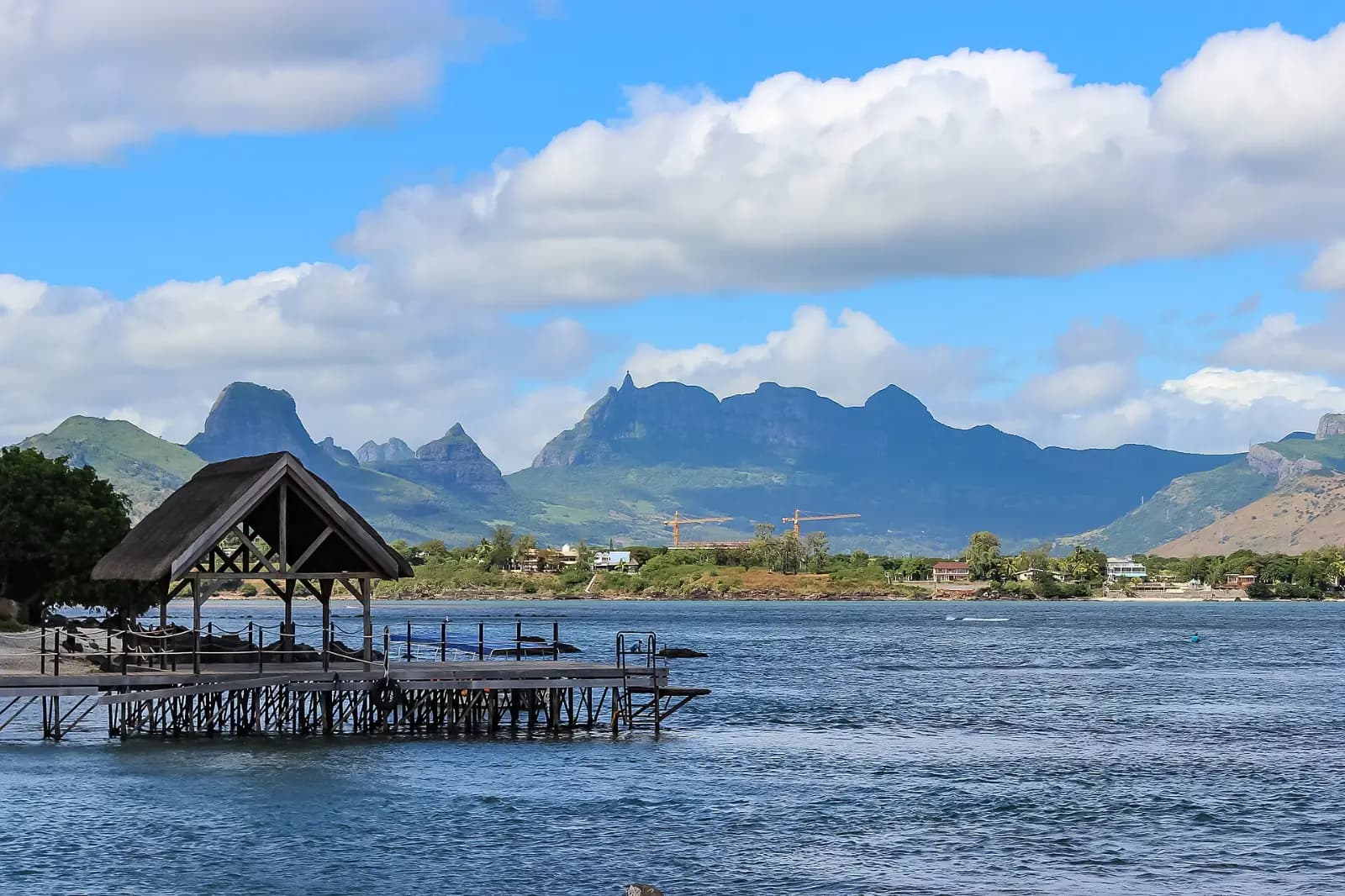
Moka
Mauritius
Mauritius's misty green heartland — where you hike, eat local, and skip the resort bubble.
Moka is the anti-resort Mauritius. Sitting in the island's central plateau at about 300m elevation, it's where Mauritians actually live and work — a university town (University of ...
Photos
Upcoming trips
Explore Nearby
If you like Moka, you might also enjoy these destinations.

What to Expect
Expect a working Mauritian town, not a tourist town. English and French are official but Creole and Bhojpuri dominate daily conversation, and you'll hear Tamil and Telugu in the temples. Streets are functional rather than pretty; the beauty is in the surrounding hills, sugar cane fields, and the old colonial estates. Public transport is cheap but slow — buses to Port Louis run frequently, but getting to the beaches requires a car or taxi. Accommodation is mostly guesthouses and small hotels, not resorts. Food is cheap and excellent if you eat where locals eat. Weather is noticeably cooler and wetter than the coast — bring a light jacket even in summer.
- Moka is not a beach destination. If your Mauritius dream is sand and sea, you'll be driving 30-45 minutes each way — factor that in or base yourself on the coast instead.
- It rains here more than anywhere else on the island. The central plateau catches the trade winds and you can get sudden afternoon downpours year-round. Pack a poncho, not just an umbrella.
- There's very little nightlife. Restaurants close early (by 9-10pm), and after dark the town is quiet. Party groups should look at Grand Baie or Flic en Flac.
- Buses are cheap (₹20-40) but infrequent after 7pm and crowded at peak hours. Without a car you'll waste hours waiting.
- Some hiking trails (especially Le Pouce's upper sections) are poorly marked and slippery after rain. Don't attempt alone without a local guide if you're not an experienced trekker.
Things to Do
Plan Your Trip
Fly into Sir Seewoosagur Ramgoolam International Airport (MRU) in the southeast, then drive 45-50 minutes via the M2 motorway to Moka (taxi ₹2,500-3,500). From Port Louis, Moka is 20 minutes by car or a frequent bus (₹30-40, 40 minutes). From the north (Grand Baie) it's 35-45 minutes by car. There's no train. Buses connect Moka to Port Louis, Curepipe and Quatre Bornes, but a rental car is strongly recommended for flexibility.
Local Guide
Must try: Dholl puri — flatbread stuffed with split peas, served with curry and chutney (₹60-100), Gateau piment — split-pea fritters, the national snack, Rougaille — tomato-based Creole stew with sausage, fish or octopus, Boulettes — steamed dumplings in broth, Chinese-Mauritian style, Mine frite — fried noodles, a Mauritian staple, Alouda — milky drink with basil seeds and jelly, Fresh sugar cane juice at roadside stalls
Eat where the university students and office workers eat — lunch spots near the University of Mauritius and the main market serve huge, cheap, excellent meals between 11am and 2pm. Dinner options thin out fast after 8pm, so eat early or cook at your guesthouse.
FAQs
Is Moka worth staying in, or should I just base myself at the beach?
How do I get from the airport to Moka?
Do I need a car in Moka?
Is Moka safe for tourists?
What's the hiking like around Moka?
Can I find vegetarian food easily?
What's the weather really like compared to the beaches?
Are there group tours based in Moka?
How many days should I spend in Moka?
Is Moka good for budget travelers?
Group Trips to Moka
Moka is the side of Mauritius that group tours usually skip — and that's exactly why it works. Sitting on the island's cool central plateau, Moka is a working Mauritian town of university students, sugar heritage and misty green hills, not a resort strip. For group trips to Moka, the appeal is simple: you get a genuinely local base within 20 minutes of Port Louis and 40 minutes of the northern beaches, at prices that leave room for actual experiences. Small groups of friends or solo travelers joining a hiking group can tackle Le Pouce mountain, wander the Eureka colonial estate, and eat dholl puri and gateau piment for less than the cost of one resort buffet. Moka tours aren't about packaged itineraries — they're about self-drive road trips, early-morning treks, market food crawls and heritage walks. The best time for a Moka group trip is May to September, when the plateau is dry and cool and the trails are at their best. If you're planning Mauritius group travel and want something beyond the beach, Moka is where you find the island's real rhythm.
Destination data helps you shortlist trips quickly. Refreshed periodically.