Best Places to Visit in Valparai (2026): Tea Estates, Wildlife and Misty Roads
12 places to visit in Valparai in 2026 with honest tips on tea plantations, viewpoints, wildlife and how to plan a trip from Bangalore or Coimbatore.
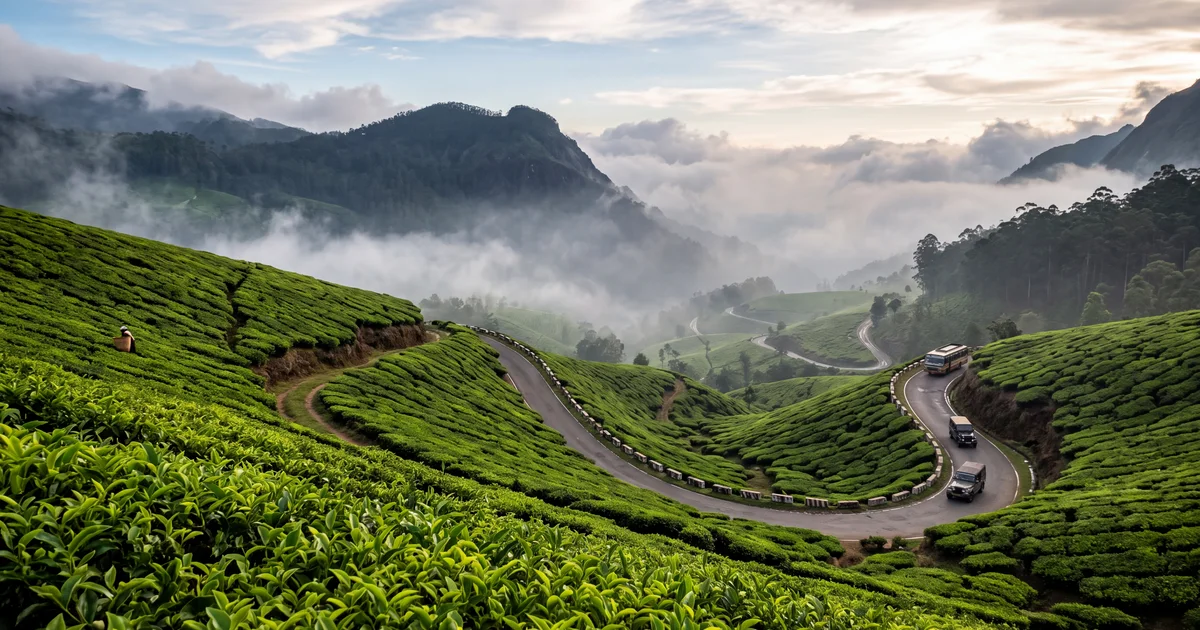
Valparai is a hill station in Tamil Nadu's Coimbatore district that most people outside the state have never heard of. It sits at 1,196 metres in the Anamalai Hills, surrounded by tea and coffee estates that stretch further than you can see on a clear morning. The town itself is small, functional and not particularly scenic. The places around it are what make the trip worthwhile.
Getting here involves 40 hairpin bends on a ghat road through the Indira Gandhi Wildlife Sanctuary. That road is half the experience. You pass through dense shola forests where lion tailed macaques sit on the railing like they own the place (they do), and mist rolls across the windshield at hairpin 26 just as your driver decides overtaking a TNSTC bus is a good idea. If places to visit in Valparai is what brought you to this page, know that the ghat road itself deserves a spot on the list.
This guide covers 12 places worth your time, with specifics on what to skip and how to plan two or three days without wasting half of them on bad routes.
TL;DR
- Valparai is 100 km from Coimbatore via the Aliyar ghat road (40 hairpin bends, about 3 hours).
- Best months: October to March for clear skies and comfortable 15°C to 25°C temperatures.
- Budget: 1,200 to 2,000 rupees per day for a guesthouse, three meals and local transport.
- Two days is the minimum. Three lets you cover Grass Hills, Sholayar Dam and a tea estate walk without feeling like a checklist exercise.
- Browse group trips from Bangalore that cover Valparai and the Anamalais on TripzSearch.
Where is Valparai and how do you get there?
Valparai is in the Anamalai Hills of the Western Ghats, about 100 km south of Coimbatore. The town is an old British era tea estate settlement. It does not have a railway station or airport. Coimbatore (the nearest of both) is 3 hours by road.
From Bangalore, drive to Coimbatore on NH44 (about 365 km, 6 to 7 hours depending on Hosur traffic). From Coimbatore, take the road through Pollachi to Aliyar, where the ghat road begins. TNSTC operates bus services from Pollachi to Valparai roughly every hour, and tickets cost about 60 rupees. The ghat road has 40 numbered hairpin bends, takes 90 minutes, and does not forgive carsickness.
If you are coming from Chennai, fly to Coimbatore (1 hour 15 minutes) and hire a taxi for the remaining 100 km. Expect 2,500 to 3,000 rupees for a sedan. Self driving is fine on the ghat road if you are comfortable with blind turns and oncoming lorries that assume they have right of way. They do not.
Which viewpoints are worth the stop?
Nallamudi Viewpoint
This is the one everyone recommends, and for once the consensus is right. At 1,450 metres, it overlooks a drop into the Sholayar valley with reservoir water visible on clear days. The viewing platform is a 1 km walk from the road through tea bushes. Go before 9 AM because clouds fill the valley by mid morning from November through February. The walk back through the tea estate is better than the viewpoint itself if you time it for golden hour.
One problem: the path gets slippery after rain and there are no guard rails at the edge. Wear shoes with grip. Chappals here are a decision you will regret.
Suicide Point (Kavarkal)
The name is dramatic. The view is worth it. This is a cliff edge overlooking the plains below, about 15 km from Valparai town. On a clear day you can see Pollachi's outline far below. December mornings offer the best visibility because the haze is lower than in summer. There is a small parking area and a 200 metre walk to the edge.
The viewpoint has no fence. Stay back from the edge, especially if the ground is damp. Photography is excellent here at sunrise, but reaching it before 7 AM means leaving Valparai at 6 AM in darkness, which the road does not make easy.
What are the best tea estate walks in Valparai?
The estates are the reason Valparai looks the way it does. Three companies operate most of the land: TANTEA (government owned), Parry Agro, and Tata Coffee. Some allow visitors, most do not. Do not walk into a private estate without asking.
TANTEA's estates near the main road are the most accessible. The stretch between hairpin 18 and the town has rows of tea bushes on both sides with the Anamalai peaks behind them. You do not need a guide for this. Park the car, walk the rows, and come back before the pickers arrive at 8 AM because the estates get busy and permission gets harder once the foremen are on site.
Injipara Tea Estate, about 6 km from the town centre, has a small factory where you can watch processing if you ask politely. There is no ticket or official tour. A packet of fresh tea from the factory costs about 100 rupees and tastes different from what reaches Bangalore shelves. The cardamom flavour in the lower elevation lots is noticeable.
One honest note: "tea estate photography" features heavily in every Valparai article. In practice, the estates look spectacular at sunrise and dull under flat afternoon light. Plan your drive through them before 8 AM or after 4:30 PM.
Is Grass Hills National Park open to visitors?
Grass Hills (Parambikulam extension area) is a restricted zone about 30 km from Valparai. The forest department allows day visits with a permit. You need to get the permit from the Valparai forest range office, and it costs 150 rupees per person plus 25 rupees for a camera.
The terrain is rolling grassland at around 1,600 metres, broken by shola forest patches. Indian gaur herds graze here. Mornings in December see gaur groups of 15 to 20 animals feeding within 50 metres of the jeep track. That is not an exaggeration; they are remarkably unbothered by vehicles.
The restriction keeps crowds out, which is the whole point. Expect 10 to 15 other visitors on a weekday. Weekends push that to 40 or 50 during the Pongal season. The downside: no food, no toilets, no mobile signal. Carry water and snacks.
If the permit office says "closed for maintenance" during monsoon months, do not negotiate. The grasslands flood and the tracks become impassable. July and August closures are standard.
What can you see at Sholayar Dam?
Sholayar Dam is about 25 km from Valparai on the road toward Athirapally. The dam holds back the Sholayar River and the reservoir stretches between forested hills. You cannot go onto the dam itself (it is a restricted zone), but the viewpoint above the reservoir is open and free.
The reservoir looks best between October and January when water levels are high and the surrounding forest is still green from the monsoon. By March, the water recedes and the banks turn brown. The drive from Valparai to the dam passes through the Anamalai Tiger Reserve, and elephant warning signs are not decorative. Slow down around bends, especially between 5 PM and 7 PM.
There is nothing to do at the dam beyond looking at it and taking photographs. That sounds dismissive but the scale of the reservoir against the forest stops you mid sentence. Plan 30 to 45 minutes including the drive from town.
How does Monkey Falls compare to other South Indian waterfalls?
Monkey Falls sits at the base of the ghat road, near Aliyar, about 50 km from Valparai town. It is on the way up, not in Valparai itself, so most people stop during the drive. The waterfall drops about 20 metres into a rock pool where swimming is allowed (technically; check with the forest staff on site because rules change by season).
The name comes from the bonnet macaques that crowd the parking area and will take your sunglasses if you let them. The falls are fed by the Aliyar River. After a good monsoon, the volume is impressive through October and November. By February, the flow thins to a trickle and the pool is too shallow for a proper swim.
Entry is 25 rupees. Changing rooms exist but are in rough shape. If you plan to swim, wear clothes you do not mind getting muddy. The rocks are slippery. This is a solid 45 minute stop on the drive up, not a destination you would come to Valparai specifically for.
Are there any wildlife encounters along the Valparai road?
The ghat road passes through the Indira Gandhi Wildlife Sanctuary, and animal sightings are not rare. Lion tailed macaques are almost guaranteed between hairpins 12 and 22. These are one of India's most endangered primates, with fewer than 4,000 left in the wild. They sit on the road railings and mostly ignore cars unless you stop too close.
Indian gaur cross the road near Grass Hills and sometimes near the Sholayar Dam road. They weigh up to 1,000 kg. Do not honk at them. Turn off the engine and wait.
Elephants are the serious concern. The Valparai plateau has a resident population of about 120 elephants. They cross the highway between Valparai and Athirapally at dawn and dusk. Road kills happen when drivers push speed on these stretches. The forest department has installed speed bumps and warning lights at crossing points. Respect them.
Leopard sightings are rare on the road but confirmed in the estates. The estate workers report them monthly. You will not see one unless you are very lucky or out at 4 AM where you should not be.
What is Balaji Temple and is it worth visiting?
The Balaji Temple in Valparai town is a small, well maintained Hindu temple on the main road. It is not an ancient structure or architecturally significant. It matters because it is the social centre of the town. Locals visit in the morning and evening, and the area around it has the town's best selection of small restaurants.
If you are looking for temple tourism, this is not the destination. If you want to see where estate workers gather after shifts and how the town actually functions, walk through the temple area between 6 PM and 7:30 PM. The evening aarti is simple and genuine. Five minutes, no drama, locals will nod at you and go back to their conversations.
What about Chinnakallar and Nirar Dam?
Chinnakallar is a small settlement about 15 km from Valparai with a dam and a disused power station. The dam's reservoir is scenic but there is no maintained viewpoint or tourist infrastructure. You park on the road and walk down a muddy path. The reward is a quiet spot with water, hills and no one else around on weekdays.
Nirar Dam is further east, about 28 km from Valparai. Access is restricted and depends on the forest department's mood. When open, the drive through the estate roads is pleasant. The dam itself is functional and not designed for tourism. Combine it with the Sholayar Dam drive if you have a full day and your own transport.
Honest take: both are filler stops unless you specifically enjoy dams and reservoirs. If your trip is two days, skip these and spend the time at Grass Hills and the tea estates.
How should you plan food and accommodation in Valparai?
Valparai is not Ooty. There are no resort strips or multi cuisine restaurants. The town has a handful of lodges, a few TNSTC guesthouses, and a couple of estate bungalows that are the best accommodation option if you can book them.
Accommodation
Estate bungalows run by TANTEA and private companies start at about 2,000 rupees per night and go up to 5,000 rupees for the better maintained ones. They come with cooks who prepare South Indian meals. Book through the estate office directly; online availability is unreliable.
Budget lodges in town cost 800 to 1,500 rupees. They are basic: clean sheets, hot water (sometimes), and a TV you do not need. Stanmore Bungalow, if available, sits on a hilltop with views that beat most 5 star hotels. Its 4 rooms fill up weeks in advance for October through December.
Food
Breakfast is idli, dosa, or pongal at one of three or four restaurants on the main road. Lunch is a South Indian meals plate (rice, sambar, rasam, curd) for 80 to 120 rupees. Dinner options are limited after 8:30 PM. Two bakeries sell puffs and bread. If you are particular about food variety, buy supplies in Pollachi before the climb.
Coffee here is worth mentioning separately. The estates produce Arabica and Robusta, and the local filter coffee uses a blend that you will not find replicated in city cafes. Ask any restaurant for "estate coffee" and expect to pay 15 to 20 rupees for a steel tumbler of it.
What can you do in Valparai in 2 days?
Day 1
Start from Coimbatore by 6 AM. Stop at Monkey Falls on the ghat road (30 minutes). Reach Valparai by 11 AM. Check in, lunch at a local restaurant. Afternoon: drive to Nallamudi Viewpoint (1 hour including the walk). Evening: walk through the tea estates near the main road for sunset light. Dinner in town.
Day 2
Morning: Grass Hills with a forest permit (leave by 6:30 AM for best wildlife). Return to town for lunch. Afternoon: drive to Sholayar Dam viewpoint (45 minutes). If time allows, stop at Chinnakallar on the way back. Start the descent by 4 PM to avoid driving the ghat road in darkness. Reach Coimbatore by 7:30 PM.
If you have a third day, use the morning for Suicide Point at sunrise and the afternoon for a longer tea factory visit at Injipara. The extra day turns a good trip into a comfortable one.
For group trips that include Valparai and the Anamalai region, check available departures on TripzSearch or browse destinations for more options in the Western Ghats.
Frequently asked questions
- What is the best time to visit Valparai?
- October to March offers the clearest views and temperatures between 15°C and 25°C. December and January bring fog that adds atmosphere but blocks valley views before 10 AM. Avoid June through September when the ghat road sees landslides and leeches outnumber tourists on every trail. April and May are warm but quiet enough to get better room rates.
- How do I reach Valparai from Bangalore?
- Drive or take a bus to Coimbatore first (about 365 km, 6 to 7 hours). From Coimbatore, Valparai is 100 km via Pollachi and the Aliyar ghat road, roughly 3 hours by car. TNSTC buses run from Pollachi to Valparai every hour. Total travel time from Bangalore is 9 to 10 hours by road. There is no railway station in Valparai. Coimbatore is the nearest airport.
- How many days are enough for Valparai?
- Two full days covers the main viewpoints, one or two tea estate walks and Sholayar Dam. Three days lets you add a morning at Grass Hills and an evening at Monkey Falls without rushing. One day trips from Coimbatore are possible but you lose most of the morning on the ghat road and arrive after the best light has passed.
- Is Valparai safe for solo travellers?
- Valparai is a small estate town and generally safe. The main stretch has shops, ATMs and a hospital. Roads beyond the town centre are unlit after dark, so carry a torch if walking back from viewpoints at sunset. Mobile coverage works on the main road but drops in Grass Hills and deeper estate areas. Inform your hotel before venturing to remote trails.
- What is the road condition on the Valparai ghat road?
- The 40 hairpin ghat road from Aliyar to Valparai is well paved but narrow in sections. Two way traffic on blind curves means honking is survival, not rudeness. During monsoon (June to September), the forest department occasionally closes the road due to landslides. Carry motion sickness medication because the 40 hairpin bends take about 90 minutes with no straight stretches.
- Are there any wildlife sightseeing opportunities in Valparai?
- Valparai sits inside the Anamalai Tiger Reserve buffer zone. Lion tailed macaques are common near Monkey Falls and along the ghat road. Indian gaur (bison) graze in Grass Hills and occasionally block the road. Elephants cross the highway between Valparai and Athirapally, usually at dawn and dusk. The forest department operates a night safari from Top Slip, 40 km away, where you might spot giant squirrels and civets.
- What food is available in Valparai?
- Options are limited compared to tourist hubs. You will find South Indian meals (rice, sambar, rasam) at local restaurants and a few bakeries for snacks. Two or three cafes in the main area serve coffee and sandwiches. For variety, Pollachi (60 km downhill) has better options. Carry snacks for estate walks because there are no stalls once you leave the main road.