Best Places to Visit in Sakleshpur (2026): Estates, Treks and a Quiet Weekend
Top places to visit in Sakleshpur for 2026. Coffee estates, Bisle viewpoint, Manjarabad Fort, trek routes and how to reach from Bangalore.
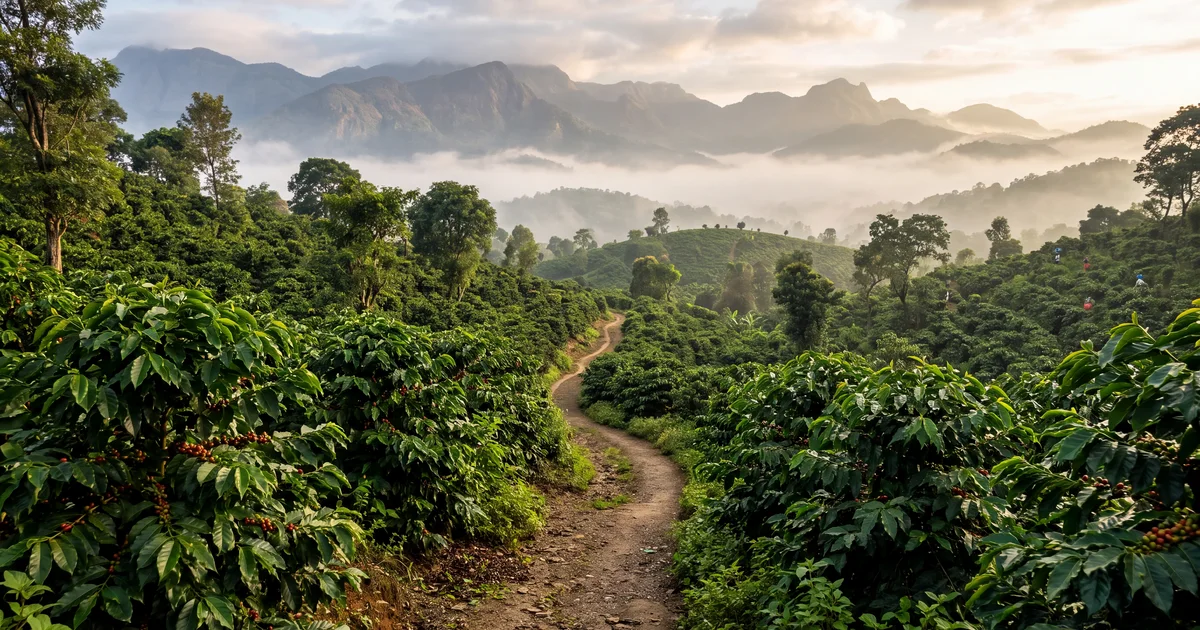
Most people find Sakleshpur by accident. Someone suggests a weekend drive from Bangalore, you end up on NH75 past Hassan, and suddenly the landscape switches from dry Deccan scrub to coffee estates and pepper vines at 900 metres above sea level. The Western Ghats start here, and they do not ease into it.
The town itself is small. One main road, a few provision stores, a bus stand. Nobody visits Sakleshpur for the town. They visit for what surrounds it: 40 km of coffee and cardamom plantations in every direction, the Bisle Reserve Forest to the south, Manjarabad Fort on a hill overlooking the valley, and some of the quietest homestays in Karnataka.
Places to visit in Sakleshpur fall into three categories. First, viewpoints and forts you can drive to. Second, coffee estates where you walk, eat, and do nothing useful for 48 hours. Third, treks that range from a gentle forest walk to a two day Western Ghats crossing. Most visitors from Bangalore combine two of these in a weekend. The ambitious ones try all three and come back needing a second weekend to recover.
TL;DR
- Drive from Bangalore: 220 km, 4 to 5 hours via NH75
- Best viewpoint: Bisle Ghat (permission needed, go before 3pm)
- Best for history: Manjarabad Fort (star shaped Tipu Sultan fort, 20 minutes from town)
- Best trek: Railway trek to Subramanya (tunnels, bridges, Western Ghats crossing)
- Best season: October to February (cool, green, roads passable)
Manjarabad Fort
Manjarabad Fort is 7 km from Sakleshpur town and the one place everyone visits first. Tipu Sultan built it in 1792 as a star shaped fortification, modeled on French military architecture. The star is visible from above (Google Maps satellite view confirms it) but from the ground, you see stone walls, a moat, underground chambers, and a view that extends to the Ghats.
The climb from the parking lot takes 10 minutes on paved steps. Inside the fort, the magazine rooms and watch towers are intact. There is an ASI ticket counter at the entrance charging 25 rupees for Indians.
The fort works as a morning stop on a Sakleshpur trip. Get there by 8am before the tourist buses arrive. By 10am on weekends, the parking lot fills and the narrow ramparts feel congested.
One thing the fort does not have: shade. The entire hilltop is exposed basalt. In summer, the stone radiates enough heat by 11am to make walking uncomfortable. Carry water and a cap.
Bisle Ghat viewpoint
Bisle is the reason photographers make repeated trips to Sakleshpur. The viewpoint sits at 850 metres, looking out over the Bisle Reserve Forest: a valley of rainforest that drops to the coast, with Kumara Parvatha, Pushpagiri, and Patla Betta visible on clear days.
Getting there is half the experience. The road from Sakleshpur to Bisle is 25 km of ghat road through coffee and areca plantations, single lane in places, with sharp switchbacks. In monsoon, this road can close due to landslips. Check with locals or your homestay before driving.
You need a forest department permit to enter Bisle Reserve. The check post is at the viewpoint itself. Permits cost 100 rupees per person and are available on the spot, but the gate closes at 5pm. Aim to arrive by 2pm for unhurried time at the viewpoint.
A real opinion: Bisle on a foggy day is disappointing. You see 50 metres of grey and nothing else. If clouds are sitting low when you leave your homestay, postpone to the afternoon or the next morning. The valley view in late afternoon light, when the mist lifts and the Ghats glow orange, justifies the drive by itself.
Coffee estate walks
Sakleshpur grows Arabica and Robusta coffee at elevations between 700 and 1,100 metres. Most homestays in the area sit inside working plantations, and a walk through one is almost mandatory.
The blossom season in March brings a jasmine like fragrance across the estates. Harvest runs from November to January, when you can watch pickers at work and see the pulping and drying process. Outside these windows, the estates are quiet green corridors with pepper vines climbing silver oak trees, cardamom growing in the shade underneath, and birds everywhere.
No formal ticketed "coffee estate tour" exists in Sakleshpur the way it does in Coorg. What happens instead is more personal: your homestay owner walks you through their 20 acre plantation, explains why Robusta grows lower and Arabica needs shade, and hands you a cup of filter coffee made from beans they roasted that morning. This is worth more than any guided tour.
If you want a specific estate to visit, ask at your homestay. Plantations in the Hanbal and Yeslur areas (15 to 20 km from town) are particularly scenic, with canopy cover dense enough to block the midday sun.
The caveat: estate walks in monsoon mean leeches. Tuck your trousers into your socks, carry salt, and accept that one or two will find you anyway. It is part of the Malnad experience.
The railway trek (Sakleshpur to Subramanya)
This is the trek most people come to Sakleshpur specifically for. A 52 km disused railway line between Sakleshpur and Kukke Subramanya passes through the Western Ghats, crossing 10 tunnels (some over 700 metres long, completely dark), multiple bridges over river gorges, and dense forest.
Most trekking groups do a shorter 20 km section starting from Donigal or Green Route. The full 52 km takes two days. You walk on the actual rail bed, through tunnels where your phone flashlight is the only light source, and across bridges with no railings and a river 30 metres below.
The trek is moderate in terms of elevation. Flat rail bed for most of the route, with the gradient that a train would need. The difficulty comes from the distance, the dark tunnels (some have water pools inside), and the bridges where you step on sleepers with gaps between them.
October to February is the safe season. The tunnels flood in monsoon and the bridges become slippery. Group operators from Bangalore run fixed departures on weekends, handling transport, guides, and camping gear. For listings and dates, check TripzSearch.
A fair warning: Indian Railways has been talking about converting this line for years. If the Konkan Railway restoration project restarts, the trek will close. For now, it remains open and remains one of the few treks in India where you walk through active railway tunnels.
Jenukal Gudda
Jenukal Gudda is the highest peak in the Sakleshpur range at 1,175 metres. The name translates to "honey rock hill" in Kannada, and the summit is a massive exposed rock face with views of the Hemavathi river valley.
The trek starts from Ethina Bhuja village (about 30 km from Sakleshpur), takes 3 hours up on a moderate trail through forest and grassland, and reaches a summit where you can see paddy fields, plantations, and the Ghats fading into the haze to the west.
Go early. By 10am, the summit rock heats up and there is no shade for the last 45 minutes. Carry at least 2 litres of water. The trail is not marked in places and forks in the grassland section. Going with a group or a local guide avoids the wrong turns.
The best months are November to January, when the grasslands turn gold and the morning air at the summit hovers around 10 degrees Celsius.
Agni Gudda
Agni Gudda (Fire Hill) is the easiest trek near Sakleshpur. A temple sits on top and a paved path leads most of the way. The climb takes about 30 minutes from the base, which is right at the edge of Sakleshpur town.
The hill is modest, around 200 metres of elevation gain. The view from the top covers the town below, the surrounding estates, and the Ghats to the west. It works as a sunrise spot if your homestay is in town.
There is nothing strenuous about Agni Gudda. It is a good option if you have an hour free, want to stretch your legs, or are travelling with children or older family members who find longer treks impractical.
Hadlu waterfalls
Hadlu is a two tier waterfall about 15 km from Sakleshpur, near the village of Hadlu. The waterfall is at its best from August to November, when the Malnad rains fill it properly. By February, the flow reduces to a trickle.
The approach is a 1 km walk from where you park, through an areca plantation and across a stream. Shoes with grip are necessary because the path is rocky and wet. There are no safety railings or developed facilities at the falls.
Swimming in the pool at the base is possible but check the current before stepping in. The water is cold year round, and the flow is strong enough in peak monsoon to be genuinely dangerous. Go in October or November for the balance of good flow and manageable current.
Where to stay in Sakleshpur
Sakleshpur's accommodation is almost entirely homestays, and that is the point. The Malnad homestay tradition predates commercial tourism. Families with coffee or pepper plantations converted extra rooms for guests, served home cooked meals, and let visitors walk through their estates.
Expect to pay 2,000 to 5,000 rupees per night for a double room with meals included (breakfast, lunch, and dinner). The higher end places add bonfire setups, estate guided walks, and private sit outs overlooking the valley. Budget homestays are basic: a clean room, hot water, and three meals that will be the best food of your trip.
Book directly when possible. Aggregator sites list some Sakleshpur homestays, but many of the better ones operate only on phone bookings. Ask for Hanbal Road, Yeslur, or Bisle Road homestays for the best location and views.
The honest caveat about Sakleshpur stays: "luxury resort" options are thin. If you need a swimming pool, spa, and buffet breakfast, this is the wrong destination. Sakleshpur is for people who find a rocking chair on a plantation veranda and a cup of estate coffee sufficient entertainment.
How to reach Sakleshpur from Bangalore
By car: Take NH75 (Bangalore to Mangalore highway) through Nelamangala, Kunigal, and Hassan. The total distance is 220 km. The road is four lane until Hassan and narrows to two lane after. Budget 4 to 5 hours including one chai stop.
By bus: KSRTC runs Rajahamsa and ordinary buses from Kempegowda Bus Station (Majestic) to Sakleshpur. The journey takes about 5.5 hours. Morning departures at 6am and 7:30am are the most convenient.
By train: The nearest major station is Hassan (38 km). Trains from Bangalore to Hassan take 3 to 4 hours. From Hassan, local buses or a hired car cover the remaining distance in under an hour.
The NH75 drive is the most popular option because the road passes through landscapes that shift from plateau to ghat in real time. The section after Hassan, with the road climbing through cardamom plantations and eucalyptus forest, sets up the Sakleshpur experience before you arrive.
A two day Sakleshpur plan
Day 1: Leave Bangalore by 6am. Reach Sakleshpur by 10:30am. Check into your homestay. After lunch, drive to Manjarabad Fort (30 minutes). Spend an hour at the fort. Return to the homestay for an estate walk in the late afternoon. Dinner and sleep.
Day 2: Early morning drive to Bisle Ghat viewpoint (45 minutes). Spend 1.5 hours at the viewpoint. On the way back, stop at Hadlu waterfalls if it is October or November. Pack lunch at the homestay and drive back to Bangalore, reaching by 5pm.
If you have a third day, replace the Bisle morning with the railway trek (group departure) or the Jenukal Gudda trek. Both are full day activities.
For group trips and weekend departures from Bangalore that cover Sakleshpur, browse the listings on TripzSearch. Operators handle transport, stays, and sometimes guided treks, which saves the planning effort for a two day trip.
Browse destinations on TripzSearch for more Western Ghats weekend options.
Frequently asked questions
- How far is Sakleshpur from Bangalore?
- Sakleshpur is about 220 km from Bangalore via NH75 (the Mangalore highway). The drive takes 4 to 5 hours depending on Nelamangala and Kunigal traffic. KSRTC runs direct buses from Kempegowda Bus Station, and the journey takes around 5.5 hours by bus.
- What is the best time to visit Sakleshpur?
- October to February is the best window. The monsoon greenery stays through November and mornings are cool at 12 to 18 degrees Celsius. Monsoon months from June to September bring heavy rain, which makes the landscape lush but muddy. The Bisle Ghat road gets tricky in heavy rain.
- Is Sakleshpur worth visiting for a weekend?
- Yes. Two days give you enough time to visit Manjarabad Fort, drive through a coffee estate, and catch the Bisle Ghat viewpoint. If you add a third day, you can do the Kumara Parvatha base trek or the disused railway trek on the Sakleshpur to Subramanya line.
- What food is Sakleshpur known for?
- Sakleshpur sits in the Malnad region, known for akki roti, kadabu, neer dosa, and fresh pork dishes. Most homestays serve traditional Malnad meals cooked on wood fire stoves. Coffee is everywhere, usually estate grown and filter brewed. Try the pandi curry if your homestay offers it.
- Can I visit Sakleshpur without a car?
- You can reach Sakleshpur by KSRTC bus from Bangalore. Once there, local autos and shared jeeps connect to Manjarabad Fort, Bisle, and nearby estates, but service is irregular. Hiring a local vehicle for a day costs 1,500 to 2,500 rupees and saves time. Most homestays also arrange transport.
- Are there treks near Sakleshpur?
- The disused railway trek between Sakleshpur and Subramanya passes through 10 tunnels and over several bridges across the Western Ghats. Kumara Parvatha, a two day trek, starts from Kukke Subramanya about 50 km away. Ombattu Gudda is a moderate day trek accessible from Sakleshpur town.