Best Places to Visit in Panchgani (2026): Table Land, Views and Weekend Escapes
10 best places to visit in Panchgani in 2026, from Table Land to Parsi Point, with honest timing tips and what most guides skip.
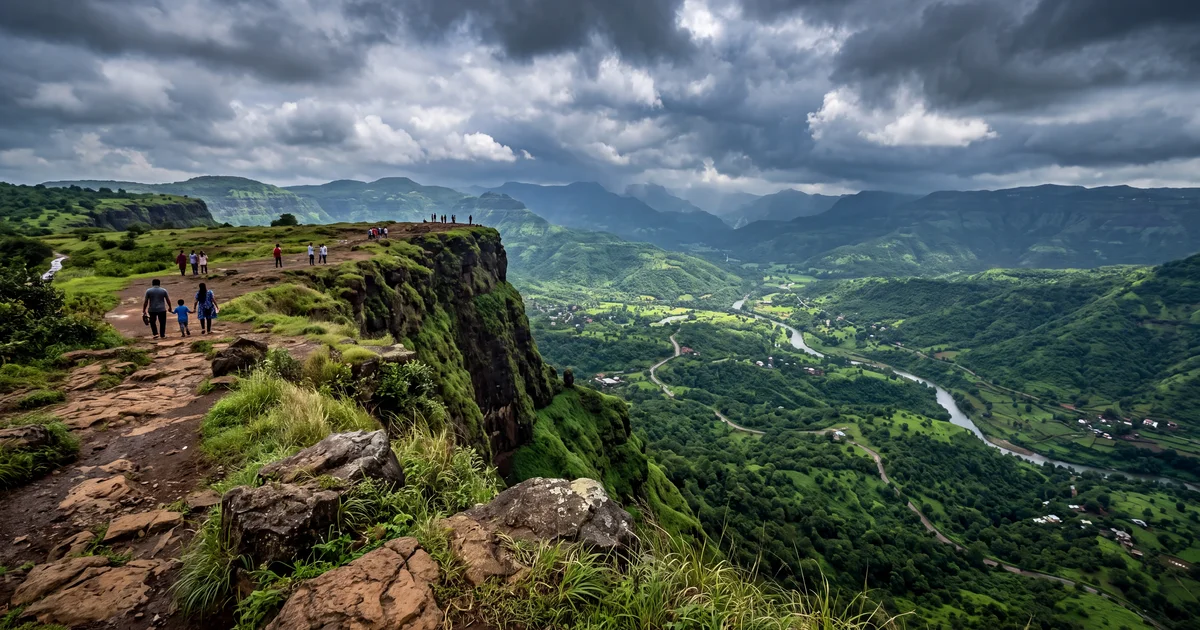
Panchgani is a small hill station on a volcanic plateau in Maharashtra's Sahyadri range, 1,334 metres above sea level. It sits 100 km from Pune and 18 km short of Mahabaleshwar, and most people treat it as the less famous sibling you drive through on the way to somewhere else.
That is a mistake. The town has one of the flattest volcanic plateaus in Asia (Table Land, second only to one in Kenya), five distinct viewpoints each facing a different valley, strawberry farms that predate the Mahabaleshwar ones by a decade, and a heritage Parsi and British boarding school culture that left behind bungalows, churches and a pace of life that the bigger hill station has mostly traded for tourist shops.
About 800,000 visitors come through Panchgani annually. Most of them park at Table Land, take a horse ride, eat strawberries with cream at Mapro, and leave. This guide covers 10 places to visit in Panchgani that go beyond the parking lot circuit, with actual timing advice, honest notes on what to skip, and how to fit the town into a Pune weekend without rushing.
TL;DR
- Panchgani sits at 1,334 metres in the Western Ghats, 100 km from Pune (2.5 hours) and 18 km from Mahabaleshwar.
- Best season is October to February. Strawberry season peaks December through February.
- A single full day covers the highlights. Two days gives you breathing room and the Bhilar village walk.
- Table Land entry is 30 rupees. Most other spots are free.
- Browse weekend trips from Pune and group getaways that include Panchgani on TripzSearch.
Table Land: the flat volcanic plateau that defines Panchgani
Table Land is a laterite plateau stretching roughly 95 acres at the top of Panchgani. It is flat. Properly, absurdly flat. You could play cricket on it, and people do. On clear mornings you can see the Krishna Valley to the south and the Dhom Dam reservoir glinting in the distance, maybe 15 km away.
The appeal is simple: open space, 360 degree views, and nothing blocking the sky. After spending hours in a car climbing ghats, the sudden flatness feels like someone hit pause on the geography.
Horse rides (200 to 500 rupees) and a small toy train circuit operate on the plateau daily. Vendors sell corn, strawberries with cream, and chai at the edges. None of it is remarkable, but it sets a mood. The plateau gets crowded by 10 AM on weekends with school groups and families. If you want photos without 40 people in the background, arrive before 7:30 AM.
One honest caveat: the eastern edge of Table Land has eroded over the years and the fencing is inconsistent. Watch children near the drops, especially in monsoon when the laterite gets slick.
What makes Parsi Point different from every other Panchgani viewpoint?
Parsi Point faces west toward the Krishna Valley and catches sunset light that the other viewpoints miss entirely. The valley floor sits about 700 metres below, and on clear evenings the light turns the terraced farmland gold and orange in layers. I think this is the single best sunset viewpoint in the Sahyadri range outside of Mahabaleshwar's Arthur Seat.
The point itself is small. A paved path, a railing, a few benches. Vendors sell bhel puri and cutting chai. That is it. No rides, no attractions, no entry fee. Just a cliff, a valley, and light.
The name comes from the Parsi community that built much of Panchgani's early infrastructure. Several Parsi boarding schools (including the famous Billimoria) still operate in town, and the architecture along the main road tells that story better than any plaque.
Get there by 5 PM in winter months. Sunset hits around 6:15 PM in October. The road to Parsi Point is narrow and parking is limited to maybe 20 cars, so autorickshaws from the bus stand (40 to 60 rupees) are a better bet on weekends.
Sydney Point: where you can count all five hills
Panchgani means "five hills" in Marathi, and Sydney Point is the only viewpoint where you can count all five ridges in a single frame. It faces the Krishna Valley from the south side of town and offers a different angle than Parsi Point, wider and less dramatic but more informative about the geography.
The point also looks directly down at the Dhom Dam and the confluence of the Krishna and Venna rivers. On a November morning, the water bodies catch early light while the valleys below are still in shadow. It is a 10 minute drive from Table Land.
Skip Sydney Point on overcast days. Without the depth that comes from layered light and shadow, the view collapses into a flat wall of green. Save it for a clear morning instead.
Devil's Kitchen: the volcanic caves most tourists rush through
Devil's Kitchen is a formation of basalt caves at the edge of Panchgani where the Pandavas supposedly hid during their exile. The mythology is standard Sahyadri fare (every second cave in Maharashtra claims Pandava residency). But the caves themselves reward you if you slow down.
The passages are narrow. Some require ducking under overhangs where the basalt has split into layers. Inside, the temperature drops noticeably, maybe 5 to 7°C cooler than outside. The rock faces show columnar jointing patterns, the same hexagonal basalt formations you see in Giant's Causeway photos, just smaller and less photogenic.
Most visitors spend 15 minutes and leave. If you take the lower trail past the main caves (ask the ticket booth attendant, it is poorly marked), there is a second set of rock formations overlooking a ravine that gets almost no foot traffic. Budget 45 minutes total.
Not ideal for anyone claustrophobic. The ceiling height in some sections drops below 1.5 metres. Carry a phone flashlight.
Is the Bhilar waterfall trail worth the detour?
Bhilar is a village 5 km from Panchgani on the Mahabaleshwar road that the Maharashtra tourism department turned into India's first "book village" in 2017. Walls of houses are painted with Marathi poetry. Bookshelves line some front yards. It is quirky and sincere in a way that corporate tourism initiatives rarely manage.
The waterfall trail starts from the village edge and runs about 2 km through cashew and jackfruit orchards before reaching a small seasonal waterfall. In monsoon (July to September), the falls run strong enough to hear from 200 metres away. In the dry months, it thins to a trickle that is not worth the walk.
The village itself is the real attraction. Walk the poetry walls, read the Marathi verses (translations are painted alongside), buy local strawberry jam from the women's cooperative shop near the bus stop. Budget an hour for the village, 30 minutes more if the waterfall is flowing.
One thing to know: the trail gets muddy in monsoon and there are no handrails. Wear shoes with grip.
How to reach Panchgani from Pune (and which route to take)
The standard route from Pune is NH48 south toward Satara, then the Wai Ghat road up to Panchgani. Total distance: about 100 km. Driving time: 2.5 to 3 hours, more on Friday evenings when half of Pune has the same idea.
MSRTC buses run from Swargate bus stand every 2 to 3 hours. The fare is 250 to 350 rupees and the ride takes roughly 3.5 to 4 hours with stops. The buses are the standard semi luxury type. Comfortable enough for the distance.
If you are driving, the Wai Ghat road is the part that matters. It starts after Surur village and climbs 14 hairpin bends over about 20 km. Truck traffic can slow you to a crawl on weekday mornings. The road surface is reasonable (repaved in 2024), but sight lines around bends are short. Do not overtake blind.
An alternative route via Bhor and Varandha Ghat adds 30 km but is significantly more scenic and has less traffic. It joins the Mahabaleshwar road from the west. Worth considering if you are not in a rush.
From Mumbai, the distance is 250 km via the Expressway to Pune and then the same Wai Ghat route. Budget 5.5 to 6 hours with a break.
Harrison Folly and Rajpuri Caves: the spots most Panchgani lists leave out
Harrison Folly (also called Harrison's Point) is a viewpoint on the Mahabaleshwar road about 3 km past Panchgani town. It looks over the Wai Valley from a different angle than the other points, catching late afternoon light particularly well. There is no official parking, just a shoulder pullover. No entry fee. Maybe 5 people visit on a weekday afternoon. I prefer it to the more famous viewpoints when I want quiet.
Rajpuri Caves are 12 km south of Panchgani near Wai town, a temple complex built into a natural rock overhang with freshwater springs. The springs feed pools considered sacred, and pilgrims visit year round. For non pilgrims, the caves are worth 30 minutes for the rock architecture and the cold spring water alone. Carry a water bottle; you can refill from the springs.
Neither of these appears in most Panchgani tourist guides. Both are better than at least three spots that do.
When to visit Panchgani (and when to avoid it)
October to February is the window. Temperatures sit between 10°C at night and 25°C during the day. Skies are clear most mornings, fog is rare, and the light at viewpoints is at its best. This is also strawberry season, and the farms between Panchgani and Mahabaleshwar are full of ripe fruit from December onward.
Monsoon (June to September) transforms the plateau. Everything turns green, waterfalls appear on every cliff face, and the Krishna Valley below fills with mist that rises and falls like slow breathing. The problem: viewpoints become unreliable. Some mornings you see 50 km. Some mornings you see 5 metres. If you are the type who finds fog romantic rather than frustrating, monsoon is extraordinary. Otherwise, stick to winter.
Avoid April and May. The plateau bakes in the 30s, the ground is brown and dry, and the viewpoints shimmer with heat haze. Nothing about Panchgani works in summer.
Weekends are crowded from October to January. If you can manage a Thursday to Friday visit instead, you will have Table Land nearly to yourself.
Mapro Garden: tourist trap or worth the stop?
Mapro Garden is technically on the Panchgani to Mahabaleshwar road, about 6 km from Panchgani center. It is the most commercially successful tourist attraction in the region, and opinions on it are strong.
Here is what it is: a large garden, a strawberry themed shop, a café, and a product display for Mapro jams, syrups and chocolates. Entry is free. The strawberry pizza (yes, really) is oddly good. The ice cream is above average. The product shop sells things 20 to 30% cheaper than Mumbai retail prices.
Here is what it is not: a genuine farm experience. The actual strawberry cultivation happens elsewhere. This is retail with landscaping. If you go expecting pastoral charm, you will be disappointed.
For families with kids, Mapro works. There is space, the food is reliable, bathrooms are clean, and the parking lot is massive. For couples or solo travellers, spend the time at Bhilar village instead. More character, better stories.
Panchgani for a weekend: a sample two day plan
Day one: Leave Pune by 6 AM. Reach Panchgani by 8:30 AM. Go directly to Table Land before the crowds hit. Spend 90 minutes on the plateau. Drive to Parsi Point (10 minutes) for mid morning views. Lunch at one of the Mahabaleshwar Road restaurants (Hotel Panchgani or Rainforest both serve decent Maharashtrian food). Afternoon at Devil's Kitchen (45 minutes). Sunset at Parsi Point. Return for dinner and sleep.
Day two: Early morning at Sydney Point for the five hill view (best light: 7 to 8 AM). Drive to Bhilar for the poetry village walk and waterfall trail (90 minutes). Stop at Mapro Garden or a roadside strawberry farm on the way back. Optionally, continue 18 km to Mahabaleshwar for Arthur Seat and Wilson Point. Head back to Pune by 3 PM to beat the evening traffic on the ghat.
Two days is enough. You will not feel rushed. If you want to combine this with group trips or extended weekend options, browse what is available on TripzSearch for departures from Pune.
Frequently asked questions
- What is the best time to visit Panchgani?
- October to February brings the clearest skies and temperatures between 10 and 25°C. Strawberry season peaks from December through February and that is when the roadside stalls fill up. Monsoon (June to September) makes everything impossibly green but fog can blank out viewpoints entirely on heavy rain days. April and May hit 35°C and the hill station loses its only advantage over the plains.
- How far is Panchgani from Pune and how do I get there?
- Panchgani is about 100 km from Pune via the NH48 and Wai Ghat road, roughly 2.5 to 3 hours by car depending on truck traffic after Surur. MSRTC buses run from Swargate every 2 to 3 hours and cost around 250 to 350 rupees. The Wai Ghat stretch has some sharp bends, so if you are driving in monsoon, keep speeds low and avoid overtaking on curves.
- How many days are enough for Panchgani?
- One full day covers Table Land, Parsi Point, Sydney Point and a strawberry farm stop if you start early. Two days lets you add Devil's Kitchen, the Bhilar poetry village walk, a Mapro Garden visit and a relaxed evening watching sunset from Harrison Folly. Most Pune weekenders do an overnight trip and that works well enough.
- Is Panchgani good for a family trip with kids?
- Yes. Table Land is flat and open, so kids can run freely. Horse rides and toy train rides operate there daily (50 to 200 rupees). The strawberry farms between Panchgani and Mahabaleshwar let children pick fruit directly. Avoid Devil's Kitchen with very young kids because the cave passages get narrow and slippery. The overall pace of Panchgani suits families better than busier hill stations like Lonavala.
- What is the entry fee for Table Land in Panchgani?
- Table Land entry costs 30 rupees per person (as of early 2026). Parking is 50 rupees for a car. Horse rides on the plateau cost 200 to 500 rupees depending on distance. No booking is needed. The plateau is open from sunrise to 9 PM, but the best light and fewest people are before 8 AM on weekdays.
- Can I visit both Panchgani and Mahabaleshwar in one trip?
- Absolutely. They are only 18 km apart (about 30 minutes by road). Most visitors use Panchgani as a base and do Mahabaleshwar viewpoints as a day trip, or vice versa. Two nights in one town and day trips to the other covers both comfortably. A single day for both is possible but rushed. Check [weekend trips from Pune](/from/pune) for itineraries that combine both.
- Is Panchgani safe to visit during monsoon?
- The roads remain open through monsoon, though the Wai Ghat section gets slippery and fog reduces visibility. Table Land stays accessible but can be windy and wet. Viewpoints like Sydney Point lose their appeal when clouds sit at plateau level. The upside: waterfalls appear everywhere, the valleys turn a green you will not see in any other season, and hotel rates drop 30 to 40%. Visit midweek for the quietest experience.