Best Places to Visit in Northeast India (2026): States, Seasons and Where to Start
Best places to visit in northeast India in 2026 with state by state tips, travel seasons, costs and an honest take on what to skip.
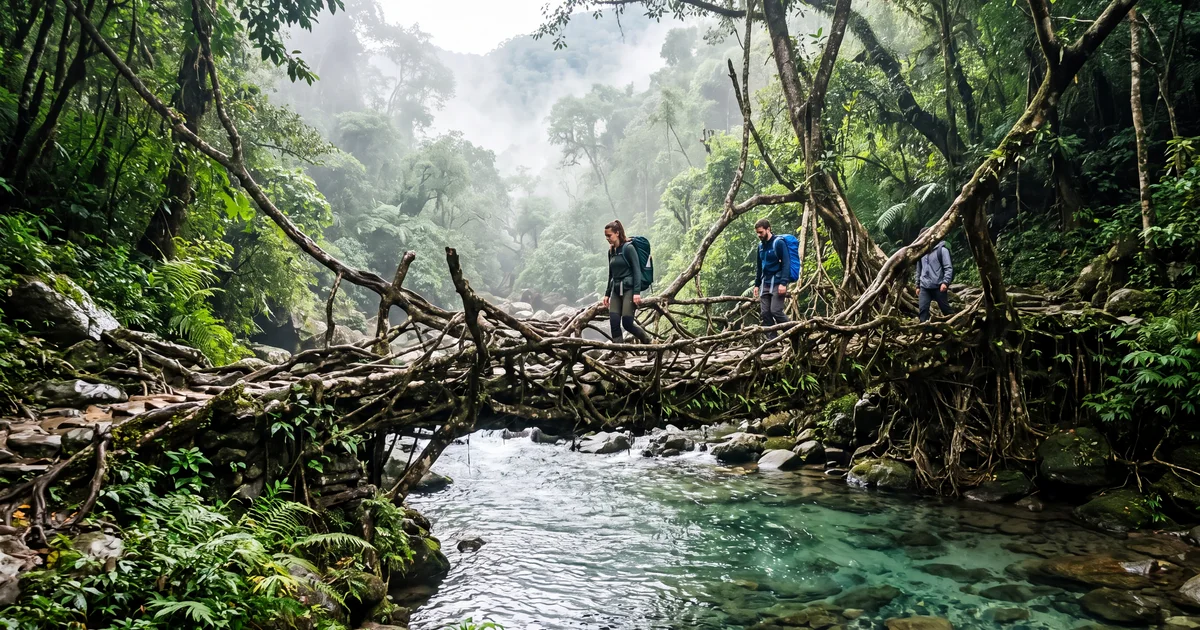
Northeast India is eight states pressed between Bhutan, Myanmar, Bangladesh, and China, connected to the rest of India by a corridor barely 22 km wide at Siliguri. The places to visit in northeast India range from living root bridges older than most Indian railway stations to one horned rhinos visible from Jeep tracks inside Kaziranga. Six of the eight states sit above 1,000 metres, and the rainfall in parts of Meghalaya exceeds 11,000 mm a year.
The region is not one destination. It is several, spread across road networks that punish anyone who tries to rush. A 200 km drive in Arunachal Pradesh can take 8 hours. That geography is also why the northeast stays relatively uncrowded compared to Himachal or Rajasthan. Fewer people make the effort, and those who do tend to come back.
This guide covers the places worth the effort in 2026, state by state, with honest notes on what to skip and when to go.
TL;DR
- Pick 1 to 2 states per trip; the roads make covering all eight impractical in under 3 weeks
- October to November is the best window: clear skies, green landscapes, manageable roads
- Guwahati is the main flight gateway; budget 3 to 14 hours onward by road depending on destination
- Permits (free, online) are needed for Arunachal Pradesh, Nagaland, and Mizoram
- A group trip handles the logistics that make solo planning difficult: permits, shared Sumos, and valley roads with no phone signal
Which States Should You Visit First?
The question most first timers ask. Start with Meghalaya and Assam. They share a border, Guwahati sits right between them, and the infrastructure handles tourists better than the more remote states. Sikkim is the other strong first choice, accessed via Bagdogra airport near Siliguri.
Save Arunachal Pradesh and Nagaland for your second trip. Not because they are less rewarding (they might be more so) but because the permit process, road conditions, and sparse accommodation require more planning than a quick holiday allows.
Manipur, Mizoram, and Tripura see very few tourists. They have genuine charm, especially Manipur's Loktak Lake and Mizoram's hill villages, but almost no tourist infrastructure outside state capitals. Go if you are comfortable with unpredictable logistics.
Meghalaya: Living Root Bridges, Waterfalls and the Cleanest Air You Will Breathe
Meghalaya sits on the Shillong Plateau, 1,500 metres above the Bangladesh floodplains. It receives more rainfall than almost anywhere on earth. That water feeds hundreds of waterfalls and grows forests dense enough to swallow sound.
Cherrapunji and the Root Bridges
The double decker living root bridge at Nongriat is the headline. Getting there takes 3,500 steps down from Tyrna village. The climb back up takes 3 hours for most people. Stay overnight at Nongriat (500 to 800 per night, basic rooms) rather than attempting a round trip in one day.
If 3,500 steps sound excessive, Riwai village near Mawlynnong has a single root bridge reachable in a 10 minute walk. Mawlynnong itself is worth the stop for its almost absurd cleanliness.
One caveat: the monsoon months (June to September) make the Nongriat descent dangerous. Slippery steps, swollen streams, and zero mobile signal in the valley. October and November are the sweet spot.
Dawki and the Umngot River
The clear water photos are real. Between November and March, the Umngot River at Dawki is transparent to 15 feet depth. Boats appear to hover. A 30 minute ride costs 800 to 1,200 depending on season. By monsoon the clarity disappears completely.
Dawki sits on the Bangladesh border, 80 km from Shillong (3 hours by road). Combine it with Mawlynnong in a day trip, or stay at one of the basic guesthouses if you want the river at sunrise before the tour buses arrive at 10 AM.
Shillong
The state capital works as a base, not a highlight. Ward's Lake and Don Bosco Museum fill a half day. The real draw is the food scene: Jadoh (rice cooked in pork blood), Doh Khleh (pork salad), and Tungrymbai (fermented soybean chutney) at local stalls near Police Bazaar. Shillong cafes serve surprisingly good coffee for a town this small.
How to Plan a Northeast India Trip from Bangalore or Delhi?
Guwahati is your gateway. Direct flights from Delhi land in about 3 hours. From Bangalore, connections through Delhi or Kolkata add 2 to 4 hours.
From Guwahati, the road distances are deceptive:
- Shillong: 100 km, 3 hours by shared Sumo (250 per seat)
- Kaziranga: 230 km, 4.5 hours on NH37
- Tawang (Arunachal): 480 km, 12 to 14 hours over Sela Pass at 4,170 metres
- Gangtok (Sikkim): 560 km, 10 to 12 hours (or fly to Bagdogra, then 4.5 hours)
The shared Sumo network is the backbone of northeast transport. Seven seater Toyota Sumos depart early morning from fixed stands in every town. They leave when full, not on schedule. Expect cramped seating and stops for tea at unlikely locations. It works, but it is not comfortable.
Booking a group trip is the practical alternative for first timers. The operator handles permits, transport, and local guides, which removes the three biggest planning headaches in the northeast.
Sikkim: Kangchenjunga, Monasteries and the Cleanest State in India
Sikkim is 7,096 square km, smaller than most Indian districts. Within that space it rises from 300 metres in the south to 8,586 metres at Kangchenjunga. The altitude range creates everything from subtropical forest to glaciers in a single day's drive.
Gangtok
The capital is a base camp, not the destination itself. MG Marg (the pedestrian main street) is pleasant for an evening walk. The real reason to be here is arranging permits for North Sikkim and sorting transport to Tsomgo Lake and Nathula Pass.
Worth visiting: Rumtek Monastery (24 km from Gangtok), the largest in Sikkim, housing a 900 year old reliquary. Go on a weekday morning. The weekend crowds strip the atmosphere.
Tsomgo Lake and Nathula Pass
Tsomgo (Changu) Lake sits at 3,753 metres, 40 km from Gangtok. It freezes partially between December and March. The drive takes 2 hours on a decent road. Nathula Pass (4,310 metres) on the India, China border is another 20 km beyond. Indian citizens need a permit arranged through a Gangtok travel agent (typically bundled in a day trip for 2,500 to 3,500 per person).
Skip both if you are visiting between June and September. Fog and rain make the drive risky and the views nonexistent.
Pelling and West Sikkim
Pelling is where you go for the Kangchenjunga view. On a clear morning (October to December is best), the 8,586 metre peak fills the western sky. The Skywalk at Pelling (opened 2023) offers a glass floor overlook at 7,200 feet. Rabdentse Ruins and Pemayangtse Monastery are both within 3 km.
Pelling is 130 km from Gangtok (5 hours by road). Most visitors combine it with Ravangla and the 130 foot Buddha Park statue.
North Sikkim (Lachen and Lachung)
Gurudongmar Lake at 5,183 metres and Yumthang Valley are the draws. Both require permits (arranged through Gangtok agents, 48 hours advance). The road to Gurudongmar is rough even by Sikkim standards. Altitude sickness is a real risk above 4,500 metres; acclimatize in Lachen for a night before attempting the lake.
The valley blooms with primulas and rhododendrons between late March and May. In December, it is frozen and white. Both versions are worth seeing.
Assam: Kaziranga, Tea and the Brahmaputra
Assam is the most accessible northeast state. It sits in the Brahmaputra valley, mostly flat, mostly warm, and connected by NH37 (one of the better highways in the region).
Kaziranga National Park
Home to two thirds of the world's one horned rhinoceros population (roughly 2,600 animals at the 2022 census). Kaziranga also has more tigers per square km than most other Indian parks, though sightings are rarer than rhinos.
Jeep safaris run from October to April. The Western Range (Kohora) is the most popular for rhinos. The Central Range (Kohora gate) offers the broadest landscape views. Book government Jeep safaris online (3,000 to 4,000 per person for a 3 hour morning ride including entry fees).
Elephant safaris were suspended and have been replaced by Jeep only access in most zones. Verify current status before your trip. The park closes completely during monsoon (May to September) when the Brahmaputra floods large sections.
One thing most guides skip: the drive from Guwahati to Kaziranga (4.5 hours) passes through tea country. Stop at any estate offering tastings. Halmari or Manohari tea estates are tourist friendly.
Majuli Island
The world's largest river island sits in the Brahmaputra, 350 km east of Guwahati. Ferry from Nimati Ghat (Jorhat) takes 1 to 2 hours depending on water levels. Majuli is home to Vaishnavite satras (monasteries) dating back 500 years. The island is shrinking (it was 880 sq km in 1950, roughly 352 sq km now) due to erosion.
Cycle the island. Distances are manageable (30 km end to end) and the flat terrain makes it easy. Homestays cost 800 to 1,200 per night. Go between November and February for comfortable cycling weather.
Arunachal Pradesh: Tawang, Ziro and Roads That Test Your Patience
Arunachal Pradesh is India's least dense state (20 people per sq km) and one of its most visually extreme. It is also the hardest to access. Roads are bad. Permits are mandatory. Accommodation outside Tawang and Itanagar is basic.
Tawang
Tawang Monastery is the largest Buddhist monastery in India and the second largest in the world after Lhasa's Potala Palace. It sits at 3,048 metres in a valley ringed by snow peaks. The monastery houses 500 monks and a 28 foot tall gilded Buddha statue.
Getting to Tawang from Guwahati means 12 to 14 hours on mountain roads via Sela Pass (4,170 metres, often snow covered between November and March). The road improves every year but "improved" still means sections of gravel and single lane bridges. Shared Sumos leave from Tezpur and Bomdila.
In my opinion, Tawang is the single most underrated place in India. The monastery at dawn, with mist clearing to reveal snow peaks, is one of those views that photographs cannot replicate.
Ziro Valley
A UNESCO World Heritage tentative site, Ziro Valley sits at 1,500 metres in Lower Subansiri district. The Apatani tribe lives here in traditional bamboo and cane settlements. Rice paddies stretch across the flat valley floor, framed by pine covered hills.
The Ziro Music Festival (September) draws indie music fans from across India. Outside festival season, Ziro is quiet, which is the point. Talley Valley Wildlife Sanctuary (20 km from Ziro town) has good birdwatching.
Drive from Itanagar: 115 km, 5 hours. Flights to Itanagar's Donyi Polo Airport launched in 2023.
Nagaland: Hornbill Festival and Dzukou Valley
Nagaland sees fewer tourists than any other northeast state with reasonable access. The Hornbill Festival changes that for 10 days every December.
Hornbill Festival (Kisama Heritage Village)
Held December 1 to 10 at Kisama, 12 km from Kohima. All 17 Naga tribes participate with traditional dances, music, food stalls, and competitions (including chilli eating and log drumming). It is the best single event in northeast India for experiencing tribal culture without intruding on private village life.
Book accommodation in Kohima 2 months ahead. The town has limited hotels and they fill completely during the festival.
Dzukou Valley
A high altitude valley (2,438 metres) on the Nagaland, Manipur border, covered in seasonal wildflowers between June and September. The trek starts from Viswema village (20 km from Kohima) and takes 5 to 6 hours one way. Camping at the valley is the only option: carry your own tent and supplies.
October visits miss the flowers but offer clear valley views and fewer leeches.
What Should You Skip in Northeast India?
Some places are overhyped or not worth the travel time unless you have weeks to spare.
Agartala in Tripura has the Ujjayanta Palace, which is interesting for an hour. Beyond that, there is not enough to justify the travel time unless you are combining with Bangladesh border exploration.
Imphal in Manipur has the Ima Keithel (women's market), which is unique, but the city lacks tourist infrastructure and the surrounding areas have occasional security advisories. Loktak Lake (48 km away) with its floating phumdis is worth seeing if you are already in the state. It is not worth a standalone trip.
Cherrapunji in monsoon (June to August) sounds tempting because it is the wettest place on earth. That wetness makes roads impassable, trails dangerous, and views invisible behind cloud cover. Visit the waterfalls in October when they still flow but you can actually see them.
Budget: What Does a Northeast India Trip Cost in 2026?
A 7 day Meghalaya and Assam circuit for two people costs roughly:
- Flights (Bangalore to Guwahati return): 8,000 to 14,000 per person
- Shared Sumo transport: 250 to 500 per person per leg
- Budget accommodation (guesthouses): 800 to 1,500 per night
- Mid range hotels: 2,000 to 4,000 per night
- Food: 300 to 600 per day eating at local restaurants
- Kaziranga Jeep safari: 3,000 to 4,000 per person per ride
Total for a 7 day budget trip for two: approximately 45,000 to 60,000 (excluding flights). A group trip with transport, accommodation, and activities bundled typically runs 15,000 to 25,000 per person for 5 to 7 days, which often works out cheaper than self planning once you factor in private vehicle hire.
Check current group departures for northeast India to compare options from operators who handle the permits and logistics.
When to Go: Month by Month
October to November: The best months. Post monsoon clarity, green landscapes, 15 to 25°C across most destinations. Waterfalls still flowing. Roads repaired after rain damage.
December to February: Dry and cold. Tawang and Gangtok drop below 5°C. Kaziranga safaris run well. Hornbill Festival in December. Clear Kangchenjunga views from Pelling.
March to May: Rhododendron season in Sikkim. Comfortable in Meghalaya and Assam. Temperatures rise to 30°C plus in the plains by May.
June to September: Monsoon. Landslides close roads in Arunachal and Sikkim. Kaziranga floods and closes. Meghalaya's waterfalls peak but access becomes dangerous. Avoid unless you specifically want Ziro Music Festival (September) or Dzukou Valley flowers.
For first timers planning from Delhi or Bangalore, an October departure gives the widest range of accessible places.
Frequently asked questions
- How many days do you need for a northeast India trip?
- A single state circuit needs 5 to 7 days. Combining two states (say Meghalaya and Assam) takes 10 to 12 days. Trying to cover all seven sisters in one trip is a common planning mistake. The distances between capitals look short on a map, but mountain roads turn 200 km into 8 hour drives. Pick two states, explore them properly, and save the rest for the next trip.
- What is the best time to visit northeast India?
- October to November offers clear skies, post monsoon green landscapes, and comfortable 15 to 25°C temperatures across most states. March to May works well for Sikkim (rhododendron season) and Arunachal Pradesh before the monsoon arrives. June to September brings heavy rain, landslides on mountain roads, and leech filled trails. December to February is dry but cold in the hills (below 5°C in Tawang and Gangtok).
- Do you need permits for northeast India?
- Indian citizens need an Inner Line Permit (ILP) for Arunachal Pradesh, Nagaland, and Mizoram. The permit is free and issued online through state government portals in 1 to 3 working days. Meghalaya, Assam, Tripura, and Manipur do not require permits for Indian citizens. Foreign nationals need a Protected Area Permit (PAP) or Restricted Area Permit (RAP) for most northeast states, obtained through Indian embassies or the Ministry of Home Affairs.
- Is northeast India safe for solo travellers?
- The tourist corridors in Meghalaya, Sikkim, and Assam are safe for solo travellers including women. Crime rates in tourist areas are lower than most north Indian states. The real challenge is logistics: infrequent public transport, poor mobile network in valleys, and narrow mountain roads. Joining a group trip solves the transport problem and is the practical choice for first time visitors.
- How do you reach northeast India from Bangalore or Delhi?
- Fly to Guwahati (Lokpriya Gopinath Bordoloi International Airport), the main gateway. Direct flights from Delhi take about 3 hours. From Bangalore, flights connect through Delhi or Kolkata (5 to 7 hours total). From Guwahati, Shillong is 3 hours by road, Kaziranga is 4.5 hours, and Tawang is 12 to 14 hours. Some travellers fly into Bagdogra (near Siliguri) for Sikkim and Darjeeling instead.
- What is the most beautiful state in northeast India?
- Meghalaya and Sikkim trade the top spot depending on what you value. Meghalaya has the living root bridges, impossibly clear rivers, and the wettest place on earth. Sikkim has Kangchenjunga views, Buddhist monasteries, and high altitude lakes. For wildlife, Assam wins with Kaziranga. For tribal culture, Nagaland during the Hornbill Festival in December is unmatched.