Best Places to Visit in Kerala (2026): Backwaters, Hills and Beaches Beyond the Brochure
A practical guide to the best places to visit in Kerala in 2026 with honest tips on backwaters, Munnar, Wayanad and what to skip.
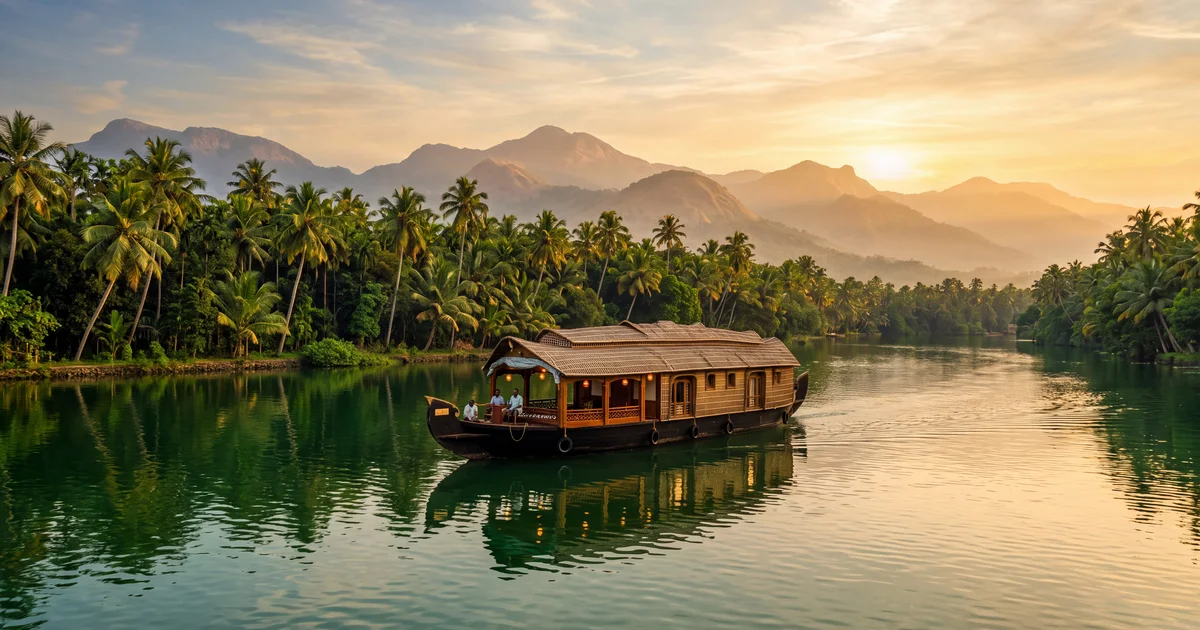
Kerala markets itself as "God's Own Country," which is the kind of tagline that makes you expect either paradise or disappointment. The reality sits somewhere in between, depending entirely on where you go and when.
The state runs 580 km along India's southwestern coast, from Kasaragod in the north to Thiruvananthapuram in the south. In that strip you get backwaters, hill stations above 1,500 metres, wildlife reserves, 600 km of coastline, and a food culture that makes most other Indian states look like they are not trying. The problem is that most visitors follow the same Kochi to Munnar to Alleppey circuit and miss roughly 70% of what the state offers.
This guide covers what is worth your time in 2026, what the tourist circuit gets wrong, and how to plan a trip that goes beyond the houseboat photo.
TL;DR
- The backwaters are real, but pick the right boat. Alleppey premium houseboats are worth the extra cost over budget ones.
- Munnar is overrun on weekends. Visit midweek or try Vagamon instead.
- Wayanad is the better hill station for trekking and wildlife. Fewer crowds, more forest.
- Varkala beats Kovalam for beaches in 2026. Lower prices, better cliff views, younger crowd.
- Best time: October to March for dry weather. June to August for monsoon atmosphere at budget rates.
What Makes the Kerala Backwaters Worth Visiting?
The backwaters are a 900 km network of lagoons, canals, and lakes running parallel to the Malabar Coast. Five rivers feed into them. Alleppey (Alappuzha) is the main hub, but the less visited sections near Kumarakom and Kollam offer quieter experiences.
Alleppey houseboats are the standard experience. A converted rice barge (kettuvallam) with a bedroom, a small deck, and a cook who prepares Kerala meals on board. The boat cruises through canals lined with coconut palms, past villages where people wash clothes at the water's edge, and through wider lake sections where the horizon flattens to water and sky.
The price range is wide. Budget boats (5,000 to 7,000 per night) run on diesel, have basic mattresses, and serve passable but not memorable food. Premium boats (12,000 to 20,000) use newer vessels, better food, and quieter routes. The difference is significant enough that the budget option sometimes sours the whole experience. If you are doing this once, spend more.
Kumarakom sits on the eastern shore of Vembanad Lake, 15 km from Alleppey. The bird sanctuary here attracts migratory species from October to February. The backwater experience is similar to Alleppey but with fewer boats on the water. Hotels on the Kumarakom side tend to be resort style with higher price tags.
Kollam to Alleppey ferry is the non houseboat alternative. A government boat runs the 8 hour route through the full length of the backwater system for about 500 rupees. It is slow, crowded, and the most authentic way to experience the backwaters without the private boat price. Bring food and water because the onboard options are limited.
One honest caveat: the backwaters around Alleppey town are congested during December and January peak season. Fifty plus houseboats on the same stretch of canal creates a traffic jam on water. Book early and request a route through the narrower canals away from the main Punnamada Lake circuit.
Which Hill Station Should You Pick: Munnar or Wayanad?
This question comes up in every Kerala trip plan, and the answer depends on what you want.
Munnar sits at 1,532 metres in the Western Ghats, about 130 km from Kochi. The tea plantations are the visual draw. Rows of clipped green bushes cover rolling hills in every direction, and the morning mist fills the valleys. Eravikulam National Park (home to the Nilgiri Tahr) and Top Station viewpoint are the main excursion stops.
The problem with Munnar: it is too popular. Weekend traffic from Kochi and Coimbatore packs the single lane approach road. Hotel prices jump 2x to 3x on Friday and Saturday nights. The viewpoints have parking lot crowds by 10 AM. If you visit Munnar, go midweek. Tuesday to Thursday changes the experience completely. The same viewpoint that has 40 selfie sticks on Saturday has 4 people on Wednesday.
Wayanad sits at 700 to 2,100 metres in the northern Western Ghats, about 280 km from Kochi (or 100 km from Mysore). It has more forest cover, more wildlife, and fewer domestic tourist crowds than Munnar. Chembra Peak (a moderately difficult 5 hour trek with a heart shaped lake at the top) and Edakkal Caves (petroglyphs dating back over 5,000 years) are the standout activities.
The wildlife angle sets Wayanad apart. The Wayanad Wildlife Sanctuary connects to Bandipur and Nagarhole, forming one of the largest protected forest corridors in South India. Elephant sightings on the Tholpetty range are common from October to March. You will not get this in Munnar.
My opinion: Wayanad is the better choice for anyone who cares about trekking, wildlife, or quiet. Munnar is better for the tea plantation photo opportunity and for people coming from Kochi who want a shorter drive. If you have time, do both. If you have to pick one, Wayanad.
Vagamon is the third option that most guides leave out. It sits at 1,100 metres between Kottayam and Idukki, about 120 km from Kochi. Pine forests, meadows, and a fraction of Munnar's crowds. The paragliding here (October to May) launches from hills overlooking the valley. Vagamon is not as visually intense as Munnar's tea carpets, but it offers something Munnar lost years ago: quiet.
Where Are the Best Beaches in Kerala?
Kerala has 580 km of coastline, but the beach tourism concentrates on 3 or 4 spots. Some of those spots have aged badly.
Varkala has red laterite cliffs dropping 30 metres to the beach. The cliff top has cafes, guesthouses, and shops looking out over the Arabian Sea. Sunsets here are the kind that make people stop eating mid bite and stare. The beach itself is clean by Kerala standards. Swimming is safe in the marked zones but the undertow is strong further south. Varkala is 50 km north of Thiruvananthapuram and reachable by train (Varkala Sivagiri station).
Kovalam was the original Kerala beach destination in the 1970s backpacker era. It has declined. The lighthouse beach is small, crowded, and the hawker to tourist ratio is unpleasant. Hotels charge prices that made sense 10 years ago when Kovalam had fewer alternatives. Unless you have a specific resort booking at one of the cliff top properties, Varkala offers more for less.
Marari Beach near Alleppey is the opposite of Varkala's cliff scene. Flat, wide, and lined with fishing villages. Almost no commercial development directly on the sand. The few resorts here (CGH Earth's Marari Beach Resort being the best known) attract a crowd that wants silence. If you combine Marari with a backwater day trip from Alleppey, you get both experiences within a 30 minute drive.
Cherai Beach on Vypeen Island is 25 km from Kochi city. It is where Kochi locals go on weekends. The beach is long, the water is calm, and the drive includes a ferry crossing that gives you backwater glimpses without the houseboat commitment. Not a destination beach, but a good half day if you are based in Kochi.
The honest caveat about Kerala beaches: they are not Goa. The swimming culture is smaller, the beach shack scene is minimal, and the coastline is more fishing community than resort strip. That is either a drawback or an advantage depending on what you are looking for.
Is Thekkady and Periyar Worth a Stop?
Thekkady is the gateway town for the Periyar Tiger Reserve in Idukki district. It sits on most Munnar to Alleppey itineraries as a transit stop, and whether it is worth more than one night depends on your interest in wildlife.
Periyar Lake boat ride is the standard activity. The forest department runs 2 hour boat cruises on the lake that forms the core of the reserve. You might see elephants, sambar deer, and bison from the boat. Tiger sightings are extremely rare (maybe 2 to 3 per year from the boat). The morning 7:30 AM cruise has the best wildlife odds. The afternoon cruises are more scenic than productive.
Periyar Tiger Trail is a 2 to 3 day guided trek inside the reserve, sleeping in tents at forest camps. This is the serious wildlife option. Groups are small (5 to 8 people), armed forest guards accompany you, and the chances of seeing elephants, gaur, and smaller mammals increase significantly. Book through the Periyar Tiger Reserve office (KTDC counters in Thekkady). Slots fill up weeks in advance during October to February.
Spice plantations around Thekkady offer tours of cardamom, pepper, cinnamon, and tea gardens. The problem is that most "spice garden" tours are glorified gift shops that charge 300 rupees for a 20 minute walk and then funnel you into a store selling overpriced spice packets. If you want a genuine plantation visit, ask your hotel to arrange a private visit to a working estate rather than the tourist circuit ones.
One caveat: if you do not care about wildlife, Thekkady is a transit town that does not justify more than an overnight stay between Munnar and Alleppey. The lake boat ride is pleasant but rarely exceptional.
What Should You See in Kochi?
Kochi (Cochin) is where most Kerala trips start, and it deserves more than the 3 hours that some itineraries give it.
Fort Kochi is the historic quarter on a peninsula across the harbour from mainland Ernakulam. The Chinese fishing nets along the waterfront are the postcard image, but the area rewards walking. Princess Street and Burgher Street have colonial era buildings now converted into cafes, galleries, and boutique stays. The Kochi Biennale (December to March in alternating years, next in 2026 to 2027) fills these spaces with contemporary art from across Asia.
Mattancherry Palace (also called the Dutch Palace) has Kerala mural paintings dating to the 1550s that depict Ramayana scenes across the bedroom walls. The detail in the figures and colour work repays slow looking. Photography is not allowed inside, which means the only way to see them is to go. It takes about 45 minutes and costs 5 rupees entry.
Jew Town in Mattancherry has the Paradesi Synagogue (built 1568, the oldest active synagogue in the Commonwealth). The hand painted Chinese floor tiles, each slightly different, are the visual highlight. The street outside has antique shops that range from genuine to overpriced reproductions.
Ernakulam side is the working city. Marine Drive promenade along the harbour is good for an evening walk. The food here is better and cheaper than Fort Kochi tourist restaurants. For Kerala meals (fish curry, appam, puttu, and toddy), the small restaurants in Ernakulam market area serve food that locals actually eat, not tourist versions.
Give Kochi 1.5 to 2 days. One day for Fort Kochi and Mattancherry walking, half a day for the harbour, ferry rides, and Ernakulam food exploration.
How to Plan Your Kerala Trip: Routes and Duration
The routing depends on your entry point and time.
7 days (Kochi based): Kochi (1.5 days), drive to Munnar (1.5 days), drive to Thekkady (1 day), drive to Alleppey and houseboat (1.5 days), Varkala or return to Kochi (1.5 days).
10 days (comprehensive): Kochi (2 days), Munnar (2 days), Thekkady (1 day), Alleppey backwaters (1.5 days), Varkala (2 days), fly out from Thiruvananthapuram. Add Wayanad by entering Kerala from Mysore: Wayanad (2 days), drive to Kochi, then continue the circuit above.
Transport: KSRTC (Kerala State Road Transport Corporation) runs frequent buses between all major towns. Kochi to Munnar is 130 km and takes 4 to 5 hours by bus (₹200 to ₹400 depending on bus type). Private car hire runs 2,000 to 3,000 per day and is worth it for hill station drives where bus frequency drops. Trains connect Kochi, Alleppey, Varkala, and Thiruvananthapuram along the coast. The Alleppey to Varkala train takes 3 hours and costs under 200 rupees in sleeper.
Accommodation: Kerala has options at every price point. Fort Kochi homestays run 1,200 to 3,000 per night. Munnar has everything from 800 rupee rooms to 15,000 rupee resort suites. Wayanad treehouse stays (2,500 to 6,000) are a specific Wayanad experience worth trying once. Alleppey houseboat prices are covered above.
Food: Kerala cuisine is among the best in India and you should eat your way through the state. Appam with stew for breakfast, fish curry and rice for lunch, and Kerala parotta with beef fry for dinner is a day well spent. Vegetarian food is excellent too, especially the sadya (banana leaf meal) that appears during Onam festival season (August to September). Budget 200 to 500 per meal at local restaurants. Tourist area restaurants charge double for the same dishes.
Browse Kerala group trips on TripzSearch for fixed departure packages. If you are coming from Bangalore, weekend and long weekend options to Wayanad and Munnar run regularly. Check Kerala destination pages for operator reviews and upcoming departures.
Frequently asked questions
- How many days are enough for Kerala?
- Ten days covers Kochi, Munnar, Thekkady, Alleppey backwaters, Varkala, and Wayanad without rushing. A 5 to 7 day trip works if you pick one hill station (Munnar or Wayanad) plus the backwaters and one beach. Under 5 days forces hard choices and a lot of driving.
- What is the best time to visit Kerala?
- October to March is peak season with dry weather and comfortable temperatures. September and October are ideal for Ayurvedic treatments at lower rates. The monsoon months of June to August bring heavy rain but also Kathakali season, snake boat races, and green landscapes at their best. Avoid April and May unless you handle 35°C humidity well.
- Is Kerala expensive compared to other Indian states?
- Kerala is mid range by Indian tourism standards. Budget accommodation runs 800 to 1,500 per night, mid range hotels 2,500 to 5,000. A houseboat stay in Alleppey costs 5,000 to 8,000 for a standard boat and 12,000 to 20,000 for a premium one. Food is affordable at 150 to 400 per meal. The biggest cost variable is whether you hire a private car (2,000 to 3,000 per day) or use public buses.
- Can I visit Kerala during monsoon?
- Yes, and some travellers prefer it. Monsoon Kerala (June to August) has fewer tourists, lower hotel rates, and the landscape at its greenest. Waterfalls are at full flow. The Nehru Trophy boat race happens in August. The trade off is heavy rain, occasional flooding in low lying areas, and some hill station roads (especially Wayanad) becoming risky due to landslides.
- What should I skip in Kerala?
- The Alleppey public boat terminal area is chaotic and the cheapest houseboat operators cut corners on food and cleanliness. Kovalam beach has declined from its backpacker era and is now overpriced for what it offers. The commercialised spice garden tours near Thekkady are mostly gift shops with a 20 minute walk attached. Varkala and Marari offer better beach value than Kovalam in 2026.
- Is Kerala safe for solo travellers?
- Kerala is considered one of the safest states in India for all travellers. The literacy rate is the highest in the country at 96%, English is widely spoken, and the tourism infrastructure is mature. Solo women report feeling comfortable in most areas. Standard precautions apply for any travel: avoid isolated stretches at night and use established transport services.