12 Best Places to Visit in Jim Corbett (2026): Safari Zones, Stays and Honest Tips
12 places to visit in Jim Corbett with safari zones, best months, entry fees and tips that most guides leave out. Updated for 2026.
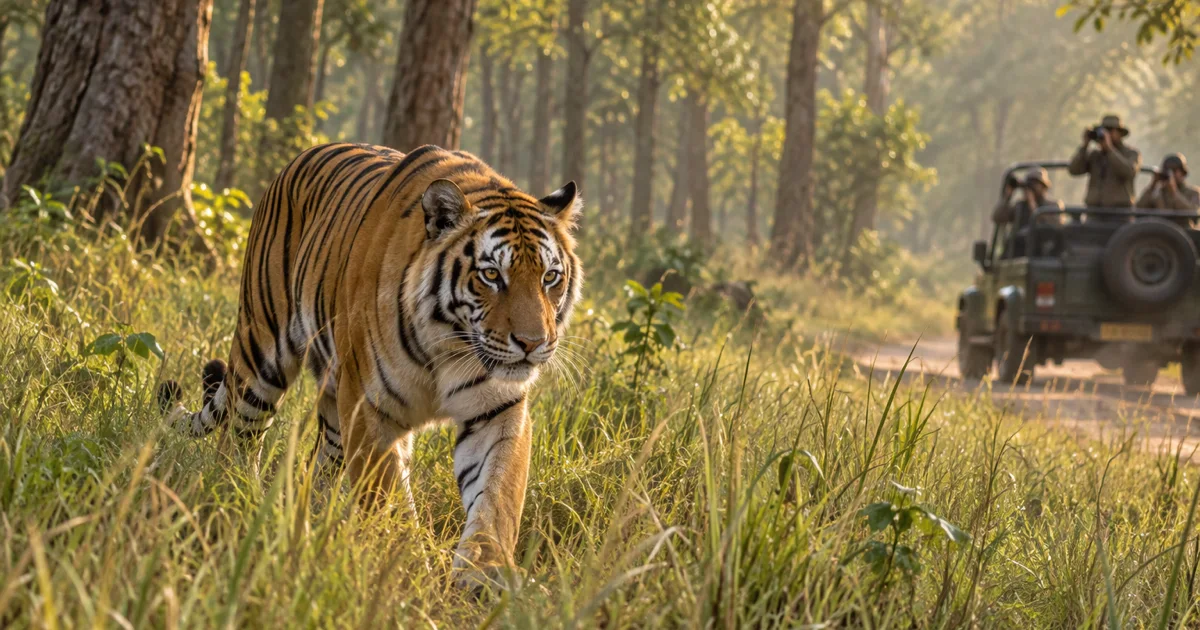
Places to visit in Jim Corbett get over 2,400 searches a month, and the results tend to repeat the same five bullet points: Dhikala, Bijrani, Garjia Temple, Corbett Falls, Corbett Museum. That list is not wrong. It is incomplete.
Jim Corbett National Park covers 520 square km of sal forest, grassland, and riverbed along the Ramganga in Uttarakhand's Nainital district. It sits about 260 km from Delhi and takes roughly 6 hours by road. The park splits into six safari zones (Dhikala, Bijrani, Jhirna, Dhela, Durga Devi, Sitabani) plus a buffer area. Each zone has different terrain, different access rules, and different wildlife probabilities. Treating them as interchangeable is where most itineraries fall apart.
This guide covers the 12 places worth your time, organized by what you are actually trying to do: see tigers, explore without a permit, or fill the non safari hours with something that is not just another resort pool.
TL;DR
- Dhikala zone has the highest tiger sighting probability, but requires an overnight stay and books out weeks in advance.
- Bijrani is the most accessible zone from Ramnagar (2 km from the gate) and good for a first timer.
- Jhirna is the only zone open year round, including monsoon months.
- Sitabani and Garjia Temple do not require park permits. Good for the morning before or after your safari.
- Book safaris 45 days ahead on corbettonline.uk.gov.in. Dhikala slots fill within hours.
Which Jim Corbett Safari Zone Should You Pick?
There are six zones. Picking the right one matters more than picking the right month because the terrain and access rules vary sharply.
Dhikala is the flagship. It covers 70 square km of chaur (grassland) along the Ramganga riverbed. This open terrain is why tiger sightings here run higher than the other zones. The catch: Dhikala is a full day drive from Ramnagar (about 35 km inside the park), and all visitors must stay overnight at the forest rest house. Day visits are not allowed. The zone opens on 15 November and closes on 15 June. Permits open 45 days in advance and sell out the same day for peak season (March to May).
Bijrani sits just 2 km from the Aamdanda Gate near Ramnagar. The sal forest here is denser than Dhikala, which means sightings depend more on waterholes than open grassland. Morning safaris start at 6 AM and last about 4 hours. This is where most first timers go because it does not require an overnight stay.
Jhirna is the monsoon fallback. It is the only zone that stays open from July to September when every other zone shuts down. The terrain is mixed deciduous forest with a few streams. Tiger density is lower than Dhikala or Bijrani, but elephants and deer show up reliably. It works for visitors who can only travel during the rains.
Dhela opened relatively recently as a buffer zone. It is cheaper than the core zones and does not require the same advance booking. Expect fewer big cat sightings but consistent bird and herbivore activity. This is a reasonable add on if you have already done Bijrani and want a second safari without the Dhikala logistics.
Durga Devi covers the hilly northeast corner of the park. The terrain is steeper, which makes it harder for jeeps but productive for birding. The Great Hornbill, Crested Kingfisher, and Maroon Oriole are resident species here. Wildlife sightings are less frequent than the grassland zones, so skip this if tigers are your main objective.
Sitabani is technically a buffer zone outside the national park boundary. It does not require a forest department permit. You can drive, cycle, or walk through it. The wildlife is sparser (no guaranteed big cat sightings), but leopard, barking deer, and sambar are present. Think of it as a free forest walk for the morning before or after your permitted safari.
What to Do in Jim Corbett Besides Safari?
The honest answer: the safari is the main event. But most visitors end up with a free morning or afternoon because safaris run only at dawn and dusk. These are the spots that fill that gap.
Garjia Temple
Garjia Temple sits on a large rock in the middle of the Kosi River, about 15 km from Ramnagar. It is dedicated to Parvati and gets crowded during Kartik Poornima (November). The walk across the bridge takes 5 minutes. The views of the river from the rock are better than the temple interior. No entry fee, and it takes about 30 minutes total. Go early if you want photos without the pilgrimage crowd.
Corbett Museum, Kaladhungi
Jim Corbett, the hunter turned conservationist who the park is named after, lived in Kaladhungi for much of his life. His house is now a museum with his rifles, letters, photographs, and first editions of "Man Eaters of Kumaon." The museum is 30 km from Ramnagar (about 45 minutes). Entry is ₹50. Allocate an hour. The displays have not been updated in years, but the context they give makes the safari feel less like a theme park ride.
Corbett Falls
A 25 metre waterfall about 25 km from Ramnagar. The walk from the parking lot to the falls is roughly 1 km through light forest. It is crowded on weekends and bone dry from March to May. Visit between September and November when the water flow is strongest. Entry is ₹30. Skip it if you are short on time; it is nice, not essential.
Kosi River Rafting
The Kosi River has Grade II to III rapids over a 12 km stretch between Mohan and Ramnagar. Multiple operators run trips from September to June. The actual rafting takes about 2 hours. It is moderate difficulty, suitable for beginners. Water levels matter: post monsoon (September to November) gives the best flow. By April the river slows down considerably.
One caveat: quality varies wildly between operators. Ask about safety gear and guide certification before booking. The cheapest option is rarely the safest.
How Many Days Are Enough for Jim Corbett?
Two nights, three days is the standard. That gives you one morning safari, one evening safari, and a free half day for Garjia Temple or the museum. For Dhikala, add a third night because the overnight stay inside the park eats one full day.
A sample three day plan from Delhi:
Day 1: Drive from Delhi (leave by 5 AM to reach Ramnagar by 11 AM). Afternoon at Garjia Temple or Corbett Falls. Evening safari in Bijrani or Jhirna.
Day 2: Morning safari in your chosen zone. Afternoon at Corbett Museum in Kaladhungi or a Kosi River rafting trip.
Day 3: Early morning safari. Check out and drive back to Delhi.
If you are adding Dhikala, budget four nights total. Day 2 becomes the drive into Dhikala, day 3 is the full Dhikala experience (morning and evening game drives from the rest house), and day 4 is the exit plus one more Bijrani or Jhirna safari.
Do not try to squeeze Dhikala into a two night trip. The internal distances and mandatory overnight make it physically impractical.
What Is the Best Time to Visit Jim Corbett?
This depends on what you want from the trip.
November to February is the most comfortable for weather. Daytime temperatures stay between 10°C and 25°C. The sal forest is green, the Ramganga has decent water, and morning safaris need a jacket. Tiger sightings are moderate because the dense vegetation gives animals more cover. Dhikala zone opens on 15 November, so the first two weeks of the season are the quietest.
March to June is peak tiger season. The forest dries out, waterholes shrink, and animals concentrate around the remaining water sources. Sighting probability jumps. The trade off is heat: April and May touch 40°C in the lowlands. Dhikala closes on 15 June.
July to September shuts down most zones. Heavy rain turns the internal roads to mud. Jhirna and Sitabani stay open, but sightings drop because the forest is lush and animals scatter. Some Ramnagar resorts offer discounted monsoon rates, but the park experience is a fraction of what you get in winter or summer.
My honest take: if tigers are the priority, come in late March or April and tolerate the heat. If you want a pleasant trip with good (not guaranteed) sighting chances, November to January is the sweet spot.
Where to Stay Near Jim Corbett
Accommodation clusters around three points: Ramnagar (the park's gateway town), Dhikuli (10 km from Ramnagar toward Bijrani), and inside the park at Dhikala.
Ramnagar has budget lodges and mid range hotels. It is the most convenient for Bijrani and Jhirna gates. The town itself is not scenic, but you are 2 km from the park.
Dhikuli has the resort belt: Jim's Jungle Retreat, Namah, The Solluna, and a string of properties along the Kosi. Rooms range from ₹3,000 to ₹15,000 per night. Most include safari booking assistance (at a markup).
Dhikala Forest Rest House is government run and inside the park. Rooms are basic: beds, blankets, shared dining hall. The location is unmatched. You wake up to barking deer outside the window. Book through corbettonline.uk.gov.in along with your safari permit.
One thing to watch: many Dhikuli resorts advertise "in Jim Corbett" but are technically in the buffer zone, not the national park. The forest outside your balcony is real, but you still need a separate safari permit to enter the core zones.
How to Reach Jim Corbett from Delhi
By road: 260 km via NH9 through Moradabad and Kashipur. The drive takes 5.5 to 7 hours depending on Moradabad traffic. Leave Delhi by 5 AM if you want to make an afternoon safari.
By train: The Ranikhet Express (15013) runs daily from Delhi to Ramnagar. Departure at 10:40 PM, arrival at 4:55 AM. It is a slow overnight train. Alternatively, take the Shatabdi to Kathgodam (5 hours) and hire a cab for the remaining 65 km.
By bus: UTC (Uttarakhand Transport Corporation) runs buses from Delhi ISBT to Ramnagar. The ride is 7 to 8 hours with stops. AC Volvo options exist during the tourist season (October to March).
The Delhi route is the most common. From other cities, the closest airport is Pantnagar (about 80 km from Ramnagar), but flights are limited and expensive. Most visitors drive or take the train.
Are There Adventure Activities in Jim Corbett?
Beyond the jeep safaris, a few options exist.
River rafting on the Kosi (Grade II to III, September to June) is the most accessible. Book at least a day ahead during peak season.
Fishing for golden mahseer is legal in designated stretches of the Ramganga and Kosi rivers with a state permit. The season runs October to March. Catch and release is encouraged. This is a niche activity, but mahseer fishing in the Ramganga is considered some of the best in north India.
Cycling in Sitabani works because the zone has no motorized traffic restrictions like the core zones do. Bring your own bike or rent from Ramnagar. The forest roads are unpaved and quiet. Early mornings (6 AM to 8 AM) are best for bird sightings.
Zip lining and rappelling are offered by a few resorts near the Dhela gate. These are standard adventure park setups, not unique to Jim Corbett, but they fill an afternoon for families with children who are too young for a full safari.
No paragliding. No bungee. If you see ads for these, they are referring to Nainital or Mukteshwar, which are separate trips about 60 to 80 km further north.
Hidden Spots Most Visitors Miss
Kyari Falls is a small waterfall inside the park, accessible only during the Dhikala safari route. Your guide may or may not stop here depending on the itinerary. Mention it when you board the jeep.
Bijrani Interpretation Centre has a small exhibit on the park's flora, fauna, and conservation history. Most visitors walk right past it on the way to the safari assembly point. It is free and takes 15 minutes.
The old elephant camp near Dhikala was decommissioned, but the clearing offers some of the best sunrise views in the park. If you are staying at the Dhikala rest house, walk there at dawn.
Ramnagar town market is not a tourist attraction, but it is where locals eat. The chhole bhature stalls near the railway station are worth a stop. This is not Corbett the national park, it is Corbett the small Kumaon town, and the food is better than any resort restaurant.
Planning Tips That Most Guides Leave Out
Permit booking is the real bottleneck. Dhikala permits for December to March sell out within hours of the 45 day window opening. Set a calendar reminder. The official site (corbettonline.uk.gov.in) is the only legitimate source. Any agent claiming guaranteed availability is charging you 2x to 3x.
Carry your own binoculars. Park jeeps do not include them. Spotting a tiger from 200 metres without binoculars means you are looking at a orange smudge in the grass.
Dress in earth tones. Bright colours alarm wildlife. Khaki, olive, and brown work. Leave the fluorescent rain jacket at the hotel.
The afternoon gap is real. Safaris end by 10 AM and the evening slot starts at 3 PM. That is five hours. Plan something for this window, whether it is the museum, a nap, or a Kosi riverside walk. Sitting in a resort lobby for five hours is a waste of a Jim Corbett trip.
Phone signal is weak to nonexistent inside the park. Download offline maps. Tell your hotel about your plans. Once you are past the gate, you are effectively unreachable for 4 to 6 hours.
Looking for group trips that include Jim Corbett safaris with logistics sorted? Browse options on TripzSearch and compare operators who handle permits and stays as a package.
Frequently asked questions
- What are the top places to visit in Jim Corbett National Park?
- Dhikala, Bijrani, Jhirna, and Garjia Temple are the top picks. Dhikala offers the highest tiger sighting probability because of its open grasslands and the Ramganga riverbed. Bijrani is more accessible from Ramnagar (about 2 km from the gate). Jhirna stays open year round, which makes it the only monsoon option.
- What is the best time to visit Jim Corbett?
- November to February for comfortable weather (10°C to 25°C) and active wildlife. March to June for the best tiger sightings because animals gather near waterholes as the forest dries out. Dhikala zone opens on 15 November and closes on 15 June. The monsoon months (July to September) close most zones except Jhirna and Sitabani.
- How many days are enough for Jim Corbett?
- Two nights and three days cover one morning and one evening safari plus a visit to Garjia Temple and Corbett Museum. For Dhikala, add a third night because the zone requires an overnight stay inside the park. Day visitors to Dhikala are not permitted.
- Is Jim Corbett worth visiting without a safari?
- Sitabani is a buffer zone that does not require park permits. You can walk, cycle, or drive through it. Garjia Temple sits on a rock in the Kosi River and is free to visit. The Corbett Museum in Kaladhungi is worth an hour. But honestly, skipping the safari misses the point. The forest, not the fringe, is the reason to go.
- How to book Jim Corbett safari online?
- Book through the official Uttarakhand Forest Department portal at corbettonline.uk.gov.in. Permits open 45 days in advance for Indian tourists. Dhikala fills within hours of opening, so set a reminder. You need Aadhaar or passport details for each visitor. Third party agents charge 2x to 3x the government rate.
- What adventure activities can you do in Jim Corbett?
- River rafting on the Kosi River runs from September to June, covering about 12 km of Grade II to III rapids. Fishing for mahseer is legal in designated stretches with a permit. Sitabani zone allows cycling and walking, unlike the core zones which are jeep only. Some resorts near Dhela gate offer zip lining and rappelling.
- What is the entry fee for Jim Corbett National Park?
- Indian visitors pay around ₹1,500 to ₹3,500 per jeep safari depending on the zone. Dhikala is the most expensive because it includes an overnight stay. Foreign nationals pay roughly 5x the Indian rate. Sitabani has no park entry fee. These rates change each season, so check corbettonline.uk.gov.in before booking.