Nainital Trip (2026): Lake, Treks and How to Plan a Group Getaway from Delhi
Plan a Nainital trip in 2026 with honest info on the lake, treks, costs and the best months to visit from Delhi.
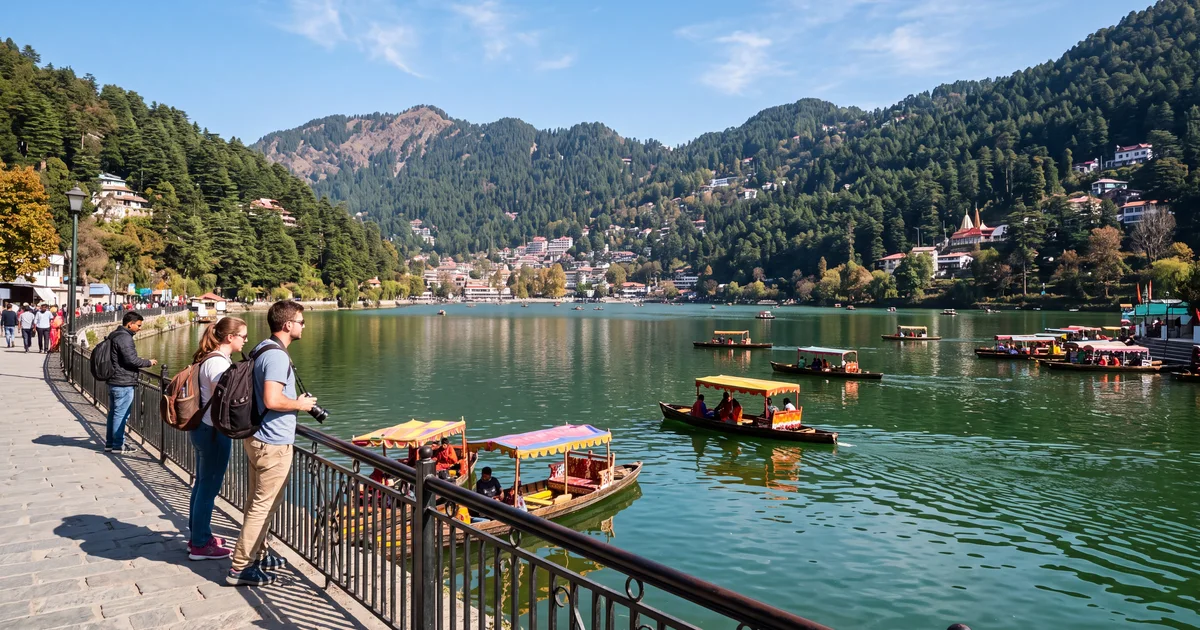
Nainital sits at 1,938 metres in the Kumaon hills, built around a kidney shaped lake that gets impossibly green after the monsoons. From Delhi, it is a single overnight drive or one train to Kathgodam followed by a 34 km taxi uphill. That proximity is why it remains one of north India's most visited hill stations, even in 2026.
The problem is that half the internet's "Nainital trip guides" still recommend Snow View Point and Naini Lake boating as if those are secrets. They are not. Every visitor does them. The real question is what else the town offers once you have walked Mall Road, eaten a maggi at a stall overlooking the lake, and taken the obligatory boat photo.
This covers the useful parts: how to plan transport from Delhi, where the treks actually are, what a group trip costs in real numbers, and which months give you clear mountain views instead of a wall of fog.
TL;DR
- Best months: March to June for clear views. September to November for fewer crowds.
- Budget: 5,000 to 9,000 per person for a 3 day group trip from Delhi (transport, stay, sightseeing).
- Getting there: 300 km from Delhi, 6 to 7 hours by road. Kathgodam railway station is 34 km below town.
- Key treks: Naina Peak (6 km, panoramic), Tiffin Top (4 km, easy), Snow View forest trail (3 km).
- Book ahead for October and December weekends. Mall Road hotels sell out 3 weeks in advance.
How Do You Get to Nainital from Delhi Without Wasting Half the Trip on the Road?
The overnight train to Kathgodam is the least painful option. The Ranikhet Express leaves Delhi at 10:40 PM and reaches Kathgodam by 5:15 AM. You wake up at the base of the hills and the taxi to Nainital takes 60 to 90 minutes depending on season traffic.
Driving yourself takes 6 to 7 hours if you leave Delhi by 4 AM on a Saturday. The route via Moradabad, Rampur, and Haldwani is mostly flat national highway until the last 30 km where the mountain road begins. Expect fog patches between Rampur and Rudrapur from November to February, especially before sunrise.
Group operators run Volvo or tempo traveller buses from Kashmere Gate ISBT or Akshardham. These depart Friday night (10 to 11 PM) and arrive in Nainital by Saturday morning. Per person cost is usually 800 to 1,200 for the return trip depending on vehicle quality.
One honest note: the Haldwani to Nainital road has single lane stretches. On weekends, especially long weekends, traffic jams near Tallital can add 45 minutes. If your group arrives by train, ask the taxi to drop you at Mallital (the far end of the lake) and walk into town from there. It avoids the bottleneck entirely.
What Is There to Do Besides Naini Lake Boating?
The lake is beautiful, but 30 minutes in a paddle boat covers it. Here is what fills the rest of a 2 or 3 day trip.
Naina Peak trek (6 km return, 2,611 m). The highest point accessible on foot from town. The trail starts behind the Nainital High Court and climbs through oak and deodar forests. On a clear day, you see the full Nanda Devi range from the top. Start early (7 AM) because clouds roll in by noon from April onwards. Budget 3 hours for the round trip.
Tiffin Top / Dorothy's Seat (4 km return). An easier walk through Ayarpatta forest with views over both Naini Lake and the plains beyond Haldwani. The path is well marked and suits groups with mixed fitness. There are no shops at the top, so carry water.
Snow View via forest trail. Most tourists take the cable car (₹300 return). The walking trail from Mallital takes about 45 minutes uphill through dense forest and is far more rewarding. You see more birdlife and avoid the queue, which stretches to 90 minutes on weekends in October.
Eco Cave Garden. Six interconnected caves named after animals. Tight squeezes and low ceilings make it surprisingly fun for groups. Takes about 30 minutes. Entry is ₹80. Skip it if anyone in your group is claustrophobic.
Bhimtal and Sattal (45 minutes from Nainital). Quieter lakes with kayaking options. Bhimtal has an island restaurant in the centre of the lake. Sattal is surrounded by forest and has better birdwatching (over 500 species recorded in the area). Worth a half day trip if you have 3 days total.
The caveat here: Nainital town is small (population under 50,000) and the activity density drops fast beyond the lake area. If your group wants packed itineraries with new things every few hours, pair Nainital with a day in Mukteshwar or Binsar rather than stretching three full days in town alone.
What Does a Nainital Group Trip Actually Cost?
Here is a realistic breakdown for a group of 8 people travelling from Delhi for a 2 night, 3 day trip in peak season (October):
Transport (tempo traveller, return): ₹18,000 to ₹22,000 total, or ₹2,250 to ₹2,750 per person. Hotel (shared twin rooms, mid range): ₹2,500 to ₹4,000 per person for 2 nights. Meals (local restaurants, 3 per day): ₹800 to ₹1,200 per person total. Activities (boating, cable car, entry fees): ₹500 to ₹800 per person.
Total comes to roughly ₹6,000 to ₹8,500 per person for a comfortable trip. You can go lower by booking dormitories in Bhowali or Bhimtal (₹500 per night per bed) and cooking group meals, but that changes the vibe significantly.
Group operators sell fixed departure packages at ₹5,000 to ₹9,000 per person that bundle everything. The convenience tax is real, but so is the time saved on logistics. For a group of friends splitting a private trip, doing it yourself saves 20 to 30 percent.
My honest take: unless your group has a dedicated planner who enjoys calling 6 hotels for quotes, the operator package is worth the premium for groups over 10. For smaller groups of 4 to 6, self planned wins easily.
Which Months Should You Avoid (and Which Are Underrated)?
March to June is the standard peak season. Days stay between 15 and 27°C, skies are mostly clear, and the lake is full from winter snowmelt. The downside: Mall Road is shoulder to shoulder on weekends and hotel prices peak. Book 3 weeks ahead.
July to August is monsoon. Rainfall hits 200+ mm per month. The Haldwani road gets blocked by landslides at least twice each season. Lake visibility drops because of runoff. Hotels offer 40 to 50 percent discounts, but you might spend a day stuck indoors. Not recommended for short trips where one lost day ruins the plan.
September to mid November is the window most Delhi travellers miss. The rain tapers off, the hills are at their greenest, and crowds thin out after Dussehra. October mornings are crisp (8 to 12°C) and the Himalayan range is visible on 4 out of 5 days. This is arguably the best time for photography and treks.
December to February brings occasional snowfall (2 to 3 episodes per winter, usually light). The lake sometimes freezes at the edges in January. Temperatures drop to 0 to 4°C at night. If your group handles cold well, this is a dramatic time to visit. But carry thermals, because hotel room heaters in budget properties are unreliable.
How Do Group Operators Run Nainital Trips?
Most operators based in Delhi run Friday night departures with fixed itineraries:
Day 1 (Saturday): Arrive morning. Check in, Mall Road walk, Naini Lake boating, cable car to Snow View. Dinner at a group restaurant.
Day 2 (Sunday): Naina Peak trek or Zoo and Tiffin Top combo. Afternoon free for shopping or Eco Cave Garden. Departure by 5 PM, return to Delhi by midnight.
Some operators add a Day 3: Bhimtal, Sattal, and Naukuchiatal lake circuit before returning on Monday morning. This works for long weekends.
Group sizes typically range from 10 to 25. Smaller groups (under 12) get a more personal experience, but the per person cost goes up because the vehicle cost does not split as far. Ask about group size caps before booking, because a 25 person bus trip feels very different from a 10 person tempo traveller trip.
One thing to verify: confirm whether the operator's hotel is in Nainital town (within 2 km of the lake) or in Bhowali or Bhimtal (30 to 45 minutes away). Some budget packages advertise "Nainital trip" but put you in a property that requires a taxi into town each day.
What Should You Pack for a Nainital Trip?
The packing changes sharply by season. For October to February: thermals or a fleece, a windproof jacket, warm socks, and a cap or beanie. Nights at 1,938 m get cold even if days feel mild. For March to June: layers work better than one heavy jacket because temperature swings 10 to 15 degrees between morning shade and afternoon sun.
Year round essentials: comfortable walking shoes (Mall Road is steep cobblestone), a refillable water bottle, sunscreen (UV is strong at altitude even on cloudy days), a power bank (hill station electricity is inconsistent during storms), and a small daypack for treks.
Skip the formal wear. Nainital is a walking town with steep inclines everywhere. Heels and dress shoes are a misery on Mall Road's slopes.
Is Nainital Worth It Compared to Other Hill Stations from Delhi?
Compared to Mussoorie (280 km, similar altitude): Nainital has the lake as a centrepiece, better trekking options, and slightly fewer domestic tour buses. Mussoorie has Kempty Falls and Landour for cafe culture. Both are equally crowded on long weekends.
Compared to Rishikesh (240 km): different experience entirely. Rishikesh is adventure and camping. Nainital is slow walks, viewpoints, and lake time. If your group wants adrenaline, pick Rishikesh. If they want to unwind without rafting rapids, Nainital wins.
Compared to Lansdowne (250 km): Lansdowne is quieter and less developed, which some groups prefer. But it has fewer activities and no real town centre. Nainital offers more for groups that want structure to their days.
For groups travelling from Delhi, Nainital remains one of the most reliable short trips because it delivers in every season and caters to mixed groups where some people want treks while others want to sit with a book by the lake.
Browse current group departures and packages on TripzSearch trips to compare operator pricing, group sizes, and included activities for Nainital from Delhi.
Frequently asked questions
- What is the best time to visit Nainital?
- March to June offers clear skies and 15 to 25°C days, ideal for boating and treks. September to November is quieter with post monsoon greenery and occasional fog. Avoid July and August unless you enjoy landslide alerts and zero lake visibility.
- How far is Nainital from Delhi and how do I get there?
- Nainital is about 300 km from Delhi, roughly 6 to 7 hours by road via Rampur and Haldwani. Kathgodam (34 km away) is the nearest railway station with direct overnight trains from Delhi. The nearest airport is Pantnagar, 70 km south, with limited flights.
- How much does a Nainital trip cost from Delhi?
- A 3 day group trip from Delhi typically costs 5,000 to 9,000 rupees per person covering transport, shared hotel, and basic sightseeing. Self planned trips can be cheaper if you book train tickets early and skip Mall Road hotels for Bhowali or Bhimtal stays instead.
- Is Nainital good for a group trip?
- Yes. The town is compact, activities cluster within 5 km of the lake, and group operators run fixed weekend departures from Delhi year round. Groups of 8 to 15 get the best per person rates on transport and hotels. Book 2 weeks ahead for October and December weekends.
- What are the best treks near Nainital?
- Naina Peak (6 km return, 2,611 m) gives panoramic Himalayan views. Tiffin Top (4 km return) is easier and suits beginners. Snow View via the forest trail is a 3 km walk if the cable car queue is too long. For longer treks, drive 40 minutes to Binsar Wildlife Sanctuary.
- Can I visit Nainital in monsoon?
- You can, but expect heavy rainfall (200+ mm in July), frequent road closures on NH9, and reduced lake visibility. Hotels are cheapest in this window, but landslides on the Haldwani to Nainital stretch are common. If you still go, carry waterproof bags and allow an extra day for road delays.