Best Hill Stations in India (2026): 18 That Justify the Winding Road
The best hill stations in India for 2026, from quick weekend escapes to high altitude towns, with honest notes on when to go and what to skip.
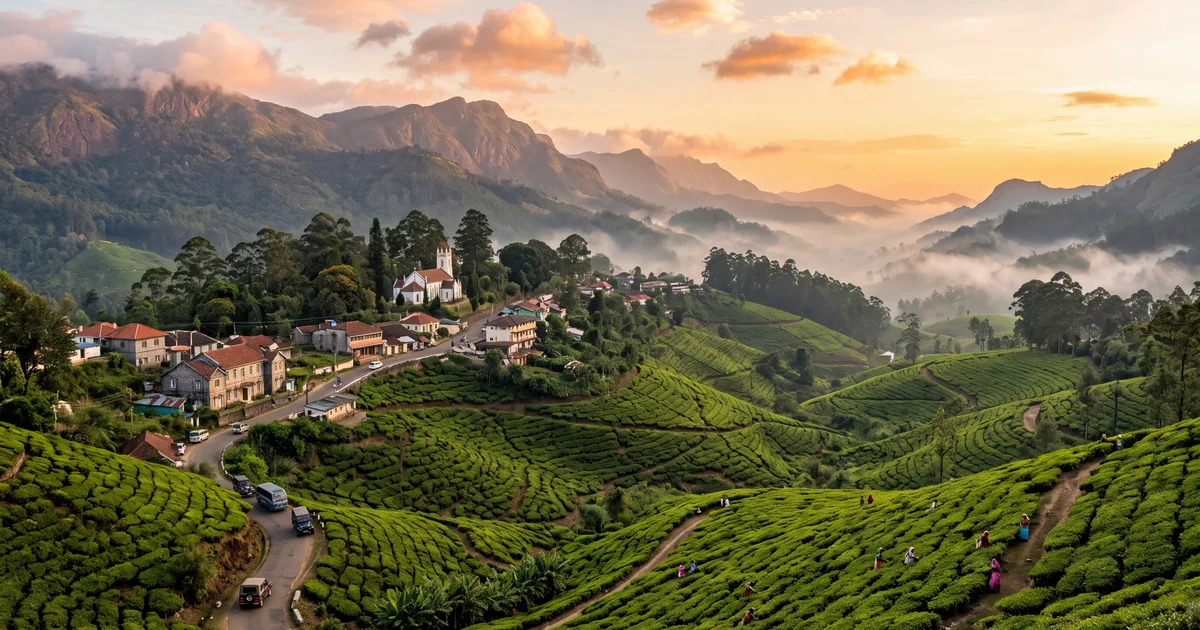
India has more hill stations than most countries have hills. The British built dozens during the Raj, and independent India added a few of its own by running roads up to every ridgeline with a view. The result is a list so long that picking one feels impossible.
Hill stations in India range from sea level towns on coastal plateaus to settlements above 3,500 metres in the Himalayas. Some have malls, multiplexes and traffic jams. Others have a single street and a post office that opens three days a week. The difference matters more than the altitude.
This guide covers 18 hill stations across the country, sorted by region. Not ranked, because the best hill station depends on where you are starting from, how many days you have, and whether you want a hotel pool or a sleeping bag.
TL;DR
- For a quick weekend from Delhi: Mussoorie, Shimla, or Kasauli (all under 7 hours by road).
- For a quick weekend from Bangalore: Ooty, Coorg, or Chikmagalur (all under 6 hours).
- Best monsoon picks: Munnar, Coorg and Lonavala (the green is worth the rain).
- For solitude: Lansdowne, Coonoor, Tawang, or Valparai.
- For group trips with fixed departures, compare operators and prices on TripzSearch.
What makes a hill station worth the drive in 2026?
The honest answer: fewer tourists than you expected, roads that do not destroy your car, and a town that has something to do beyond a viewpoint and a boating lake.
Most of the famous hill stations (Shimla, Ooty, Manali) suffer from the same problem in peak season: traffic crawls, hotels double their rates, and every viewpoint has a queue. The trick is either going in the off season (September, October, early November) or picking a town that never gets overrun in the first place.
Temperature matters too. A hill station at 1,200 metres cools you down. One at 2,500 metres puts you in a jacket. Know what you want before you book.
North India hill stations
The Himalayas and the Shivalik foothills hold the densest cluster of hill stations in the country. Here are the ones worth your time.
Shimla
Shimla sits at 2,200 metres and served as the summer capital of British India. The Ridge and Mall Road are the landmarks, but both are walking streets now and get packed on weekends. Walk uphill to Jakhu Temple instead (2,455 metres, about 2 km from the Ridge). The views of the snow line from up there are better than anything on Mall Road.
The Kalka to Shimla toy train is a UNESCO World Heritage railway. It takes about five hours from Kalka and covers 96 km through 102 tunnels and over 800 bridges. Book the chair car class if you can, as the views from the wide windows justify the fare.
One caveat: Shimla's roads were not built for the traffic they carry. During Diwali, Christmas and May holidays, the main highway backs up for hours. Midweek visits in October are the way to avoid this.
Mussoorie
Mussoorie is 35 km from Dehradun and the easiest Himalayan hill station to reach from Delhi (about 280 km, six hours by road). The town sits between 1,880 and 2,290 metres on a horseshoe ridge. Camel's Back Road is the better walk (3 km, relatively flat, no vendors), while Mall Road is the commercial spine.
Lal Tibba is the highest point in Mussoorie at 2,275 metres, and on a clear day you can see Badrinath and Kedarnath peaks from the telescope at the cafe there. Company Garden is skippable unless you are with young children.
Mussoorie gets about 4 million visitors a year. That number tells you everything about peak season. Visit in September or October and the place transforms into something quieter.
Nainital
Nainital is built around a kidney shaped lake at 1,938 metres. The lake is the town, and most activity clusters along the Mall Road that wraps around it. Boating on Naini Lake is the standard activity. Snow View Point (2,270 metres, reachable by cable car) gives you a panoramic line of Himalayan peaks including Nanda Devi.
Tiffin Top (Dorothy's Seat) is a 4 km walk from the cable car station and offers a quieter experience than the viewpoint itself. The town gets genuinely cold from December to February (temperatures drop below zero at night), which keeps crowds thin but requires warm layers.
The Bhimtal and Sattal lakes, 22 and 23 km from Nainital respectively, are worth a half day trip if the main lake feels too busy.
Kasauli
Kasauli is a small cantonment town in Himachal Pradesh, about 290 km from Delhi. It has no lake, no cable car, no mall road, and no traffic jams. That is the appeal. The town sits at 1,927 metres and covers barely 4 square kilometres. Christ Church, built in 1853, is one of the oldest churches in North India. The Monkey Point viewpoint is inside an army area and requires an ID check.
Kasauli works for people who want to read on a verandah, walk through pine forests, and eat at the same three restaurants every evening. If that sounds boring, pick Shimla instead. If it sounds perfect, this is your town.
Manali
Manali sits at 2,050 metres in the Kullu Valley and handles more tourists than its infrastructure was ever designed for. The Old Manali area (2 km uphill from the bus stand) is the backpacker and cafe zone, and Solang Valley (13 km northwest) is the adventure sports hub. Hadimba Temple, inside a cedar forest, is the architectural highlight.
Here is the truth about Manali: in May and June, the main highway from Chandigarh can take 14 hours instead of 8. The Atal Tunnel (opened 2020, 9.02 km long) connects Manali to Lahaul, and that route toward Sissu and beyond is where the real scenery begins. If you are going to Manali, plan to go through it, not just to it.
Winter (December to February) brings snow, which is spectacular but shuts down the higher roads. Group trips from TripzSearch handle the logistics for snow season itineraries.
Lansdowne
Lansdowne is a Garhwal Rifles cantonment town at 1,706 metres, about 260 km from Delhi. The army presence keeps the town clean, quiet and free of commercial tourist chaos. There are no malls, no water parks, no paragliding operators. The Tip N Top viewpoint shows snow peaks on clear mornings, and Bhulla Lake is a small artificial lake where the loudest sound is ducks.
Population: under 8,000. Restaurants: a handful. That ratio is the selling point. Lansdowne fills a niche for people who want a hill station that behaves like a village.
South India hill stations
The Western and Eastern Ghats hold South India's hill stations. They are lower in altitude than the Himalayan ones but stay green year round and rarely get below 5 degrees.
Ooty
Ooty (Udhagamandalam) sits at 2,240 metres in the Nilgiris and is the most visited hill station in South India. The Nilgiri Mountain Railway from Mettupalayam is a UNESCO heritage ride and one of the best short train journeys anywhere in India. Book weeks ahead for reserved seats.
The Botanical Garden (22 hectares, established 1848) and Ooty Lake are the standard stops. Doddabetta Peak (8 km, 2,637 metres) gives the widest view. The town gets uncomfortably packed in April and May during school holidays, when hotel rates triple and the ghat road crawls. September and October are the best months: the monsoon has cleared, the hills are green, and the crowds are gone.
One opinion: skip the Rose Garden and the Thread Garden. They are small, overpriced, and exist mainly for Instagram. Spend that time at the tea factory in Coonoor instead.
Coonoor
Coonoor is 19 km from Ooty and sits at 1,850 metres. It is Ooty's quieter neighbour. Sim's Park (a botanical garden with a focus on ferns) is pleasant, but the real draw is walking through the tea estates above the town. Dolphin's Nose viewpoint has a 360 degree panorama of the Nilgiri slopes, and getting there involves a 10 km drive and a short walk.
The Nilgiri Mountain Railway stops at Coonoor, and many travellers take the train between the two towns (45 minutes, gorgeous ride through tea country). Coonoor has better restaurants than Ooty and far fewer tourists in any season.
Kodaikanal
Kodaikanal sits at 2,133 metres in the Palani Hills of Tamil Nadu. The star shaped lake in the centre of town is the landmark. Coaker's Walk, a 1 km paved path along the edge of a steep escarpment, gives you a view across the plains below on clear days.
Pillar Rocks (three granite pillars rising 122 metres, 8 km from town) and Bear Shola Falls are the popular sights. The town has a slightly different atmosphere from Ooty: smaller, foggier, more inward looking. Most restaurants close by 8 PM, and the evening entertainment is walking around the lake or sitting in a cafe watching the mist roll in.
The 120 km ghat road from Madurai has 14 hairpin bends. It is scenic but tiring. Go early in the morning to avoid oncoming trucks on the single lane sections.
Munnar
Munnar is Kerala's premier hill station at 1,600 metres in the Western Ghats. Tea gardens dominate the landscape and the economy. The drive up from Kochi (130 km, about 4 hours) passes through cardamom and pepper plantations with 20+ hairpin bends.
Eravikulam National Park (13 km from town, open September to March) is home to the Nilgiri tahr and sits at the base of Anamudi, the highest peak in South India at 2,695 metres. Top Station (32 km from Munnar, 1,880 metres) gets its name from the old ropeway terminus and offers views into Tamil Nadu on clear mornings.
Munnar gets heavy rain from June to August. The monsoon scenery is beautiful but the roads get slippery and some trails close. October and November, right after the monsoon, is when the tea estates look their best.
Coorg
Coorg (Kodagu) is not one town but a district in Karnataka, with Madikeri as its headquarters at 1,525 metres. Abbey Falls (8 km from Madikeri) is the postcard shot, but the better experience is walking through a working coffee estate. The arabica harvest happens from November to January, and some estates let visitors help with picking.
From Bangalore it is about 250 km and five hours by road. Weekends fill up fast because Bangalore's tech workforce treats Coorg as their default escape. Book midweek if you can, and avoid long weekends entirely.
Raja's Seat, a garden and viewpoint in Madikeri, is worth visiting at sunset but not worth a special trip. The real Coorg experience is the drive, the coffee, and the homestays.
Northeast and Western India hill stations
A few hill stations outside the main two regions deserve mention.
Darjeeling
Darjeeling sits at 2,042 metres in West Bengal with Kangchenjunga (8,586 metres, third highest in the world) dominating the northern skyline. Tiger Hill, 11 km from town, is the sunrise viewpoint where you can see the peak turn gold at dawn.
The Darjeeling Himalayan Railway (toy train) is a UNESCO World Heritage line. The 2 hour joy ride loop from Darjeeling to Ghum and back covers the steepest sections and the famous Batasia Loop. The tea gardens here produce some of the most expensive tea in the world, and several estates offer tasting tours.
Mall Road and Chowrasta (the central square) are the walking areas. The town is steep, the stairs are everywhere, and the taxis are shared Mahindra SUVs that squeeze 10 people in. That is part of the character.
Tawang
Tawang is in Arunachal Pradesh at 3,048 metres and requires an Inner Line Permit (apply online, processed in 1 to 2 days for Indian citizens). The Tawang Monastery, established in the 17th century, is the largest monastery in India and the second largest in the world after Potala Palace in Lhasa.
The drive from Guwahati is about 450 km and takes two days via Bomdila and Sela Pass (4,170 metres). Sela Pass gets snow from November to March, and the road can close without notice. That remoteness is the whole point. Tawang gets perhaps 1% of Shimla's tourist traffic.
The town is small. The monastery is the main attraction. But the landscape (glacial lakes, yak pastures, Buddhist prayer flags against snow peaks) makes this feel like a different country.
Lonavala
Lonavala sits at just 622 metres in the Western Ghats, 83 km from Pune and 96 km from Mumbai. It is the most accessible hill station for India's two largest western cities, which means it gets overrun on weekends and long holidays.
The monsoon transforms Lonavala. From June to September, waterfalls appear on every cliff face, the Bhushi Dam overflows, and the entire landscape turns a green that photographs cannot capture. Rajmachi Fort (a 15 km trek from the Lonavala side) is the serious outing, and Tikona Fort is a shorter climb with better views.
Outside monsoon, Lonavala is dry and average. Time your visit accordingly.
Mount Abu
Mount Abu is Rajasthan's only hill station, at 1,220 metres in the Aravalli range. It exists because the rest of the state bakes above 40 degrees from March to June. Nakki Lake is the central attraction, and the Dilwara Jain Temples (11th to 13th century) have marble carvings considered among the finest in India.
Guru Shikhar (1,722 metres, 15 km from town) is the highest point in the Aravallis and the highest point in Rajasthan. The drive up takes about 30 minutes and the view covers the desert plains stretching south and west.
Mount Abu is not spectacular by Himalayan standards. But it is cool when Rajasthan is furnace hot, and the Dilwara temples alone are worth the 185 km detour from Udaipur.
When to visit hill stations in India
The right month depends on the region.
North India hill stations (Shimla, Mussoorie, Nainital, Manali) are best from March to June for warm weather and September to November for clear skies and fewer crowds. December to February brings snow in the higher ones, which is beautiful but cold.
South India hill stations (Ooty, Kodaikanal, Munnar) are pleasant year round but get heavy rain from June to August. The best window is September to November: monsoon clears, greenery peaks, and hotel rates drop.
Western Ghats stations (Lonavala, Mahabaleshwar) peak during monsoon from June to September. That is when they come alive. Outside monsoon, they are dry and unremarkable.
Northeast (Darjeeling, Tawang) is best from March to May and October to November. Monsoon dumps heavy rain, and winter shuts higher roads.
All hill stations in India see the biggest crowds during April to May school holidays, Diwali (October or November) and Christmas to New Year. Avoid those windows if you value your peace.
Plan your trip with real dates and verified operators. Check group departures on TripzSearch to see what is available for your city and your dates.
Frequently asked questions
- Which is the best hill station in India for couples?
- Manali and Kodaikanal are popular picks, but Coonoor and Kasauli are better if you want quiet. Coonoor has the tea estate walks without Ooty's crowds, and Kasauli is a small cantonment town in Himachal where the loudest thing is the wind through the pines. Both work well for a three to four day trip.
- What are the top hill stations in India near Delhi?
- Mussoorie (280 km), Nainital (300 km), Shimla (340 km) and Kasauli (290 km) are all within a six to seven hour drive. Mussoorie and Nainital are the most visited. Kasauli is smaller and quieter. For a shorter drive, Lansdowne (260 km) is a cantonment hill town with almost no commercial tourism.
- Which hill station in India has the best weather year round?
- Ooty and Coonoor in the Nilgiris stay between 10 and 25 degrees Celsius through the year, which makes them comfortable in every season except heavy monsoon months. Kodaikanal in the Palani Hills is similar. In the north, Darjeeling stays cool from March to November but gets cold and foggy in winter.
- Are hill stations in India safe for solo travellers?
- Most established hill stations are safe. Towns like Shimla, Mussoorie, Manali and Ooty have a regular tourist infrastructure and police presence. Smaller towns like Kasauli, Coonoor and Lansdowne are quieter and feel safe at any hour. Common sense rules apply everywhere: avoid isolated trails after dark and check local weather before trekking.
- What is the least crowded hill station in India?
- Lansdowne, Coonoor, Tawang and Valparai see a fraction of the visitors that Shimla or Manali get. Tawang in Arunachal Pradesh requires a protected area permit, which limits numbers naturally. Valparai in Tamil Nadu has almost no tourist infrastructure, which keeps the footfall low.