Best Places to Visit in Manali (2026): What to Skip, What's Worth It
Best places to visit in Manali for 2026 with honest ratings, timings, costs and what most tourists waste a day on.
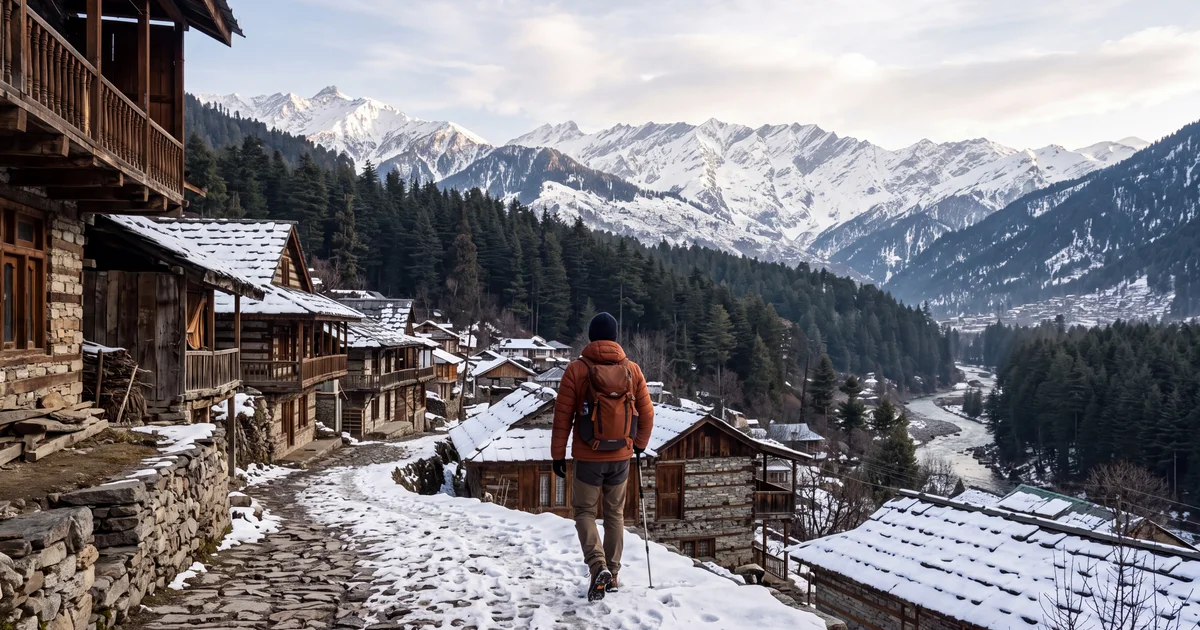
Manali appears in every "must visit hill stations in India" list, and for good reason. The town sits at 2,050 metres in the Kullu Valley where the Beas river runs cold and fast, framed by pine forests and snow peaks. On a clear morning in October, the views from Old Manali toward the Pir Panjal range justify every hour of the drive from Delhi.
The problem with Manali is not the place. It is the information. Every travel blog lists the same 15 "must visit" spots copied from each other. Half of those spots are tourist traps. Nobody tells you that Vashisht Hot Springs is a concrete tub in 2026, or that Rohtang Pass is a traffic jam you will regret unless you genuinely want to see snow for the first time.
This guide sorts through the noise. Which places in Manali actually deliver, which ones waste half your day, and how to plan 3 to 4 days without repeating the same mistake every tourist makes.
TL;DR
- Must visit: Hadimba Temple, Old Manali, Jogini Falls trek, Naggar Castle, Atal Tunnel
- Worth it conditionally: Solang Valley (winter only), Rohtang Pass (first time snow seekers)
- Skip: Vashisht Hot Springs, Club House, Mall Road beyond 30 minutes
- Best months: October to November (views), January to February (snow), avoid July to August (landslides)
- Budget: 2,000 to 4,000 per day for mid range including food, stay, and activities
What is the best way to reach Manali from Bangalore?
Manali is 2,100 km from Bangalore by road. Nobody drives that. The realistic options:
Flight to Kullu Bhuntar (KUU). The airport is 50 km from Manali, about 1.5 hours by taxi (the road follows the Beas river through Kullu town). IndiGo and SpiceJet operate from Bangalore with a stop in Delhi or Chandigarh. Flight time is 4 to 5 hours including the connection. Cost: 5,000 to 12,000 depending on season and advance booking. The catch: Bhuntar has a short runway in a valley. Flights cancel regularly in bad weather. Have a backup plan.
Flight to Delhi + overnight Volvo. The most popular budget option. Fly Bangalore to Delhi (2.5 hours, 3,000 to 6,000), then catch a HRTC or private Volvo from ISBT Kashmere Gate at 5pm. The bus reaches Manali by 7 to 9am next morning (14 hours). The Volvo costs 1,200 to 2,000 for a semi sleeper. The highway passes through Chandigarh, Bilaspur, Mandi, and Kullu before climbing into the valley.
Flight to Chandigarh + drive. Chandigarh is 8 to 9 hours from Manali by road. Closer than Delhi but the road still winds through Mandi and the Beas gorge. Useful if you find a cheap direct flight to Chandigarh.
Group trips to Manali from Bangalore typically include flights to Delhi or Chandigarh with bus transport from there, so you skip the logistics.
Old Manali: the part of town worth your time
Old Manali sits 3 km uphill from Mall Road, across the Manalsu stream. The walk takes 20 minutes or you take an auto for 50 rupees. This is where the character lives.
The lanes are narrow, lined with cafes that have been around since the backpacker era of the 1990s. Drifters, Lazy Dog, Dylan's. Stone and wood buildings with sloping roofs. Apple orchards behind guesthouses. The Manalsu stream runs through the village with a waterfall at the top that most tourists never reach because they stop at the first cafe.
What to do here: walk the lanes without a destination. Stop at a cafe with a valley view. Follow the path past the last guesthouse uphill toward the Manalsu waterfall (30 minute walk). Sit by the stream. This is not a "tourist spot" with a ticket counter. It is a neighbourhood that happens to be in a beautiful valley.
One honest take: Old Manali in May and June is overcrowded with college students. The lanes get noisy and the cafes overflow. October or late September gives you the same setting without the crowd.
Hadimba Temple and the forest around it
Hadimba Temple (also called Dhungri Temple) is a 500 year old wooden pagoda set in a deodar cedar forest. The architecture is unusual for North India: four tiered wooden roof, carved doorway with animals and figures, no typical Hindu temple tower. The legend links it to Hadimba from the Mahabharata.
The temple itself takes 15 minutes to see. The forest around it is worth more time. The deodar trees are massive (some over 40 metres tall) and the paths through the forest lead to quiet clearings. In winter, snow covers the ground and the cedar branches, which makes for better photographs than the temple itself.
Entry is free. The temple courtyard gets crowded between 10am and 2pm when day trippers from Volvo buses arrive in groups. Go before 9am or after 4pm.
What to skip nearby: the yak rides and photo ops with rabbits in costume that set up outside the temple. They are overpriced (200 to 500) and the animals look miserable.
The short walk from Hadimba to Club House road passes through the forest and takes 10 minutes. If you combine Hadimba with a walk to Van Vihar (a small park along the Beas, entry 100), you can fill a pleasant morning without rushing.
Jogini Falls: the best free trek in Manali
Jogini Falls is a 30 to 40 minute trek from Vashisht village. It does not appear in many "top 10" lists because there is no road access and no entry ticket. That is exactly why it is good.
The trail starts behind Vashisht temple and climbs through apple orchards and pine forest. The path is clear but steep in sections, with loose rock after rain. Wear proper shoes. The waterfall drops about 40 metres into a rocky pool at 2,500 metres elevation. In monsoon and post monsoon (July to October), the flow is powerful. By April, it thins considerably.
What makes it worth the effort: you leave the tourist Manali behind after 10 minutes of walking. The views of the Beas valley and Solang side open up as you climb. At the falls, you are surrounded by pine forest with maybe 5 to 10 other people on a weekday.
Caveat: do not attempt this in heavy rain. The trail gets slippery and rockfall is a real risk. Check the morning forecast. Also, local guides offer their services at the trailhead for 200 to 300. The trail is straightforward enough without one, but they can point out viewpoints you might miss.
Is Solang Valley worth the drive?
The answer depends entirely on when you go.
Winter (December to February): Solang Valley transforms into Himachal's most accessible skiing destination. The 2.5 km ropeway carries you to 3,000 metres where actual snow slopes exist. Basic skiing lessons cost 1,000 to 2,000 for an hour. The valley under fresh snow is genuinely beautiful. Worth a full day.
Summer (May to June): The snow melts. What remains is a green valley (scenic on its own) surrounded by commercial activity zones. Zorbing: 500 to 800 per ride. Paragliding: 2,500 to 3,500 for a short flight. Horse riding: 800 to 1,200 to a viewpoint. ATV rides: 500 to 1,000. The activities are overpriced for what they are, and the operators haggle aggressively. The valley feels like an outdoor mall rather than a mountain destination.
Shoulder season (October to November, March to April): Quiet, scenic, and pleasant for a short walk without the crowds or the hard sell on activities. This is when Solang looks like a valley and not a theme park.
Solang is 14 km from Manali (30 minutes by road). If you are going in winter for snow, budget a full day. In summer, do not budget more than 2 hours unless you actively want the adventure park experience.
Atal Tunnel: engineering worth seeing (briefly)
Atal Tunnel (Rohtang Tunnel) opened in 2020. At 9.02 km, it is the longest highway tunnel above 10,000 feet globally. It connects Manali to Lahaul and Spiti by cutting through the Pir Panjal range.
The tunnel itself is a drive through experience (takes about 15 minutes at the speed limit). What makes the stop interesting is the Lahaul side. Once you exit the south portal, the landscape changes dramatically. Green pine valley on the Manali side, barren brown moonscape on the Lahaul side. Sissu village on the other end has a waterfall visible from the road and views of snow peaks even in summer.
A round trip to the tunnel and back (with a stop at Sissu) takes 3 to 4 hours from Manali. No permit needed, unlike Rohtang Pass. Free entry. The only cost is taxi hire (2,000 to 3,000 for the return trip) or fuel if you have a rental car.
Real opinion: the tunnel is more impressive as a concept than a tourist experience. You drive through a lit tunnel and come out the other side. But the Lahaul valley contrast makes the drive worthwhile, and it is a better use of a morning than queuing at Rohtang.
Naggar Castle and the quieter Kullu side
Naggar is 21 km from Manali (40 minutes) on the left bank of the Beas. It was the old capital of the Kullu kingdom before the seat moved to Sultanpur. The town gets a fraction of Manali's tourists, which makes it feel like the Manali of 15 years ago.
Naggar Castle is a medieval stone and wood structure from the 15th century, now an HPTDC hotel. You can walk in, look at the courtyard, and have lunch at the restaurant with valley views. No entry fee. The architecture mixes Himalayan stone with European elements (a British wing was added during colonial rule).
Nicholas Roerich Art Gallery is 1 km from the castle. Roerich was a Russian painter who settled here in the 1920s and painted Himalayan landscapes until his death in 1947. The gallery holds about 40 originals. Entry: 50 rupees. Worth 30 to 45 minutes if you appreciate landscape art. The house and grounds alone, with their views of the Kullu Valley, justify the visit.
The road from Manali to Naggar along the left bank is quieter than the main highway and passes through apple orchards, small Himachali villages, and two stone temples. If you have a car or bike, this makes a satisfying half day trip. Combine it with a stop at Jana Falls (a 20 minute detour) on the return.
Places you can skip without regret
Vashisht Hot Springs. The idea sounds appealing: natural hot water springs in a Himalayan village. The reality in 2026 is a concrete enclosure with lukewarm water that gets overcrowded by 10am. The changing facilities are basic. The water is not hot enough to justify the queue. The village of Vashisht itself is worth a walk (old wooden houses, temple carvings), but the springs themselves disappoint.
Mall Road (beyond 30 minutes). Walk it once to orient yourself. Buy a shawl or some dry fruit. Then leave. The shops repeat (Kashmiri shawl stores, souvenir stalls, overpriced adventure booking counters). Traffic makes it unpleasant after 10am. If you need shopping, the Tibetan market near the bus stand offers better prices.
Club House. An HPTDC property with a pool table, mini golf, and boating pond. It is dated, overpriced (entry 100 per person plus separate charges for activities), and your time is better spent walking the deodar forest nearby for free.
Tibetan Monastery. Small, takes 10 minutes. The architecture is standard gompa style without the scale or setting that makes monasteries elsewhere in Himachal (like Key or Tabo in Spiti) interesting. If you are passing by, look in. Do not make a special trip.
How to plan 3 days in Manali without wasting time
Day 1: Arrive (morning if flying to Bhuntar, early morning if overnight bus from Delhi). Check in. Walk to Old Manali in the afternoon. Wander the lanes, find a cafe, walk to the Manalsu waterfall. Dinner in Old Manali. Easy day after travel.
Day 2: Morning at Hadimba Temple (go by 8:30am before crowds). Walk through the deodar forest to Van Vihar. After lunch, take a taxi to Naggar Castle and Nicholas Roerich Gallery. Return via the left bank road. This fills the day without rushing.
Day 3: Drive to Atal Tunnel and Sissu (leave by 8am, return by noon). Afternoon: Jogini Falls trek from Vashisht (2 to 3 hours round trip). This is physically the fullest day. If you are not up for both, pick one.
Optional Day 4: Solang Valley (winter for skiing, otherwise skip or replace with Bhrigu Lake trailhead walk). Or rest day with a slow breakfast in Old Manali and a riverside walk.
Group trips to Manali with fixed itineraries handle the logistics if you prefer not to plan each day yourself.
What Manali costs in 2026 (realistic daily budget)
Budget: Hostel dorm 500 to 800 per night. Local meals 150 to 300 each. Auto rides 50 to 100. One activity 500 to 1,000. Total: 1,200 to 2,000 per day.
Mid range: Guesthouse or 3 star hotel 2,000 to 4,000. Restaurant meals 300 to 600. Taxi for sightseeing 2,000 to 3,000 per day. Activities 1,000 to 2,500. Total: 3,500 to 6,000 per day.
Comfortable: Resort or boutique hotel 5,000 to 12,000. Fine dining 800 to 1,500 per meal. Private car with driver 3,500 to 5,000 per day. Total: 8,000 to 15,000 per day.
Peak season (May to June and December to January) inflates accommodation by 30 to 60 percent. Shoulder months (October to November, March to April) give you better rates and fewer crowds. Mall Road restaurants mark up 20 to 40 percent compared to Old Manali cafes serving the same food.
For packaged costs including transport from Bangalore to Manali, check current group departures with transparent pricing.
When Manali goes wrong: monsoon and other timing mistakes
July to September: The Manali highway (NH3, now NH21) runs through the Beas gorge, which is landslide prone in heavy rain. The stretch between Mandi and Kullu sees road closures 10 to 15 times per monsoon season. Buses get stuck. Flights to Bhuntar cancel more often. If you must go during monsoon, have 2 extra buffer days and accept that plans will change.
Long weekends in May and June: Traffic entering Manali can back up for 3 to 5 km at the Kullu bypass junction. What should be a 1.5 hour drive from Bhuntar becomes 3 to 4 hours. Mall Road is shoulder to shoulder. Hotels run at 100 percent occupancy and charge premium rates for average rooms.
Dussehra week (October): This is Kullu Dussehra, one of the biggest festivals in Himachal. The seven day fair happens in Kullu town, 40 km from Manali. Hotels across the valley fill up weeks in advance. If you are in the area during this time, the fair itself is worth seeing (processions of local deities from hundreds of villages). Book at least 3 weeks early.
The ideal window for most travellers: second week of October to end of November, or late February to March. Clear skies, manageable crowds, and rates below peak levels.
Manali for groups: what works and what does not
Manali works well for groups of 6 to 15 people. The destinations are clustered close enough that a shared tempo traveller makes sense. Activities like paragliding, rafting (on the Beas near Kullu), and treks work better in groups both for safety and cost splitting.
What does not work: large groups (20+) trying to eat together at Mall Road restaurants. Wait times become painful. Better to split into smaller groups for meals and regroup for activities.
Group trips to Manali from cities like Bangalore and Mumbai typically run 4 to 5 nights (1 night in Delhi/Chandigarh transit, 3 nights in Manali). They handle the flight connection, highway bus, hotel, and a fixed activity schedule. For trips available this season, browse Himalayan trek and trip collections.
Frequently asked questions
- How many days are enough to visit Manali?
- Three full days cover the main sights comfortably. Day one for Old Manali and Hadimba Temple area, day two for Solang Valley or Atal Tunnel side, day three for Naggar Castle and the Kullu side. Add a fourth day if you want to do a day trek to Jogini Falls or Bhrigu Lake base. Most group trips are 4 nights which includes one travel day each way.
- What is the best time to visit Manali?
- October to November for clear mountain views and no crowds. December to February for snow (Solang and Rohtang). March to April for a mix of snow at higher points and pleasant weather in town. May to June is peak tourist season with heavy traffic on Mall Road. July to September brings monsoon landslides that regularly block the highway.
- Is Rohtang Pass worth visiting from Manali?
- For first time visitors who have never seen snow, yes. You need a permit from the Manali SDM office (booked online, costs 550 per person plus vehicle fee). The drive takes 2 to 3 hours each way from Manali. The pass itself is a traffic choked parking lot with snow, rental ski suits, and maggi stalls. If you have seen snow elsewhere or prefer less crowded experiences, skip Rohtang and visit Atal Tunnel instead.
- Is Solang Valley worth it in summer?
- In summer (May to June) Solang Valley is a crowded tourist trap with overpriced activities (zorbing 500, paragliding 2500, horse riding 1000). The valley itself is scenic but the experience is commercial. In winter (January to February), the same valley transforms into a genuine skiing and snow play destination that is worth the visit. If you are going in summer, Jogini Falls or Naggar are better uses of your time.
- Which places in Manali can I skip?
- Vashisht Hot Springs (a dirty concrete pool, not the natural experience people imagine), Mall Road beyond 30 minutes of walking (same shops repeated), Tibetan Monastery (small, takes 10 minutes), and Club House (overpriced with mediocre activities). Most of these appear in every generic itinerary but add little to the trip.
- Can I visit Manali from Bangalore without flying to Delhi?
- You can fly directly to Kullu Bhuntar airport (KUU), which is 50 km from Manali. Airlines like IndiGo and SpiceJet operate flights from Bangalore to Kullu, though schedules vary by season and cancellations due to weather are common in monsoon and winter. Alternatively, fly to Chandigarh (8 to 9 hours by road from Manali) or Delhi (12 to 14 hours by road). Group trips from Bangalore typically include flights to Delhi or Chandigarh.