Best Places to Visit in Goa (2026): Beyond Baga and Calangute
A no nonsense guide to the best places to visit in Goa in 2026, covering beaches, forts, villages and what most tourists miss.
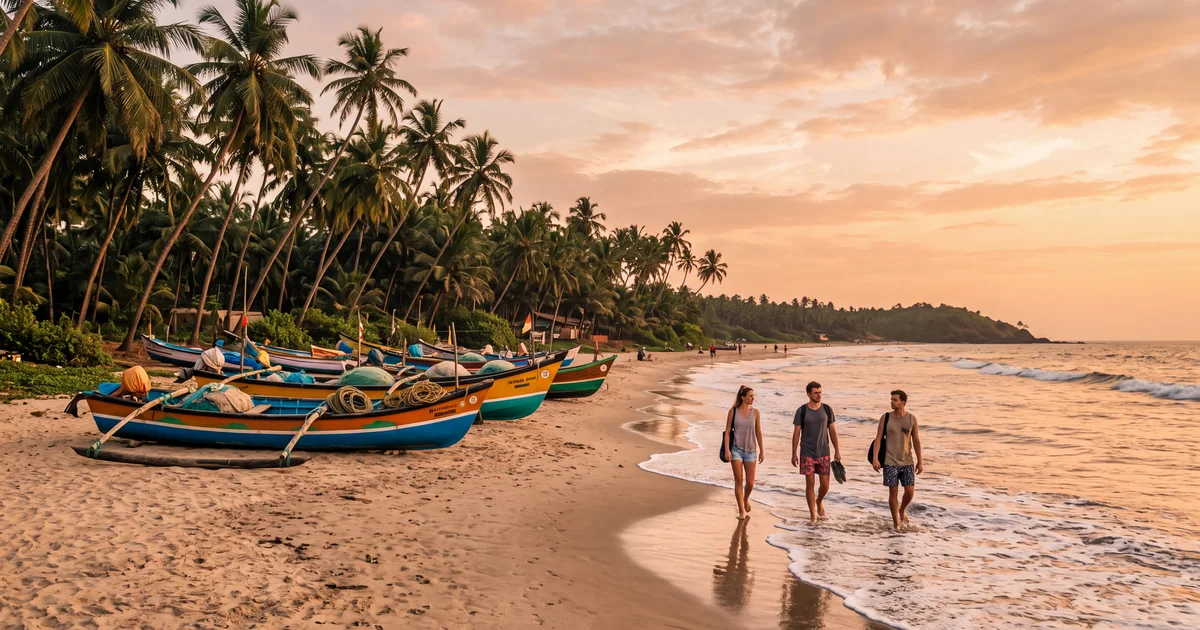
Goa gets 8 million tourists a year. Most of them end up on the same 3 km stretch between Baga and Calangute, eating the same butter garlic prawns at the same beach shacks, and leaving with the impression that Goa is just a party beach with too many taxi drivers quoting 500 rupees for a 2 km ride.
It is not. Goa is 3,700 square kilometres of coastline, Portuguese colonial architecture, laterite villages, spice plantations, and forest. The tourist strip covers maybe 5% of it. The rest requires a scooter, some curiosity, and a willingness to skip the obvious.
This is not a list of 47 places with a one line description each. It covers the places worth your time in 2026, split by what you are looking for, with honest notes on what to skip.
TL;DR
- North Goa: Fort Aguada, Anjuna, Vagator, Chapora, and Old Goa's churches. Skip Calangute and Baga unless you want crowds.
- South Goa: Palolem, Agonda, Cabo de Rama, and Cola beach. Quieter, cleaner, fewer hawkers.
- Best time: November to February. Monsoon (June to September) for budget rates and green scenery.
- Budget: 1,500 to 3,000 per day per person depending on accommodation tier and eating habits.
- Duration: 4 to 5 days minimum to see both North and South properly.
What Are the Best Beaches in Goa That Aren't Overcrowded?
The beach question dominates every Goa trip plan, so let's sort it properly.
Palolem (South Goa) is a crescent shaped beach backed by palms, about 1.5 km long. It gets busy in peak season (December and January), but never reaches Calangute levels. The water is calm enough for swimming, and the south end near the rocks stays quieter. November and February are the sweet spot for Palolem.
Agonda (South Goa) sits 8 km north of Palolem and draws a different crowd. Longer, less developed, with fewer shacks and more space between them. The surf is stronger here so swimming needs attention, but for lying on sand with a book and not being bothered every 3 minutes by a vendor, Agonda wins.
Cola Beach (South Goa) is a small cove accessible by a steep dirt path off the main road. There is a freshwater lagoon that meets the sea here. It is beautiful but not a full day spot. Visit for 2 to 3 hours, swim in the lagoon, and leave before the afternoon sun gets harsh. The path down is not suitable for anyone with mobility issues.
Vagator (North Goa) has red cliffs, a smaller crowd than Baga, and Chapora Fort overlooking it. The north side (Ozran or Little Vagator) is the better section. You can see the fort from the beach and walk up to it in 15 minutes.
Mandrem (North Goa) is 20 minutes north of Anjuna by scooter and feels like a different state. Wide, flat, clean. Popular with long stay visitors and yoga retreat types. No loud music shacks. The river crossing to reach the main stretch adds a layer of effort that keeps day trippers away.
One honest caveat: every beach in North Goa within 5 km of Anjuna gets progressively more crowded each year. If your trip falls in the last two weeks of December, even Vagator will feel packed.
Which Forts and Historical Sites Are Worth Visiting?
Goa has more built heritage than most Indian states its size, thanks to 450 years of Portuguese rule. Three sites stand out.
Fort Aguada sits on a headland at the mouth of the Mandovi river. The intact lighthouse (built 1864) is the visual highlight. The fort itself is a thick laterite structure from 1612, and the views north toward Sinquerim beach and south toward the Mandovi are clear on most days. Go early morning or at sunset. Midday is brutally hot with no shade inside the fort walls.
Old Goa is a 15 minute drive from Panjim and holds what remains of the Portuguese colonial capital. The Basilica of Bom Jesus (1605) contains the remains of St. Francis Xavier and has imposing baroque architecture that fills the frame when you walk in. Se Cathedral across the road is one of the largest churches in Asia. The whole complex takes about 2 hours. There is a museum of Christian Art attached that most visitors skip but is worth 30 minutes if you care about the colonial period.
My opinion: Old Goa is the single most underrated thing in the state. People fly to Goa for beaches and never visit a UNESCO level heritage site sitting 30 minutes from their hotel. That is a mistake.
Chapora Fort is mostly in ruins but the view from the top is the reason to go. You can see Vagator beach below, the Chapora river mouth, and on clear days the coastline stretching north toward Maharashtra. The climb takes 10 minutes from the parking area. The fort featured in the film Dil Chahta Hai, which is why every group of friends takes a photo at the walls.
Cabo de Rama (South Goa) is the fort most people miss entirely. It sits on a cliff edge 30 minutes from Palolem with views of the coastline in both directions. The drive there passes through quiet village roads. The fort is in rougher condition than Aguada but the isolation and the cliff views make it worth the detour if you have a scooter.
Where Do You Eat Well in Goa (Without the Tourist Markup)?
The beach shack food on the main tourist strip is mediocre and priced at 2x to 3x what you would pay 500 meters inland. Move inland by one road and the quality jumps while prices drop.
In Panjim, the small restaurants on 31st January Road serve proper Goan food. Fish thali for 200 to 300 rupees. Pork vindaloo that tastes like home cooking, not a tourist version sweetened for unfamiliar palates.
In Assagao (North Goa), the village between Anjuna and Vagator has become a food cluster. Gunpowder, Villa Blanche Bistro, and a few newer places serve well without the beach shack chaos.
In South Goa, the smaller shacks on Agonda and the family run places near Palolem junction serve fish curry rice plates for 150 to 250 rupees. Ask for the catch of the day (kingfish and pomfret are common October to March) rather than ordering off a printed menu that may not reflect what came in that morning.
One tip that saves money: rent a scooter (350 to 500 per day), eat at inland local spots, and treat beach shacks as a sunset drink location rather than your primary kitchen. Your food budget drops by half.
What Should You Skip in Goa?
Not everything deserves your time. A few popular recommendations that consistently disappoint:
Calangute Beach is a 4 km stretch with wall to wall sunbeds, aggressive hawkers every 30 seconds, and water you probably should not swim in during peak season. If someone recommends it, they either went in 2005 or they are working from a listicle.
Commercial dolphin trips from Sinquerim or Baga involve a 20 minute boat ride where the boat captain races toward where dolphins were sighted earlier. You might see a fin. You might not. The boats are loud and crowded. Cost is 500 to 800 per person for something that feels like 10 minutes of actual content.
Dudhsagar Falls is visually impressive but logistically painful. It is a 60 km drive from Panjim into the Western Ghats followed by a jeep ride to the base. The total round trip takes 6 to 8 hours for about 15 minutes of viewing time. In peak monsoon (July and August) access is often restricted. In dry season (January onwards) the waterfall is a trickle. The sweet spot is October, but even then the time investment feels disproportionate.
Save those hours for a second day in South Goa or a spice plantation visit in Ponda instead.
How Do You Get Around Goa?
Rent a scooter. Full stop. Goa's spread out geography makes fixed base transport (taxi, rickshaw) expensive and limiting. A standard scooter costs 350 to 500 rupees per day. Petrol is cheap. Roads in the tourist belt are decent. You cover 3x the ground in half the time compared to waiting for cabs.
If you do not ride: pre book cabs through your hotel or use GoaMiles (the local app based service). Do not negotiate with airport or train station taxi drivers without checking the rate first. Panjim to Palolem is about 70 km and should cost 1,800 to 2,200 by taxi, not the 3,000+ that some drivers quote.
Goa has a local bus network that connects major towns (Panjim, Margao, Mapusa, Vasco) for 20 to 60 rupees. Buses run frequently on the main routes but stop by 8 PM. Useful for Panjim to Old Goa or Margao to Palolem, but not practical for beach hopping.
From Bangalore, direct flights take about 90 minutes and run from 3,000 to 6,000 one way depending on how early you book. The Konkan Railway from Mumbai takes about 10 hours overnight and drops you at Thivim (North) or Madgaon/Margao (South). Book the Madgaon stop if you are heading to South Goa directly.
When Should You Visit Goa?
November to February is the standard answer, and it is correct. Clear skies, 28 to 32°C days, low humidity, and calm seas. December and January are the most crowded and expensive months. November and February give nearly identical weather with 30 to 40% fewer tourists.
October and March are shoulder months. Early October still gets occasional rain but the countryside is lush green and prices drop sharply. March heats up toward 34°C by late month but the sea stays pleasant and most places still operate.
Monsoon (June to September) is polarizing. Many beach shacks shut down. The sea is too rough for swimming in most spots. But the countryside turns emerald, waterfalls peak, and accommodation prices crash to 40 to 50% of peak season rates. If you are going for food, architecture, and atmosphere rather than beach time, monsoon Goa has character. Just bring waterproof shoes and accept that you will get wet.
The worst time: the last two weeks of December if you dislike crowds. Every domestic tourist on holiday descends on North Goa simultaneously. Prices spike 3x to 4x for accommodation, and popular restaurants have 45 minute waits.
Planning a Goa Trip from Bangalore or Other Cities
Goa works as a long weekend from most Indian metros. Three to four nights covers the essentials if you plan your areas (North vs South) rather than trying to ping pong across the state daily.
From Bangalore, direct flights land at Dabolim airport in 90 minutes. Alternatively, the overnight Volvo bus takes about 10 hours and drops you at Panjim or Margao. For groups, the bus is cheaper and you arrive by morning ready to check in.
If you are looking at group trips from Bangalore that handle the logistics, check what includes airport transfers and a pre planned itinerary versus what is just accommodation. A well structured 4 day trip can save you the overhead of scooter rentals, hotel research, and route planning, especially if you are going with a group that does not want to self organize.
Browse current Goa options on /trips to compare what operators are offering this season. For South Goa specifically, check if the itinerary includes Palolem, Cabo de Rama, and at least one Old Goa stop. Those three together give you the range that a purely beach focused trip misses.
Frequently asked questions
- What are the best places to visit in Goa for first timers?
- Start with Old Goa for the Basilica of Bom Jesus and Se Cathedral, then spend a day at Palolem or Agonda beach in South Goa for a calmer introduction. Add Fort Aguada for views and Anjuna flea market for the atmosphere. Most first timers cover these in 3 to 4 days comfortably without rushing.
- Which is better, North Goa or South Goa?
- North Goa has the nightlife, crowded beaches, and commercial activity concentrated around Baga, Calangute, and Anjuna. South Goa is quieter, with cleaner beaches, fewer shacks, and more greenery. If you want bars and crowds, North. If you want quiet mornings and clean sand, South. Many repeat visitors switch to South after one North trip.
- How many days are enough for Goa?
- Four to five days covers both North and South Goa comfortably. Two days in North for forts, markets, and nightlife. Two days in South for beaches and village walks. One buffer day for a spice plantation visit or a boat trip on the Mandovi. Less than 3 days means you rush everything.
- What is the best time to visit Goa?
- November to February is peak season with clear skies, dry weather, and water temperatures around 27°C. October and March are shoulder months with fewer crowds but still good weather. Avoid June to September if you dislike rain, though monsoon Goa has its own charm with green hills and empty beaches at budget rates.
- Is Goa safe for solo female travellers?
- Goa is generally considered one of the safer destinations in India for solo women. Stick to populated beaches, avoid isolated stretches after dark, and use established taxi or ride services. South Goa hostels and guesthouses attract a lot of solo travellers and have a built in social scene. The tourist police presence in main areas adds a layer of comfort.
- What should I skip in Goa?
- Calangute beach is overcrowded and overpriced for what it offers. The commercial dolphin trip boats are mostly a 20 minute ride where you see nothing. Dudhsagar falls is a 3 hour drive each way for a 15 minute viewing that is often restricted in peak monsoon. Unless you specifically want those experiences, your time is better spent elsewhere.