Best Beaches in Goa (2026): North, South and the Ones Tourists Miss
14 best beaches in Goa ranked by vibe, from quiet South Goa coves to busy North Goa strips, with honest notes on crowds, swimming and what to skip.
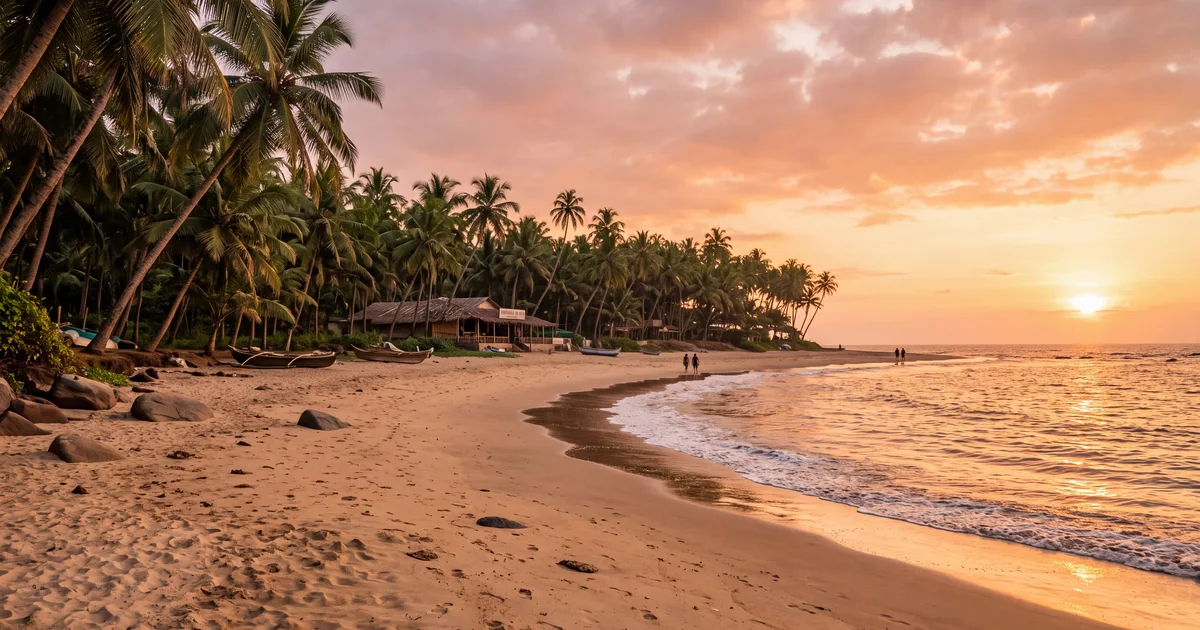
Goa has 105 kilometres of coastline and roughly 40 named beaches. Most visitors see three of them: Baga, Calangute, and maybe Anjuna. Then they leave thinking Goa is beach shacks, loud music, and overpriced seafood.
The best beaches in Goa are the ones where you can hear the water. Some of them sit 20 minutes off the main tourist corridor. Others are in South Goa, which half the visitors skip entirely because North Goa keeps them busy enough. A few require effort to reach, and that is the point.
This guide covers 14 beaches, split by North and South Goa, with honest notes on swimming safety, crowd levels, and which ones to skip. No filler descriptions. If a beach isn't worth your time, it says so.
TL;DR
- South Goa wins for clean sand, quiet mornings, and actual space to put down a towel without touching a stranger's.
- North Goa wins for nightlife, shack culture, and social energy.
- Best swimming: Palolem (calm crescent), Sinquerim (sheltered, less packed), Butterfly Beach (if you boat in).
- Skip Calangute and Baga unless crowds and constant hawking are your thing.
- Best months: November to February. Monsoon (June to September) empties the beaches but shuts down water sports.
What Are the Best Beaches in South Goa?
South Goa is where the coastline stops performing for tourists and just exists. Fewer shacks, wider sand, and a pace that North Goa lost around 2015. If you are travelling from Bangalore or Mumbai, most group trips that head south put you closer to these beaches than the North Goa strip. Check current Goa trips on TripzSearch for fixed departures that include South Goa stops.
Palolem Beach
A 1.6 km crescent fringed by palm trees, with water calm enough for swimming on most days between October and March. The south end near the rocks stays quieter even in peak December. The shacks here serve decent food without the 3x tourist markup you find at Baga.
Palolem gets crowded in the last two weeks of December and the first week of January. Outside that window, you can walk the full crescent at 7 AM and count fewer than 20 people on the sand. February is the sweet spot. Water temperature sits around 27°C. The kayak rentals at the south end cost 300 to 400 rupees per hour and let you reach Monkey Island in about 15 minutes.
One caveat: the accommodation behind Palolem fills up fast in season. Book at least 3 weeks ahead for December and January, or you end up in Chaudi town, which is a 10 minute auto ride from the beach.
Agonda Beach
Eight kilometres north of Palolem and a different world. Agonda is 2.5 km of wide sand with beach huts spaced far enough apart that you stop noticing other guests. The surf is stronger here; swimming is fine waist deep, but the drop off gets steep past 30 metres and the current pulls sideways. Lifeguards are present in season but not always attentive.
I think Agonda is the better beach for anyone who wants to read, sleep, and eat without being asked every 4 minutes if they want a tattoo or a sarong. The food at the huts (especially the ones south of the main cluster) is surprisingly good. Fish curry rice for 250 rupees. Fresh kingfish grilled to order for 350.
The road to Agonda from Margao takes about 90 minutes by car. If you are coming from North Goa, plan for 2 hours minimum. It is not a day trip unless you leave by 7 AM.
Cola Beach
A small cove with a freshwater lagoon meeting the sea, accessible by a steep 10 minute walk down a dirt path from the main road. The lagoon is warm, calm, and swimmable. The beach itself is maybe 300 metres long.
Cola is a 2 to 3 hour stop, not a full day destination. Go in the morning before the afternoon sun turns the walk back into a sweat climb. The path down is not suitable for anyone with knee problems or small children who cannot manage uneven ground. There are no shacks on the beach itself, just one resort at the far end.
Butterfly Beach
The quietest beach on this list. Reachable only by boat from Palolem (15 minutes, 200 rupees per person) or by a forest trail that takes about 45 minutes of scrambling. The beach is tiny, maybe 150 metres. No infrastructure, no vendors, no music. Just sand and rocks and clean water.
Go at low tide when the boat can land directly on the sand. At high tide the rocks make it tricky. Bring water and snacks because there is nothing to buy once you arrive.
Cabo de Rama Beach
Below the Cabo de Rama fort (which most tourists skip), this beach sits at the end of a rough road that discourages casual visitors. About 800 metres of sand between two rocky headlands. Swimming is safe in the sheltered sections, but check the conditions locally because rip currents form at the south end in monsoon season.
The combination of fort and beach makes this a solid half day trip from Palolem. Drive up to the fort, spend 30 minutes on the ramparts looking at the coastline, then drive down to the beach for a swim. Bring your own water; the nearest shop is back on the main road.
Which North Goa Beaches Are Still Worth Visiting in 2026?
North Goa gets more visitors than the South by a factor of roughly 3 to 1. That ratio shows. The beaches closest to the airport and Panjim have been built up with shacks, loud bars, and infrastructure that prioritizes volume over experience. But move north past Anjuna and the coast opens up.
Vagator and Little Vagator (Ozran)
Vagator sits below Chapora Fort and splits into Big Vagator and Little Vagator (also called Ozran). Little Vagator is the better section: smaller, backed by red laterite cliffs, with a rock formation that breaks the beach into semi private coves. You can climb up to Chapora Fort in 15 minutes for the view that ended up in every Dil Chahta Hai meme.
Big Vagator has more shacks and a flatter, more exposed stretch. It fills up by 10 AM in peak season. Ozran stays manageable even in December because the access road is narrow and the parking is limited.
The water is safe for wading but the rocks on both sides mean you should stick to the middle section for actual swimming. Not ideal for families with small children because the drop is sudden in places.
Mandrem Beach
Twenty minutes north of Anjuna by scooter and it feels like a different state. Wide, flat, clean. A shallow creek separates the road from the main beach strip, and you wade across or take a tiny bamboo bridge (5 rupees). That small barrier keeps the day trippers and taxi tours away.
Mandrem draws long stay visitors, yoga retreat guests, and people who want quiet mornings without bass speakers at 9 AM. The food at the few shacks here is good and not overpriced. Expect to pay 200 to 400 for a meal. The crowd thins out by October, and November through February is the golden window.
If you are comparing Mandrem to Ashwem (the next beach south), Mandrem is wider and calmer. Ashwem has slightly more restaurant options but also more noise. Pick one; both are better than Baga.
Sinquerim Beach
Sinquerim sits at the base of Fort Aguada and is sheltered from the open sea by the headland. The water is calmer here than at most North Goa beaches, which makes it one of the few north side options where families can swim comfortably. The Taj Fort Aguada Resort takes up the south end, but the public section of the beach is clean and accessible.
This is where Goa trips departing from Bangalore often stop because the fort and the beach combine into a single morning outing. The fort itself is a 10 minute walk from the parking area and the lighthouse views justify the climb.
Morjim Beach
Known as the olive ridley turtle nesting site (November to March), Morjim is a long stretch of flat sand with a Russian tourist colony at the south end and increasingly quieter stretches as you walk north. Swimming needs caution: the undertow is stronger than it looks, and the beach drops off fast in sections.
The charm of Morjim is the space. Even in peak season, the northern section stays sparsely occupied. There are beach shacks with surprisingly elaborate menus (continental, Russian, Indian) and day beds you can use if you order a drink.
One drawback: Morjim's shack scene has gotten pricier every year. A meal that cost 300 rupees in 2023 now runs 500+. The beach itself is free, but the infrastructure around it has shifted toward a premium crowd.
Ashwem Beach
Just south of Morjim and often grouped with it, Ashwem has a narrower strip of sand but more restaurant variety. The main draw is the cluster of upscale beach restaurants (La Plage being the most well known) that serve food several notches above typical shack fare.
Ashwem is a dining beach, not a swimming beach. The water is fine ankle deep, but the rocks and current further out make it unsuitable for anything beyond wading. Come for lunch, stay for sunset, leave after dinner. That is the ideal Ashwem day.
Which Goa Beaches Should You Skip?
Not every beach earns your limited days. Three in particular cost more time than they return.
Calangute is the most visited beach in Goa and the most disappointing for anyone who has seen a beach elsewhere. The sand is packed with bodies in season, hawkers approach every 2 to 3 minutes selling everything from sunglasses to massages, and the food at the main shacks is mediocre at best. The water has a high bather density that makes swimming feel like a pool in a theme park. Unless you want to experience crowds, skip it.
Baga sits right next to Calangute and shares the same problems with added bass. The night clubs behind Baga (Tito's and the surrounding strip) are the reason people come here, so if nightlife is your priority, it works. For anyone who wants a beach experience, it does not.
Colva in South Goa was once a quiet alternative. It is no longer quiet near the main entrance, where commercial development has turned the beachfront into a row of identical shacks. Walk 15 minutes south from the main entrance and Colva improves, but at that point you could have just driven to Benaulim, which is better.
How Do You Get Around Goa's Beaches?
The beaches in Goa are spread across 105 km of coast. You will not walk between them.
Scooter rental is the most common option and costs 300 to 500 rupees per day. You need a valid licence (Indian DL or IDP for foreign nationals). Fuel stations are frequent, but carry cash because some do not accept UPI or cards. The roads between beaches are scenic but narrow, and Goan truck drivers do not slow down for scooters.
Car rental with driver runs 2,000 to 3,500 per day depending on the vehicle and the distance. Worth it for groups of 3 or more or for the Panjim to South Goa corridor, which is 70+ km one way.
Taxi apps work in Goa but not reliably. GoaMiles is the local app; Uber and Ola have limited coverage outside Panjim and the airport area. Budget 1.5x what the app quotes because cancellations are common in peak season.
If you want to cover both North and South Goa without logistical hassle, group trips from TripzSearch handle transport between beaches as part of the itinerary. That removes the scooter vs taxi debate entirely.
What Is the Best Time to Visit Goa Beaches?
November to February is peak season for good reason. Skies are clear, humidity drops to bearable levels, water temperature holds at 27°C, and every beach shack and water sports operator is open. December and January are the busiest (and most expensive) months, but the weather is almost guaranteed.
October and March are shoulder months. Fewer tourists, lower hotel rates, and weather that is still mostly dry. October has occasional rain at the tail end of monsoon, and March starts getting hot after midday (34°C+). Both are good months if you want the beach experience without the December prices.
June to September is monsoon. Most beach shacks close, water sports shut down, and the sea turns rough with red flags on most beaches. But if you like empty coastlines, green hills, and accommodation at 30 to 50% of peak rates, monsoon Goa has its own appeal. Bring a rain jacket and expect indoor afternoons.
My take: February is the best single month. Clear weather, thinner crowds than December, prices that have dropped 20 to 30% from New Year peak, and every beach operating at full capacity. If you can only pick one week, pick the second week of February.
Planning a Goa Beach Trip from Your City
Getting to Goa is easy from most Indian metros. Direct flights land at Dabolim (GOI) from Bangalore (1h 15min), Mumbai (1h), Delhi (2h 15min), and Hyderabad (1h 30min). Manohar International Airport (GOX) at Mopa opened in 2023 and handles increasing traffic, especially from North Indian cities.
From Bangalore, the train to Madgaon (Margao) takes about 12 hours on the Vasco Express and drops you in South Goa. From Mumbai, the Konkan Railway coastal route takes 8 to 10 hours and passes through scenery worth staying awake for.
For planning the trip itself, browse Goa departures and group trips on TripzSearch to compare itineraries that cover specific beach clusters. Most operators organize North Goa and South Goa as separate day loops, which avoids the 2+ hour cross transfer that eats into beach time if you try to cover everything in one day.
Check available destinations on TripzSearch for updated operator listings and seasonal pricing.
Frequently asked questions
- Which is the number 1 beach in Goa?
- There is no single best beach because it depends on what you want. For calm water and a crescent of clean sand, Palolem in South Goa consistently ranks highest among repeat visitors. For atmosphere and easy access to shacks and nightlife, Vagator in North Goa works better. Palolem suits families and solo travellers; Vagator suits groups.
- Which Goa beach is best for swimming?
- Palolem has the calmest water because its crescent shape blocks most open sea currents. Agonda has stronger surf and a steeper drop so it needs caution. In North Goa, Sinquerim near Fort Aguada is sheltered and less crowded than Baga. Avoid Anjuna and Morjim for swimming; the undertow is unpredictable in both.
- Is South Goa better than North Goa for beaches?
- South Goa has cleaner sand, fewer hawkers, and more space between beach shacks. North Goa has nightlife, markets, and a louder social scene. First timers usually enjoy North Goa for 2 days and then wish they had spent more time in the South. Repeat visitors almost always shift south.
- What is the best time to visit Goa beaches?
- November to February is peak season with dry weather, water temperatures around 27°C, and the best swimming conditions. October and March are shoulder months with lower prices and thinner crowds. Monsoon (June to September) shuts down most beach shacks and water activities but offers empty stretches of sand and budget accommodation.
- Are Goa beaches safe for solo female travellers?
- Populated beaches in both North and South Goa are generally safe during the day. Palolem, Agonda, and Mandrem attract many solo women travellers and have a supportive hostel and guesthouse scene. Avoid isolated stretches after dark and use established taxi services or ride apps instead of accepting random lifts.
- Which beaches in Goa should I skip?
- Calangute is the most overcrowded beach in Goa with aggressive hawkers every 3 minutes. Baga right next to it has the same problem plus louder music. Colva in South Goa was once quiet but has gotten commercial and noisy near the main entrance. Your time is better spent at Palolem, Vagator, or Mandrem.