Backpacking in India (2026): Routes, Budget Tips and Where to Start
Planning to backpack India in 2026? This guide covers the best routes, cheapest regions, transport tips and where to start if it is your first time.
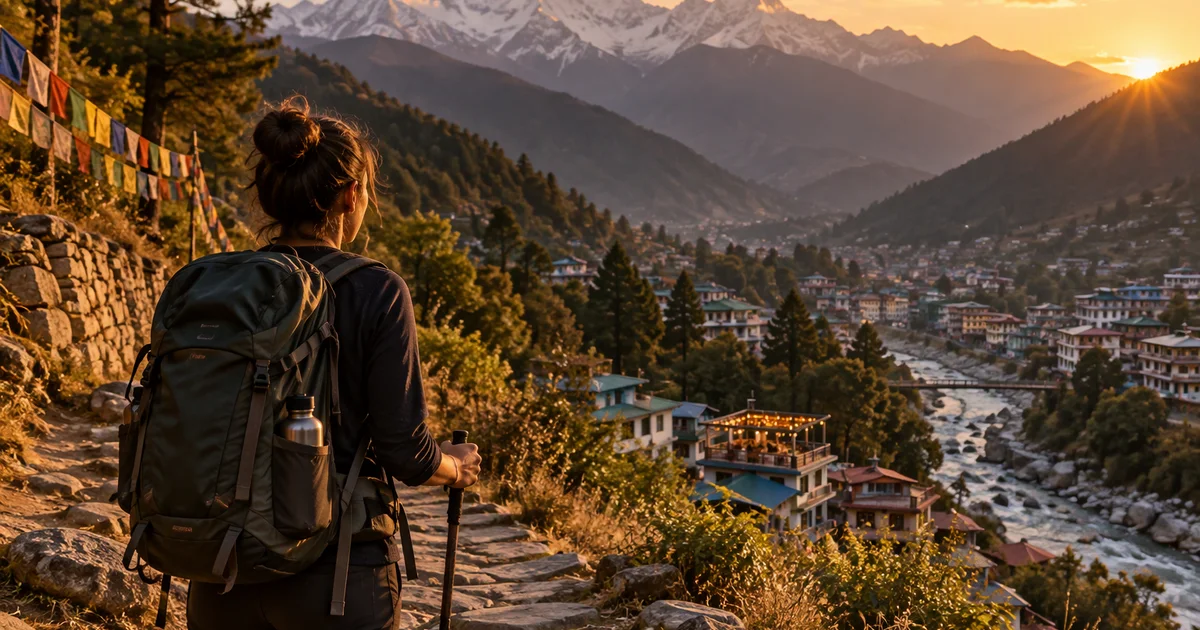
India is one of the few countries where you can go from a Himalayan valley to a tropical backwater in under 24 hours by train. The backpacking culture here is old, the infrastructure is imperfect, and the density of experience per kilometre is unlike anywhere else. If you are planning to backpack in India in 2026, the fundamentals have not changed: plan your transport early, hold your plans loosely, and let the country surprise you.
This guide covers where to start, which routes work, and what to know before you get on the first bus.
TL;DR
- Best first-timer route: Rajasthan circuit (Jaipur, Pushkar, Jodhpur, Jaisalmer) for dense sights and easy logistics
- Best Himalayan route: Delhi to Kasol to Manali, May through September
- Best south India route: Bangalore to Goa to Kerala, October through March
- Transport: Book trains on IRCTC at least 2 weeks ahead for popular routes
- For structured group trips: Check group departures from Bangalore or all trips on TripzSearch
Where Should You Start Backpacking in India?
The answer depends less on what you want to see and more on when you are going.
Rajasthan is the classic entry point for good reason. The train network between Jaipur, Ajmer (for Pushkar), Jodhpur and Jaisalmer is reliable and frequent. Each town is distinct: Jaipur has the fort architecture and bazaars, Pushkar has the lake and the ghats, Jodhpur gives you the blue-painted lanes, Jaisalmer puts you at the edge of the Thar Desert. Five towns, two weeks, one route. For first-time backpackers who want to feel productive without spending half their time in transit, this is the right starting circuit.
One caveat: Rajasthan between December and February is peak tourist season. The major forts are crowded by 10 AM. If you want any space at Amber Fort or Mehrangarh, go before 8 AM or in the last hour before closing.
Himachal Pradesh is the other standard starting point, especially for backpackers coming from Europe who have done Southeast Asia and want something less polished. The Parvati Valley, covering Kasol, Kheerganga and beyond, has a well-established backpacker circuit with guesthouses at every stop. Manali sits at the other end and connects you north toward Leh or south back to Delhi. Best visited between May and September.
Goa and Kerala make the most sense for anyone arriving in winter and wanting to ease in gently. South India is marginally more expensive than the north, but the tourism infrastructure is reliable and the pace slower. Goa to Hampi to Mysore to Kerala is a natural route that takes three to four weeks depending on how long you stay at each stop.
Best Backpacking Routes in India for 2026
The Golden Triangle (Delhi, Agra, Jaipur): This is the entry-level circuit, often dismissed by experienced travellers as too touristy. It is touristy. The Taj Mahal still makes you stop talking when you see it in person. For anyone with under two weeks, this route is efficient and the trains between all three cities run hourly.
The Himalayan Foothills Route: Delhi to Rishikesh to Kasol to Manali to Leh. This takes four to six weeks if you give each place its due. The stretch from Manali to Leh by road, through the Rohtang Pass and down into Lahaul and Spiti, is one of the more memorable overland sections in the country. The road is only open from late June to early October.
The South India Circuit: Bangalore to Hampi to Goa to Mumbai (or the reverse), with side trips to Coorg, Ooty or Munnar depending on how much time you have. Best from October through February when the coast and hills are dry and cool. Hampi is one of those places that justifies the detour no matter what else you are doing.
The Northeast: Meghalaya, Assam, Arunachal Pradesh and Nagaland are the least-visited and most underrated part of India for backpackers. The living root bridges in Meghalaya, the Kaziranga rhino park in Assam, the tribal culture in Nagaland. Infrastructure is thinner than the rest of India, but that is part of what makes it feel worth the effort. Plan for October to April. Some areas still require Protected Area Permits for foreign nationals.
The Himalayan Trek Route: For backpackers who want to do some actual trekking, the Kedarkantha and Nag Tibba routes in Uttarakhand are the most accessible from Delhi. Longer routes like the Valley of Flowers or the Pin-Bhaba trek in Himachal require more planning and an additional buffer week. Most serious trekking routes are best covered through a guided group trip given the permit requirements and altitude.
Getting Around: Trains, Buses and Everything Else
The Indian Railways network is the backbone of backpacker travel here. The IRCTC website and app let you book seats and berths in advance. Book at least two weeks ahead for Sleeper Class on popular routes, four weeks for 3AC and above during October to March. Last-minute bookings on the tatkal quota work but cost more.
For shorter distances, state buses are cheap and cover routes that trains miss. The Himachal Pradesh HRTC buses are remarkably on-time for mountain roads. Karnataka KSRTC Airavat coaches between Bangalore and Goa run overnight and are comfortable.
Overnight trains between cities save accommodation costs for one night and let you use the day at both ends. The Rajdhani and Shatabdi expresses are the fastest on major corridors. For anything else, the Superfast trains are worth the small surcharge over mail and express trains.
For getting around within cities, OLA and Uber work in every major city. Auto-rickshaws for shorter distances still need a bit of negotiation outside of metered cities.
Practical Notes for Backpackers in India
India rewards preparation on two things: transport and accommodation booking. Waiting until you arrive to book a train from Delhi to Jaipur on a Friday in December will leave you standing in a general compartment for six hours. That is not a hypothetical.
Accommodation ranges from bare-bones dormitory beds at backpacker hostels to heritage havelis and guesthouses. The backpacker hostel network has grown considerably since 2020. Cities like Jaipur, Pushkar, Kasol, Hampi and Goa have several options. Check the reviews on Hostelworld or booking.com and filter for atmosphere as much as price.
Water is a constant consideration. Avoid tap water everywhere. Carry a filter bottle or budget for sealed bottles throughout. Street food is part of the experience, and most backpackers eat it every day without issue. The rule is to eat where locals eat and where food is cooked fresh in front of you.
For structured group travel covering specific routes, browse trips on TripzSearch or check the destinations section for guides on specific regions.
What to Pack for Backpacking India
Keep the bag light. The country is hot for most of the year in most regions, which means fewer clothes, not more. A 50-litre pack is the practical maximum if you plan to use sleeper-class trains where luggage goes under the berth.
The essentials that people consistently wish they had packed: a good sleep sheet for hostel dorms, a lock for locker storage, offline maps downloaded before you leave connectivity zones, a power bank (load-shedding still happens in smaller towns), and a rain jacket for the Himalayan sections.
For longer trips with trekking components, TripzSearch lists group departures from Bangalore with operators who handle kit lists, logistics and group camping gear so you do not have to carry it independently.
FAQs
Is India good for backpacking? One of the best destinations in the world for it. The train network is vast, accommodation exists at every budget level, and the landscape and culture shift every few hundred kilometres. The adjustment curve is steeper than Southeast Asia but the depth of experience is proportionally greater.
Where should I start backpacking in India? The Rajasthan circuit for first-timers. It is well-connected, visually dense and logistically manageable. For people who have already visited India, Himachal Pradesh or the Northeast are the next logical leaps.
What is the best time to backpack in India? October to March for most of the country. For Himalayan regions, May to September. For Northeast India, October to April before monsoon arrives in May.
Is India safe for solo backpackers? Generally yes. The practical risks are petty theft at busy stations and scams near major tourist spots. Book trains in advance, use reviewed accommodation, and use apps rather than unmetered cabs. Thousands of solo travellers navigate India without incident every season.
How do I book trains in India as a backpacker? Use the IRCTC app or website. Create an account before you arrive in India if possible. Book at least two weeks ahead for popular routes in peak season. If a train is full, check the tatkal quota (opens 24 hours before departure) or look for waitlisted seats, which often clear by departure time.
Frequently asked questions
- Is India good for backpacking?
- Yes, India is one of the most rewarding backpacking destinations in the world. The train network covers nearly every corner of the country, accommodation ranges from budget dormitory beds at backpacker hostels to guesthouses and homestays, and the landscape changes dramatically every few hundred kilometres. The main adjustment for first-timers is the pace and density of everything.
- What is the cheapest region to backpack in India?
- The Himalayan foothills in Himachal Pradesh, specifically the Kasol-Kheerganga-Spiti circuit, are among the cheapest regions because the distance from large cities keeps costs low. South India's Kerala and Tamil Nadu backpacker belt is slightly more expensive but still far below what most European or Southeast Asian destinations cost.
- What is the best backpacking route in India for first-timers?
- The Rajasthan circuit, covering Jaipur, Pushkar, Jodhpur and Jaisalmer, is the standard entry route for a reason. It is well-connected by train, every town has a range of guesthouses, and the sights are dense enough to feel productive without excessive travel days. From Rajasthan, most backpackers continue to Delhi or Agra.
- Is India safe for solo backpackers?
- India is generally safe for solo backpackers. The bigger practical risks are petty theft at busy train stations, scams targeting new arrivals near major tourist spots, and traffic on roads. Travellers who book trains in advance, stay in hostels with reviews, and use apps like IRCTC and OLA for transport navigate the country safely every year.
- What is the best time to backpack in India?
- October to March is the peak season for most of India. The north is dry and cool, Rajasthan is at its best, and the beaches of Goa and Kerala are operational. For the Himalayan regions, May to September covers the accessible trekking window. Northeast India is best visited from October to April, before monsoon arrives.