Adventure Trips in India (2026): 14 Experiences That Deliver Real Adrenaline
Find the best adventure trips in India for 2026, from Rishikesh rafting to Ladakh bike rides, with real costs and group departure options.
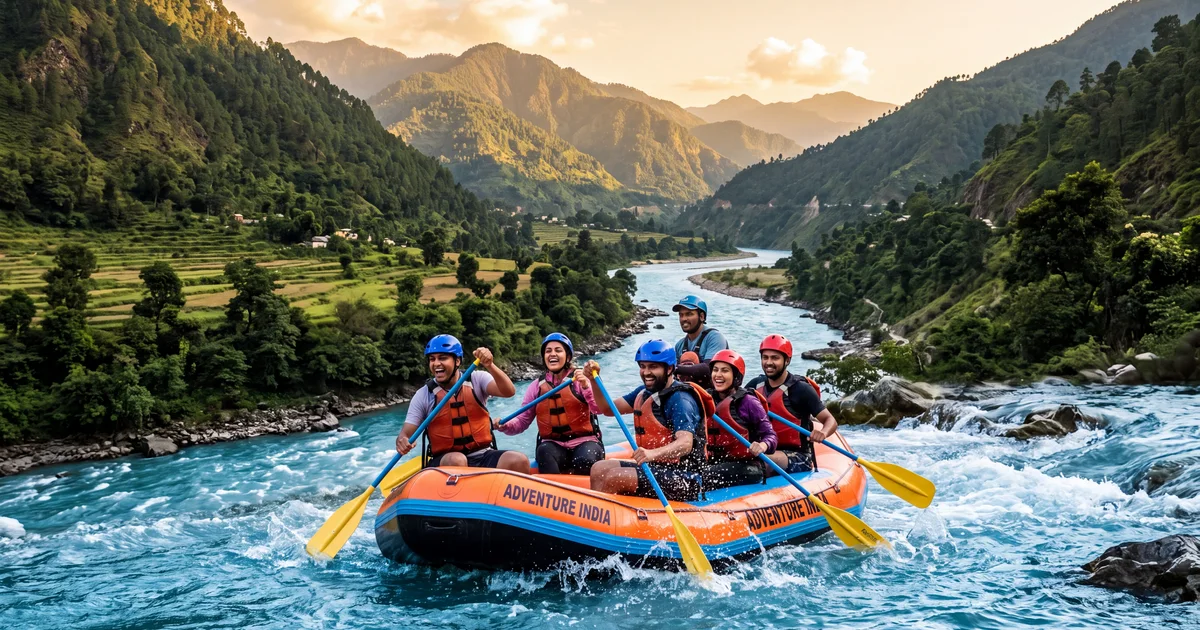
India has more adventure terrain per square kilometre than most countries people fly halfway across the world to visit. River gorges in Uttarakhand. Desert dunes in Rajasthan. Frozen rivers in Ladakh. Paragliding valleys in Himachal. Coral reefs in Andaman.
The problem is not finding adventure. The problem is filtering through the noise. Search for "adventure trips in India" and you get listicles that mention bungee jumping in Rishikesh alongside scuba diving in the Andamans as if they require the same budget, fitness level, or planning window. They do not.
This is a filtered list. Fourteen experiences across different activity types, terrains, and budgets, with real group departure options for each. Nothing padded, nothing here just because it photographs well.
TL;DR
- Rishikesh rafting remains the easiest entry point: 3,500 rupees for a weekend group trip from Delhi, no experience needed.
- Bir Billing is the paragliding capital. 2,500 to 3,500 rupees for a tandem flight with 15 to 25 minutes of air time.
- High altitude Himalayan treks (Hampta Pass, Valley of Flowers, Kedarkantha) run 8,000 to 15,000 for multi day group departures.
- The Chadar frozen river trek in Ladakh is the most extreme option on this list: January to February only, below minus 20°C at night.
- Monsoon (July to September) is prime time for Sahyadri treks and Meghalaya canyoning, not a dead season.
What Counts as an Adventure Trip in India?
For this list, three criteria. The activity involves physical effort or a skill component (not just sightseeing from a jeep). Established operators run regular group departures so you do not need to organise everything from scratch. And the experience has a real safety infrastructure, meaning certified guides, proper gear, and a track record.
That rules out some things people call "adventure" but are closer to tourism with a view. Zip lines at resorts. Guided nature walks sold as "jungle treks." ATV rides on hotel grounds. Those are fine for what they are. They are not adventure trips.
One thing worth knowing: the Indian Adventure Tour Operators Association (ATOAI) certifies operators for specific activities. When comparing operators on TripzSearch, look for ones that mention ATOAI or state tourism department certifications. It is not mandatory, but it separates serious outfits from seasonal pop ups.
Which Rafting Trips in India Are Worth the Money?
Rishikesh is the obvious answer, but it is not the only one.
Rishikesh, Uttarakhand. The 16 km Shivpuri to Rishikesh stretch has Grade III to IV rapids and takes 3 to 4 hours on the water. Group trips from Delhi cost 3,500 to 6,000 per person including transport and one night camping. Best months: September to November and February to May. The monsoon shuts everything from mid June to mid September.
Kolad, Maharashtra. The Kundalika river, 120 km from Mumbai, runs controlled rapids when the dam releases water (July to February). It is a calmer experience than Rishikesh, more like Grade II. Good for families and mixed fitness groups. Weekend packages from Mumbai or Pune run 1,500 to 3,000 per person.
Teesta River, Sikkim. Less commercial than Rishikesh, with Grade III to IV rapids through forested gorges. The Teesta runs raftable stretches between Makha and the Rangit confluence, roughly 35 km. Access is from Gangtok (2 hours) or Darjeeling. March to May and October to November are the windows.
The caveat with rafting anywhere in India: always confirm that the operator provides a safety kayaker per raft, not just a guide in the raft. That one detail separates the serious operators from the rest.
Where Should You Go Paragliding in India?
Bir Billing in Himachal Pradesh is not just the best site in India. It hosted the Paragliding World Cup in 2015 and the launch site at Billing (2,400 metres) gives you 15 to 25 minutes of air time on a tandem flight, longer than most commercial sites worldwide.
A tandem flight costs 2,500 to 3,500 rupees. No experience required. You sit in a harness while a certified pilot handles everything. The landing site at Bir is 800 metres below the launch, and on a clear October morning you can see the Dhauladhar range the entire way down.
Best months: March to May and September to November. Monsoon grounds all flights. Winter (December to February) has shorter flying windows because of early afternoon thermals dying out.
Kamshet near Pune is the south of India alternative, about 100 km from Mumbai on the Mumbai Pune Expressway. Flights are shorter (8 to 12 minutes) and the scenery is Sahyadri hills instead of Himalayas, but the accessibility from Mumbai makes it a practical weekend option. Costs run 2,000 to 3,000.
My take: if you have the time, go to Bir. The extra 5 to 10 minutes in the air and the Himalayan backdrop make it a fundamentally different experience from Kamshet. Kamshet is convenient. Bir is memorable.
Are Himalayan Treks Accessible for Non Athletes?
Yes, if you pick the right one.
The trekking industry in India has grown enormously in the last decade, and operators now grade treks by difficulty with specific fitness benchmarks. You do not need to be a runner or a gym regular. You need to be able to walk 8 to 12 km a day on uneven terrain for 4 to 6 hours carrying a daypack.
Kedarkantha, Uttarakhand. 6 day trek, maximum altitude 3,800 metres. The trail passes through oak and pine forests with a summit push on day 4 that gives you 360 degree Himalayan views. December to March is peak season when the trail has snow. Group departures cost 8,000 to 12,000 per person from Dehradun. Browse Himalayan group treks for options with fixed dates.
Hampta Pass, Himachal Pradesh. 5 day trek crossing from the green Kullu Valley to the barren Lahaul side at 4,270 metres. The landscape shift on summit day is one of the most dramatic in Indian trekking. Best months: June to September. Budget 9,000 to 14,000 for a fully supported group.
Valley of Flowers, Uttarakhand. A UNESCO World Heritage site that opens from late July to early September during monsoon bloom. The trek itself is moderate (3,658 metres at the valley floor), and the 17 km round trip from Ghangaria can be done in a single day. But most groups combine it with Hemkund Sahib, adding 2 days.
The honest truth about altitude: no amount of gym fitness predicts how your body handles 3,500+ metres. Some marathon runners get altitude sickness at 3,000 metres while couch potatoes walk through fine. The best insurance is choosing an operator that builds proper acclimatisation days into the itinerary. Avoid anyone who promises to "rush" you to the summit.
What About Adventure Trips in South India?
South India gets overlooked for adventure because people associate it with temples and backwaters. That is only half the picture.
Dudhsagar Waterfall Trek, Goa. One of India's tallest waterfalls at 310 metres, accessible by a 10 km trek along disused railway tracks through the Bhagwan Mahavir Wildlife Sanctuary. Open October to January (the falls run dry by March). Jeep safaris from Mollem are the lazy option, but the trek is the real experience. Budget 1,500 to 3,000 for a guided group trek from Panjim.
Kudremukh Trek, Karnataka. The horse face peak at 1,894 metres sits inside a national park with rolling shola grasslands that turn emerald in monsoon. The 22 km round trip from the base village of Mullodi takes a full day. July to September is prime season. Weekend groups from Bangalore cost 2,500 to 4,000.
Scuba Diving, Pondicherry. The Temple Reef and Aravind's Wall dive sites off Pondicherry have 8 to 15 metre visibility and coral formations with reef sharks and rays. A PADI discover scuba experience (no certification needed) costs 4,000 to 6,000 for one open water dive. Certified divers pay 2,500 to 3,500 per dive. Best months: October to March.
Varkala Cliff Kayaking, Kerala. Paddling along the base of the Varkala cliffs from the sea, looking up at 30 metre laterite walls, is unlike any other kayaking experience in India. Sessions run 2 to 3 hours and cost 1,500 to 2,500. October to March when the sea is calm enough.
The Western Ghats from Goa down to Kerala are packed with monsoon adventure options that most "adventure trip" articles ignore because they are not Himalayan. Between June and September, the Sahyadris turn into a green wall of waterfalls, river crossings, and mist filled trails accessible from Mumbai, Pune, and Bangalore.
Is a Ladakh Bike Trip Still Worth It in 2026?
It is, but know what you are signing up for.
The classic Manali to Leh route (490 km, 2 to 3 days of riding) crosses Atal Tunnel, Sissu, Jispa, Sarchu, Pang, and Tanglang La at 5,328 metres. In 2026, road conditions through Rohtang and beyond have improved significantly after the tunnel opened, but the stretch from Sarchu to Pang is still unpaved gravel with river crossings.
Group bike trips with a backup vehicle, mechanic, and oxygen support cost 18,000 to 30,000 for the Manali to Leh stretch (5 to 7 days). Self riders on rented Royal Enfields spend less on the ride itself (bike rental is 1,200 to 1,800 per day) but carry the risk of breakdowns on sections with no mobile network.
Best months: June to September. October is possible but Baralacha La and Tanglang La get early snow.
The extreme version: the Chadar Trek on the frozen Zanskar River in January and February. You walk on ice for 7 to 9 days in temperatures that drop below minus 25°C at night. It is the hardest commercially operated trek in India. Costs run 25,000 to 40,000 for a fully supported group.
One thing people underestimate about Ladakh: altitude. Leh sits at 3,500 metres. Khardung La tops 5,359. If you fly into Leh, you need at least 2 days of acclimatisation doing nothing before any physical activity. Riders coming overland from Manali acclimatise gradually, which is one practical advantage of the road route beyond the scenery.
How Do You Plan an Adventure Trip Without Overpaying?
Three things separate a well priced trip from a rip off.
First, compare full prices, not "starting from" figures. An operator quoting 2,999 for Rishikesh but charging separately for the raft, meals, and bonfire will cost you 5,000. An operator quoting 5,500 all inclusive is the cheaper option. On TripzSearch, listings show the complete price and what is covered.
Second, check the group size cap. A trek group of 8 with two guides is a different experience from a group of 30 with two guides. Ask before booking.
Third, seasonal pricing matters. Rishikesh in October costs 30 to 40 percent more than February. Bir Billing in October is peak season. Kedarkantha in January has more operators competing, which pushes prices down. Timing your trip to the shoulder of peak season saves money without compromising the experience.
For solo travellers, fixed departure group trips are the most cost effective way to do adventure in India. You pay per person, share logistics costs, and travel with a ready made group. Browse adventure trips from Delhi or from Bangalore to see what is departing in the next few weeks.
Which Adventure Trips Work as Weekend Getaways?
Not everything on this list needs annual leave.
From Delhi: Rishikesh rafting (Friday night to Sunday evening), Bir Billing paragliding (Saturday morning flight, back by Sunday if you skip the trek to Billing), and Triund trek (overnight Saturday, back Sunday afternoon).
From Bangalore: Kudremukh trek (Saturday dawn start, camp overnight, return Sunday), Dudhsagar from Goa (fly Friday evening, trek Saturday, return Sunday), and Kolad rafting (drive Friday night from Pune or Mumbai side, raft Saturday).
From Mumbai and Pune: Kolad rafting (Saturday day trip possible), Harishchandragad trek via Khireshwar (Saturday dawn, return Sunday morning), and Rajmachi fort trek from Lonavala (overnight Saturday).
The pattern: any adventure trip within 6 to 8 hours of driving distance from a metro city can work as a weekend trip if you leave Friday night. Anything farther needs at least one day of leave.
What Gear Do You Need to Bring?
For most commercially operated adventure trips in India, you need less than you think.
Rafting operators provide the raft, paddle, life jacket, and helmet. Paragliding operators provide the harness and all equipment. Trek operators on multi day trips provide tents, sleeping bags, and meals.
What you bring: layered clothing appropriate for the altitude and season, a sturdy pair of trekking shoes (not sports shoes, not sandals), a headlamp, sunscreen, a refillable water bottle, and any personal medications.
For Himalayan treks above 3,000 metres between October and March: a proper down jacket, thermal base layers, and insulated gloves. Do not rely on "buying at the base camp." Manali and Rishikesh market gear is cheap but unreliable at altitude.
For water sports: quick dry clothing, waterproof phone pouch, and a change of clothes in a dry bag. That is it.
The one thing nobody tells you: break in your trekking shoes at least 2 weeks before the trip. Blisters at 3,500 metres with 3 days of walking left are miserable. Walk 5 km a day in them around your neighbourhood. That alone prevents most foot problems on the trail.
Frequently asked questions
- What are the best adventure trips in India for beginners?
- Rishikesh rafting on the 9 km Brahmapuri stretch, Bir Billing tandem paragliding, and the Triund trek from McLeodganj are all beginner friendly. None of these require prior fitness or technical training. Group operators handle all gear and logistics, so you just need to show up.
- How much do adventure trips in India cost?
- A weekend rafting and camping trip in Rishikesh starts around 3,500 rupees per person with transport from Delhi. Paragliding in Bir costs 2,500 to 3,500 for a tandem flight. Multi day treks like Hampta Pass or Valley of Flowers range from 8,000 to 15,000 depending on the operator and group size.
- Is India safe for solo adventure travellers?
- Popular adventure destinations like Rishikesh, Manali, and Bir Billing have well established tourism infrastructure with certified operators and regular group departures. Joining a fixed departure group trip is the safest option for solo travellers because you get pre vetted guides and travel with a set group of people.
- What is the best time for adventure trips in India?
- October to March works best for Rajasthan desert safaris, Himalayan treks below the snow line, and south Indian water sports. April to June is prime time for high altitude treks in Himachal and Uttarakhand. September to November is the sweet spot for Rishikesh rafting. Monsoon (July and August) is peak season for Sahyadri treks near Pune and Mumbai.
- Can couples join group adventure trips in India?
- Yes. Most fixed departure adventure trips accept couples and mix them with other travellers. Operators like those listed on TripzSearch show group size caps and departure dates upfront, so you know whether it is a 6 person trek or a 25 person bus trip before you book.
- Which adventure trips in south India are worth it?
- Dudhsagar waterfall trek in Goa, scuba diving in Pondicherry, Kudremukh trek in Karnataka, and Varkala cliff kayaking in Kerala are the standouts. The Western Ghats between June and September turn into a green corridor with dozens of monsoon treks accessible from Bangalore, Pune, and Mumbai.